English
 Français

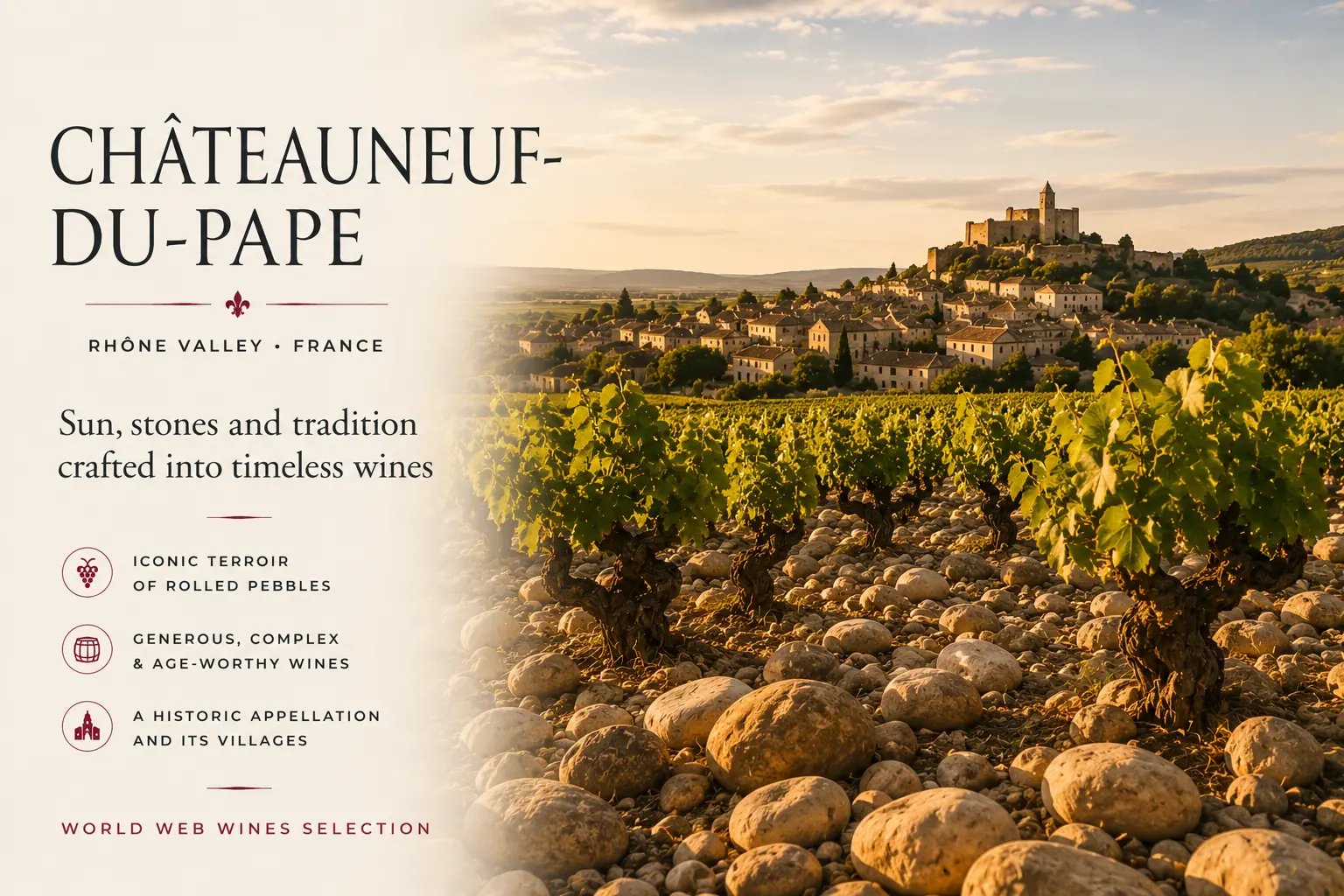 Châteauneuf-du-Pape • Southern Rhône Valley • Grenache • Galets roulés • Freshness • Ageing
Châteauneuf-du-Pape: southern power, renewed freshness and great wines for ageing
An emblematic cru of the Southern Rhône Valley, Châteauneuf-du-Pape has long been associated with powerful, rich and sun-filled red wines. That generosity remains part of its identity, but the best estates now seek greater freshness, balance, precision and drinkability.
Dominated by Grenache, often complemented by Syrah, Mourvèdre, Cinsault and other traditional grape varieties, the appellation offers a wide range of styles: ample and spicy cuvées, finer and more elegant expressions, and age-worthy bottles capable of developing beautifully in the cellar.
Châteauneuf-du-Pape is not a single style. The appellation can produce sunny, generous and profound wines, but also fresher, finer and more graceful expressions. The greatest bottles bring together Mediterranean richness, balance, aromatic complexity and remarkable ageing potential.
A sun-filled terroir with a wide range of styles
The vineyard is built on a mosaic of soils: galets roulés, sand, clay, limestone and safres, depending on the sector. This diversity explains the stylistic differences between estates. The famous rounded stones can produce ample and structured wines, while sandier or limestone-based soils often favour more delicate, aromatic and elegant expressions.
Classic style: Grenache, ripe fruit, garrigue, spice, breadth and southern warmth.
Fresher style: measured extraction, finer tannins, balance, precision and better-integrated alcohol.
Age-worthy style: old vines, great estates, balanced vintages and terroirs capable of producing profound wines.
Grenache, blends and Mediterranean balance
Grenache remains the central grape variety in many red Châteauneuf-du-Pape wines. It brings flesh, fruit, roundness and notes of garrigue. Syrah can add colour, pepper and freshness, while Mourvèdre contributes structure, depth and ageing potential. The rarer white wines can offer texture, floral notes, breadth and a refined expression at the table.
Which Châteauneuf-du-Pape should you choose?
Choose a dense, sun-filled and structured cuvée, led by Grenache, Syrah or Mourvèdre.
Look for estates focused on freshness, balance, fine tannins and measured extraction.
A great estate, old vines, a balanced vintage, serious provenance or a large format.
Châteauneuf-du-Pape is no longer only the symbol of powerful, sun-filled red wines from the Southern Rhône. The best estates now seek greater freshness, precision and balance. For immediate pleasure, choose supple and fruit-driven cuvées; for ageing, look for great estates, old vines, mature vintages or wines from recognised terroirs.
For which occasion?
Châteauneuf-du-Pape is an excellent choice for a dinner built around roast meat, lamb, slow-cooked dishes, Mediterranean cuisine or mature cheeses. Mature vintages, great estates and magnums are also beautiful choices for a gift, an anniversary or a collector’s cellar.
Drink now or keep?
Young Châteauneuf-du-Pape wines can be appealing for their fruit, generosity and immediate charm. The best vintages, especially from renowned estates, gain complexity after several years in the cellar, developing notes of garrigue, fine leather, spice, black fruit, undergrowth, truffle and smoke.
Young: ripe fruit, spice, garrigue, roundness, power and immediate pleasure.
At maturity: fine leather, truffle, undergrowth, dried herbs, preserved black fruit and depth.
Service: serve around 16 to 18 °C, with earlier opening for young and structured cuvées.
Food pairings with Châteauneuf-du-Pape
The aromatic depth of Châteauneuf-du-Pape naturally suits flavourful cuisine: roast lamb, rib of beef, duck, game, slow-cooked dishes, confit vegetables, Provençal herbs, truffle and mature cheeses. More elegant cuvées can also pair beautifully with refined Mediterranean dishes without overpowering the food.
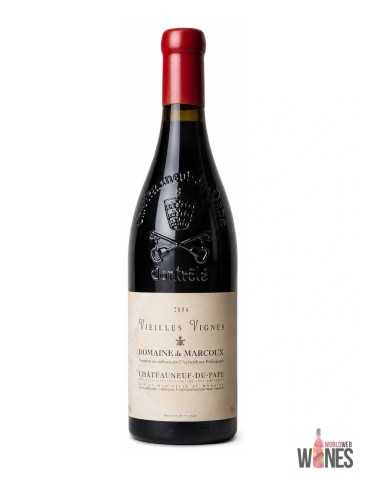
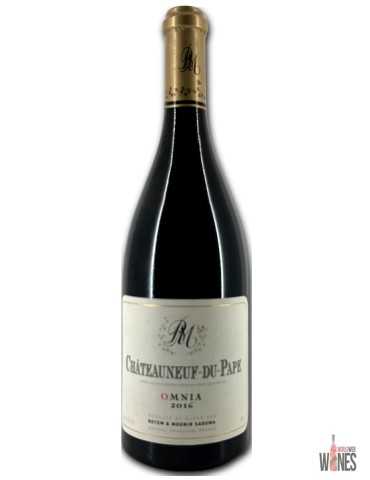
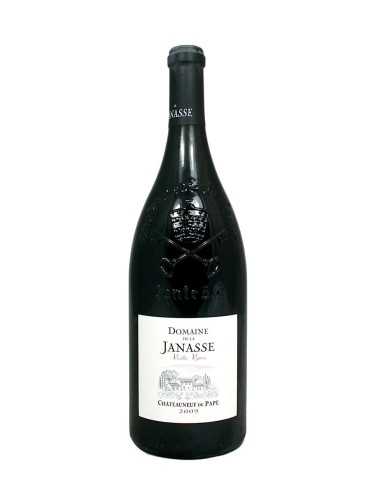
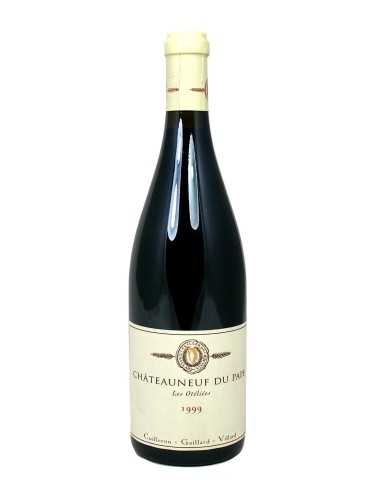
World Web Wines offers a selection of Châteauneuf-du-Pape wines available online with delivery in Switzerland. Our selection brings together renowned estates, mature vintages, large formats and bottles chosen for their provenance, balance, authenticity and genuine drinking interest.