English
 Français
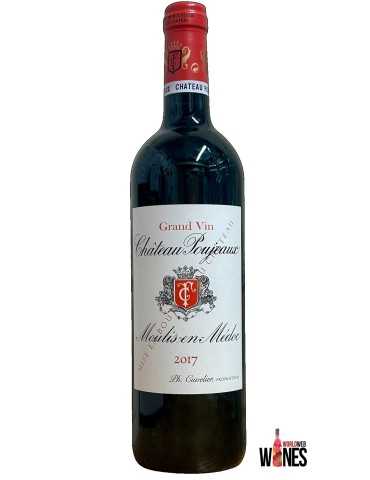
28.00 CHF

France • Bordeaux • Médoc • Moulis-en-Médoc • Cabernet Sauvignon • Merlot
Moulis-en-Médoc: charm, structure and balance in the heart of the Médoc
Located in the heart of the Médoc peninsula, between Margaux and Listrac-Médoc, the Moulis-en-Médoc appellation holds a discreet yet distinctive place among the great wines of the Left Bank of Bordeaux. More confidential than Pauillac, Margaux or Saint-Julien, it produces only red wines, often appreciated for their balance between fruit, suppleness and Médoc structure.
With around 600 hectares of vines, Moulis-en-Médoc is one of the smallest communal appellations in the Médoc. Its style is shaped by a mosaic of gravel, clay, limestone and sand, producing wines that are charming, structured and capable of graceful evolution, without the austerity sometimes associated with the more powerful appellations of the northern Médoc.
The spirit of Moulis-en-Médoc
Moulis-en-Médoc embodies a more intimate and approachable expression of the Médoc. Its wines combine the charm of Merlot, the structure of Cabernet Sauvignon and genuine terroir depth. They often become enjoyable earlier than neighbouring classified growths, while retaining good ageing potential in the best vintages.
A terroir of gravel, clay and limestone
The terroir of Moulis-en-Médoc is based on a succession of gravel rises, clay-limestone plots and sandier areas. Gravel supports drainage and Cabernet Sauvignon ripeness, while clay and limestone bring density, freshness and roundness. This diversity explains the range of styles found within the appellation.
Merlot: roundness, flesh, ripe fruit, suppleness and accessibility.
Cabernet Sauvignon: structure, freshness, blackcurrant, cedar and ageing potential.
Cabernet Franc and Petit Verdot: aromatic finesse, tension, colour and spicy notes depending on the blend.
The style of Moulis-en-Médoc wines
Moulis-en-Médoc red wines are defined by a balanced Médoc expression, often softer and more immediately appealing than some neighbouring appellations. They evoke blackcurrant, blackberry, plum, cedar, sweet spices and sometimes a touch of tobacco. With age, the best vintages gain complexity, showing fine leather, undergrowth, truffle and melted dark fruit.
Young: blackcurrant, plum, blackberry, sweet spices, supple tannins and generous fruit.
At maturity: tobacco, fine leather, undergrowth, truffle, cedar and a more polished texture.
Signature: a charming Médoc wine, structured yet approachable, combining suppleness, fruit and character.
Emblematic estates and major names
Moulis-en-Médoc has no classified growths in the 1855 Classification, yet the appellation includes several historic estates whose reputation extends well beyond its borders. These properties have helped establish Moulis as one of the most interesting and consistent appellations in the Médoc.
Major names: Château Chasse-Spleen, Château Poujeaux and Château Maucaillou.
Other recognised estates: Château Brillette, Château Mauvesin Barton and Château Dutruch Grand Poujeaux.
Identity: wines that are often less demonstrative than neighbouring classified growths, yet capable of fine elegance after a few years in bottle.
Which Moulis-en-Médoc should you choose?
For a gift
Chasse-Spleen, Poujeaux, Maucaillou or a well-preserved mature vintage.
For the table
A mature Moulis with roast lamb, duck breast, red meat, mushrooms or slow-cooked dishes.
For ageing
A recognised estate, great vintage, serious provenance or a bottle with a structured profile.
The World Web Wines advice
Moulis-en-Médoc is an excellent choice for discovering a Bordeaux with character without turning to the most powerful or prestigious Médoc appellations. For drinking, favour mature vintages that reveal suppleness, melted fruit and tertiary notes. For ageing, choose the leading estates of the appellation in structured, well-preserved vintages.
Moulis-en-Médoc vintages: ready to drink or to keep?
Moulis-en-Médoc often offers a more accessible drinking window than the most tannic Médoc appellations. The best estates can nevertheless age very well, especially in great vintages. The right time to open a bottle depends on the château, the vintage, the format and the quality of storage.
Ready to drink now: 1982, 1985, 1986, 1989, 1990, 1995, 1996, 2000, 2001, 2003 and 2005, depending on the estate and storage quality. These vintages often show notes of cedar, tobacco, fine leather, undergrowth, light truffle and melted dark fruit.
Drink or keep: 2008, 2009, 2010, 2012, 2014 and 2015. Some wines are beginning to offer beautiful harmony, while the most structured estates can continue to evolve in the cellar.
To keep: 2016, 2018, 2019, 2020 and 2022. These recent vintages remain young for the best Moulis-en-Médoc cuvées and will often gain complexity after a few more years in bottle.
Food pairings with Moulis-en-Médoc
Thanks to their balance between fruit, structure and suppleness, Moulis-en-Médoc wines pair well with roast lamb, duck breast, grilled red meats, roast poultry, slow-cooked dishes, wild mushrooms and mature cheeses. More evolved vintages are particularly suited to classic cuisine with reduced jus and earthy flavours.
Buy Moulis-en-Médoc wines online
World Web Wines offers a selection of Moulis-en-Médoc wines available online with delivery in Switzerland. Our range brings together recognised estates, mature vintages, ready-to-drink bottles and wines selected for their provenance, balance, Médoc charm and genuine drinking interest.
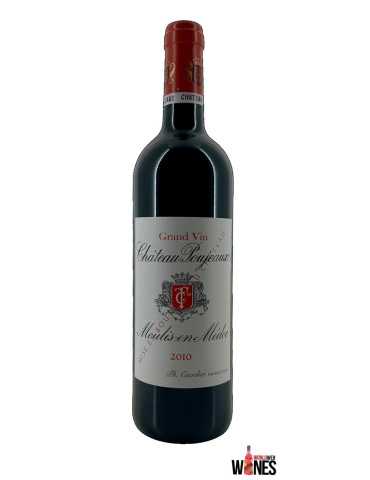
39.00 CHF
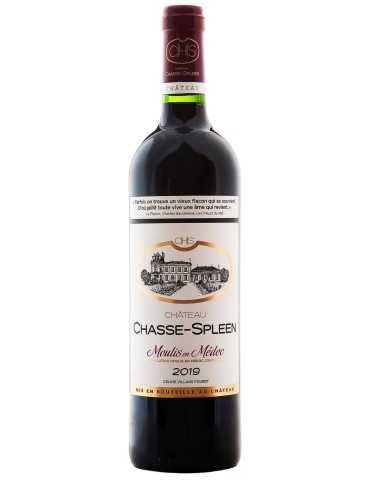
32.00 CHF