English
 Français

Saint-Émilion: great Right Bank wines, Merlot and limestone terroirs
Located on the Right Bank of Bordeaux, Saint-Émilion holds a major place in the history of great French wines. Its medieval village, vineyard slopes and UNESCO-listed Jurisdiction make it one of the most emblematic wine landscapes in Bordeaux.
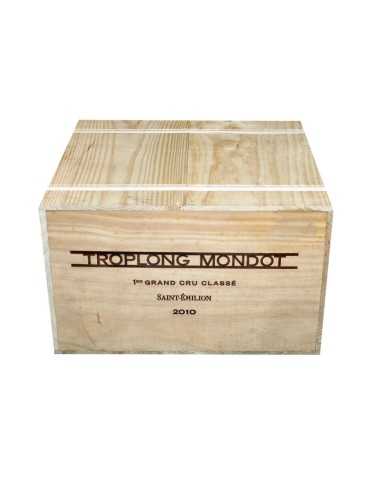
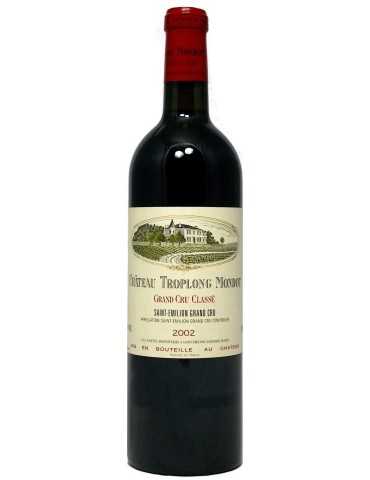
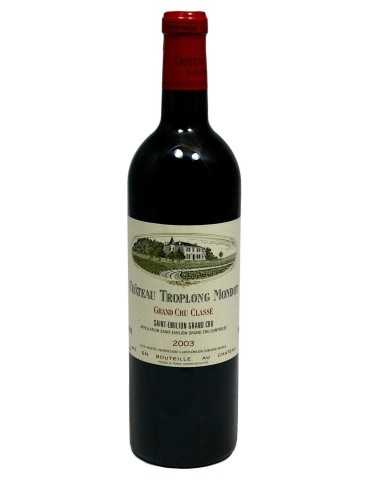
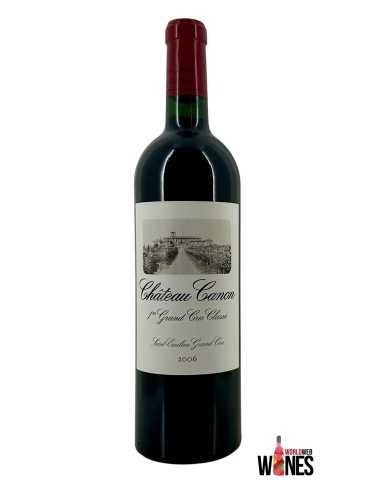
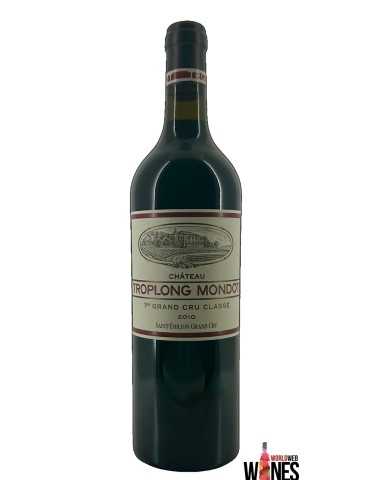
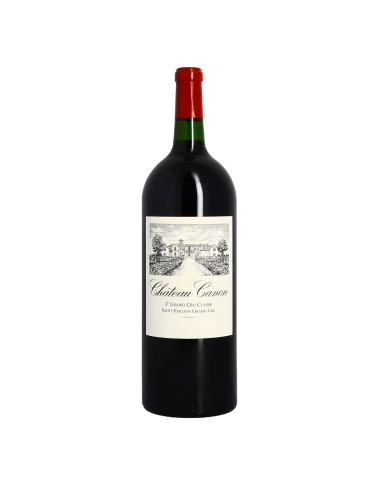
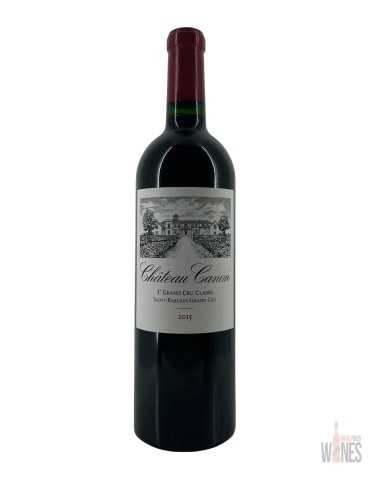
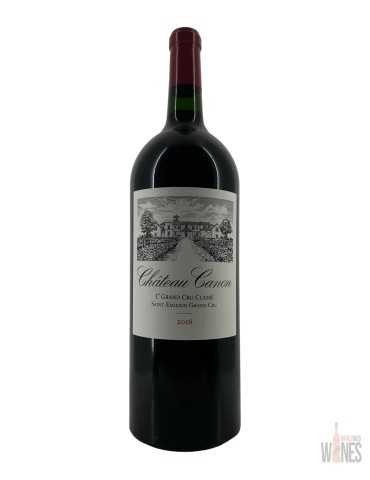
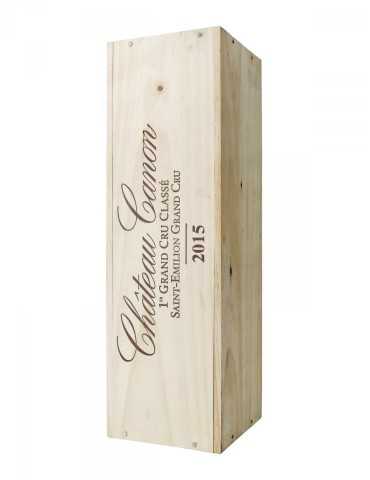
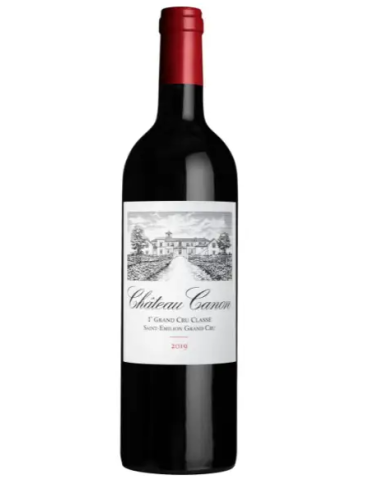
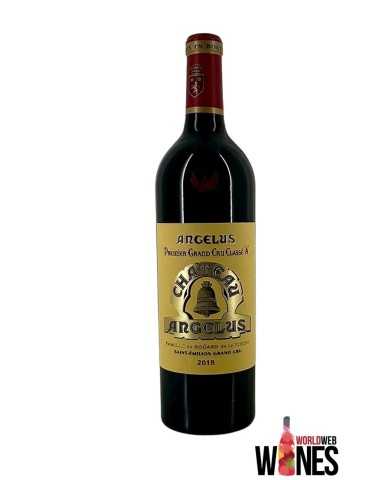
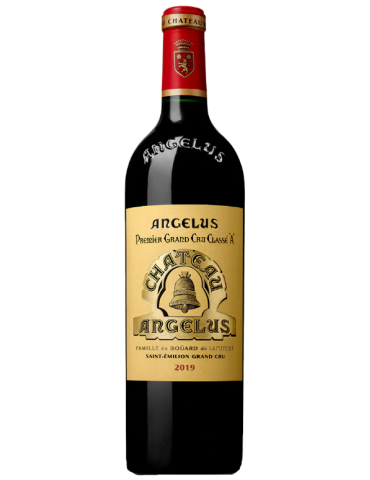
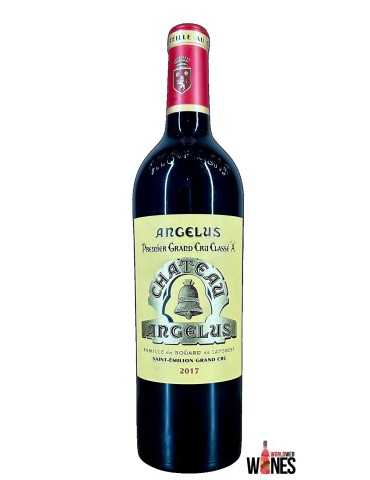
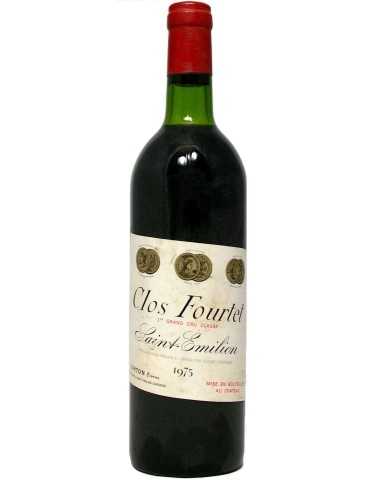
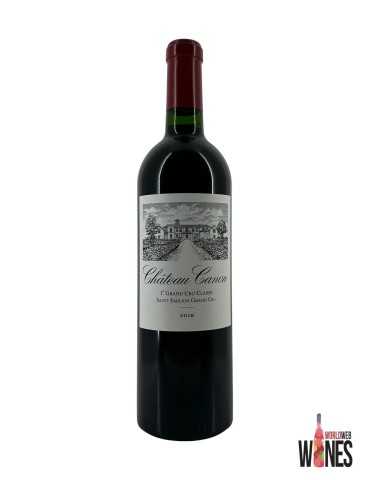
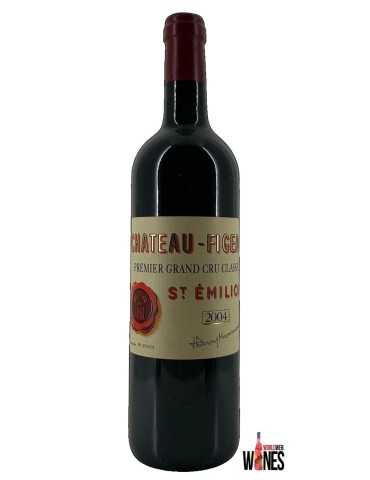
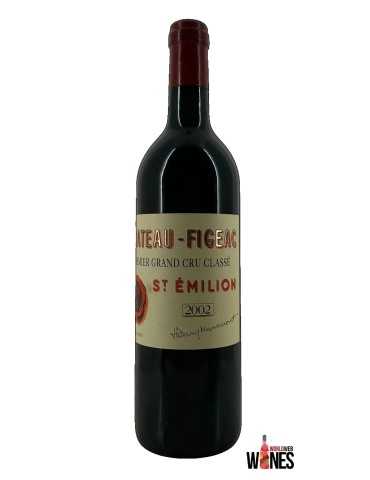
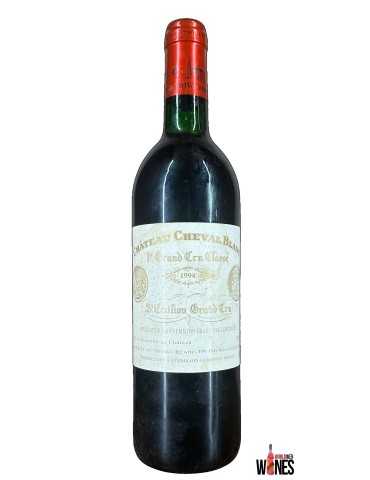
Estates such as Château Cheval Blanc, Château Angélus, Château Pavie, Figeac, Canon, Clos Fourtet and Troplong Mondot each express a different interpretation of Merlot, Cabernet Franc and the great limestone terroirs of the Right Bank.
Saint-Émilion embodies a deep, textured and refined expression of Bordeaux. The flesh of Merlot meets the freshness of Cabernet Franc, while limestone terroirs bring precision, tension and ageing capacity.
Limestone terroirs, slopes and plateaus
Saint-Émilion is defined by a wide diversity of soils: limestone plateau, clay-limestone slopes, lower slopes, gravel and sand depending on the sector. This mosaic produces very different wines, from lifted finesse to denser, more structured expressions.
Limestone plateau: freshness, tension, finesse, length and strong ageing potential.
Clay-limestone slopes: depth, density, texture and balanced power.
Gravel and sand: more immediate fruit, suppleness, charm and accessibility depending on the estate.
Merlot, Cabernet Franc and Right Bank blends
Merlot dominates the appellation, bringing roundness, ripe fruit, volume and velvety texture. Cabernet Franc plays an essential role in the great estates, adding freshness, length, floral complexity and precision. Cabernet Sauvignon, more minor, can reinforce structure in certain blends.
Merlot: flesh, dark fruit, plum, roundness, velvet texture and depth.
Cabernet Franc: freshness, length, floral notes, graphite, finesse and complexity.
Cabernet Sauvignon: complementary structure, tension and ageing potential.
The style of Saint-Émilion wines
Saint-Émilion wines are recognised for their balance between flesh, freshness and depth. Young wines show black cherry, plum, blackberry, violet, sweet spice and sometimes a chalky touch. With age, the finest bottles develop truffle, blond tobacco, fine leather, undergrowth and softened dark fruit.
Young: dark fruit, plum, cherry, violet, spice, velvety texture and freshness.
At maturity: truffle, blond tobacco, fine leather, undergrowth, softened dark fruit and silkier texture.
Signature: a deep, textured and refined Right Bank Bordeaux, between fruit charm and limestone precision.
Châteaux, classification and great signatures
The Saint-Émilion classification distinguishes Premiers Grands Crus Classés and Grands Crus Classés, with a hierarchy revised regularly. In the 2022 classification, Château Figeac and Château Pavie hold the A distinction. Cheval Blanc, Angélus and Ausone retain major international prestige independently of this hierarchy.
Cheval Blanc: a singular Saint-Émilion signature, famous for the role of Cabernet Franc and the exceptional elegance of its wines.
Figeac, Pavie, Angélus and Ausone: major Right Bank names, combining finesse, power, depth and longevity.
Canon, Clos Fourtet, Troplong Mondot and La Gaffelière: sought-after estates known for consistency, precision and terroir expression.
Which Saint-Émilion should you choose?
A great château, Premier Grand Cru Classé, mature vintage or iconic Right Bank signature.
A mature Saint-Émilion with beef, lamb, duck, mushrooms, truffle or aged cheeses.
A grand cru, limestone terroir, structured vintage or large format with serious provenance.
Saint-Émilion is an excellent choice for lovers of deep, velvety and expressive Bordeaux wines. For immediate drinking, favour mature vintages or more supple styles. For the cellar, choose great limestone terroirs, consistent estates and bottles with clearly controlled provenance.
Saint-Émilion vintages: drink or keep?
Great Saint-Émilion wines can evolve for several decades, especially when they come from limestone or clay-limestone terroirs and consistent estates. The drinking window depends on the château, vintage, format, wine style and storage conditions.
Drink now: 1961, 1964, 1982, 1985, 1989, 1990, 1995, 1998, 2000, 2001 and 2003, depending on estate, level and storage.
Drink or keep: 2005, 2008, 2009, 2010, 2012, 2014 and 2015, with fine bottles already entering a balanced phase.
Keep: 2016, 2018, 2019, 2020 and 2022, still young for great Saint-Émilion wines.
Food pairings with Saint-Émilion
Thanks to their velvety texture, aromatic depth and balance between fruit, structure and freshness, Saint-Émilion wines naturally pair with red meats, roasted lamb, duck breast, noble poultry, mushrooms, truffle dishes, reduced jus and aged cheeses.
World Web Wines offers a selection of Saint-Émilion wines available online with delivery in Switzerland: grands crus, iconic châteaux, mature vintages, ready-to-drink bottles, cellar-worthy wines and selections chosen for their provenance, maturity, balance and genuine tasting interest.