English
 Français
140.00 CHF

France • Bordeaux • Médoc • Saint-Estèphe • Cabernet Sauvignon • Great wines for ageing
Saint-Estèphe: Médoc power, northern freshness and great wines for ageing
Located in the northern Médoc, on the Left Bank of Bordeaux, Saint-Estèphe holds a distinctive place among the great wines of Bordeaux. More northerly than Pauillac, it produces deep, structured and naturally fresh red wines, built for slow evolution.
The appellation is led by two major Deuxièmes Crus Classés: Château Montrose and Château Cos d’Estournel. Montrose embodies the classical, deep and mineral rigour of Saint-Estèphe, while Cos d’Estournel offers a more velvety, spicy and singular expression.
The spirit of Saint-Estèphe
Saint-Estèphe expresses a deep, firm and patient side of the Médoc. Its wines combine tannic density, natural freshness, earthy character and remarkable ageing potential. They can seem austere in youth, but gain harmony, complexity and nobility with time.
A northern terroir with a strong character
The terroir of Saint-Estèphe is built on a mosaic of gravel, clay, limestone and sand. Gravel ensures drainage and ripeness, while clay brings density, freshness and tannic power. This combination explains the often more structured, profound and earthy style of the appellation’s wines.
Cabernet Sauvignon: structure, blackcurrant, cedar, graphite, freshness and great longevity.
Merlot: flesh, roundness, ripe fruit and density on clay-rich soils.
Cabernet Franc and Petit Verdot: aromatic finesse, tension, colour and spicy notes depending on the blend.
The style of Saint-Estèphe wines
Saint-Estèphe red wines are defined by tannic structure, aromatic depth and natural freshness. They often evoke blackcurrant, blackberry, cedar, graphite, spice, tobacco and sometimes a smoky or saline touch. With age, they develop notes of fine leather, undergrowth, truffle and damp earth.
Young: black fruit, graphite, cedar, firm tannins, freshness and power.
At maturity: fine leather, tobacco, truffle, undergrowth, smoky notes and a more polished texture.
Signature: Médoc depth marked by freshness, structure and slow evolution.
Châteaux, classified growths and major names
Saint-Estèphe counts five classified growths in the 1855 Classification. The appellation has no Premier Grand Cru Classé, but it is home to two major Deuxièmes Crus Classés, Montrose and Cos d’Estournel, as well as historic estates such as Calon-Ségur, Lafon-Rochet and Cos Labory.
Deuxièmes Crus Classés: Château Montrose and Château Cos d’Estournel.
Other classified growths: Château Calon-Ségur, Château Lafon-Rochet and Château Cos Labory.
Identity: a northern, structured and profound appellation, particularly serious in great vintages.
Which Saint-Estèphe should you choose?
For a gift
Montrose, Cos d’Estournel, Calon-Ségur or a recognised mature vintage.
For the table
A mature Saint-Estèphe with beef, roast lamb, game, slow-cooked dishes or wine-based sauces.
For ageing
A classified growth, structured vintage, serious provenance or large format to keep in the cellar.
The World Web Wines advice
Saint-Estèphe is an excellent choice for lovers of deep, fresh Bordeaux wines built to age. For drinking, favour mature vintages that reveal fine leather, tobacco, truffle and undergrowth. For ageing, choose Montrose, Cos d’Estournel, Calon-Ségur or classified growths from structured, well-preserved vintages.
Saint-Estèphe vintages: ready to drink or to keep?
Saint-Estèphe wines evolve slowly. Their structure, natural freshness and tannic density often allow them to age for several decades, especially from great estates such as Montrose, Cos d’Estournel or Calon-Ségur. The right time to open a bottle depends on the château, the vintage, the format and the quality of storage.
Ready to drink now: 1961, 1982, 1985, 1986, 1989, 1990, 1995, 1996 and 2003, depending on the estate and storage quality. These vintages often show evolved notes of fine leather, tobacco, truffle, undergrowth, cedar and graphite.
Drink or keep: 2000, 2005, 2009 and 2014. Bottles from top châteaux may continue to evolve, while some more accessible estates are now beginning to offer beautiful drinking pleasure.
To keep: 2010, 2016, 2018, 2019, 2020 and 2022. These vintages are still young for the classified growths of Saint-Estèphe and often deserve further cellaring to gain harmony, complexity and depth.
Food pairings with Saint-Estèphe
Thanks to their structure and freshness, Saint-Estèphe wines pair beautifully with deep, savoury cuisine: rib of beef, entrecôte, roast lamb, slow-cooked shoulder of lamb, venison, duck, slow-cooked dishes, wine-based sauces, wild mushrooms, truffle and mature cheeses. Older vintages allow more subtle pairings around reduced jus and melting textures.
Buy Saint-Estèphe wines online
World Web Wines offers a selection of Saint-Estèphe wines available online with delivery in Switzerland. Our range brings together classified growths, emblematic Médoc estates, mature vintages, large formats and bottles selected for their provenance, freshness, balance and genuine drinking interest.
216.00 CHF
140.00 CHF
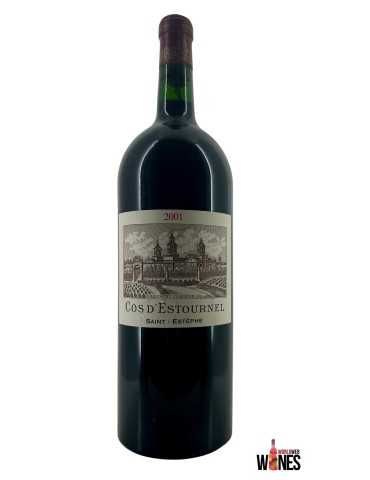
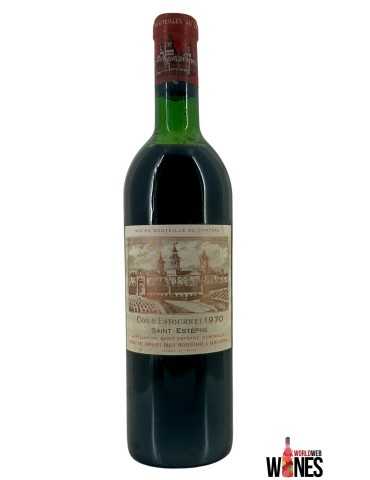
140.00 CHF
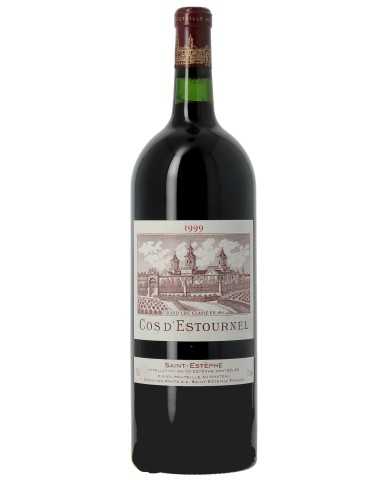
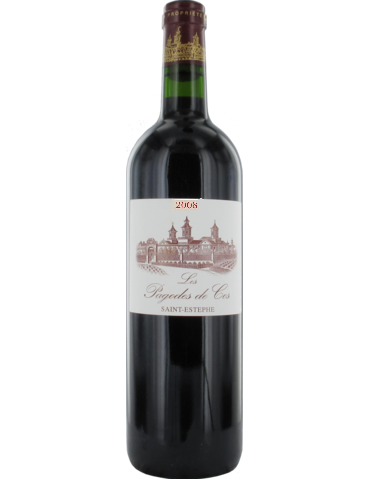
64.00 CHF
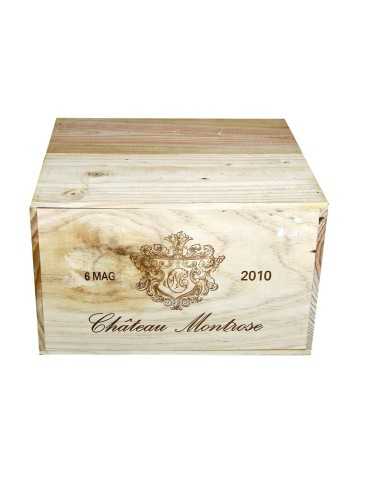
2,852.00 CHF
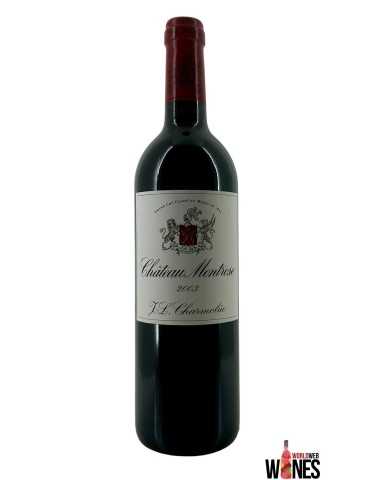
189.00 CHF
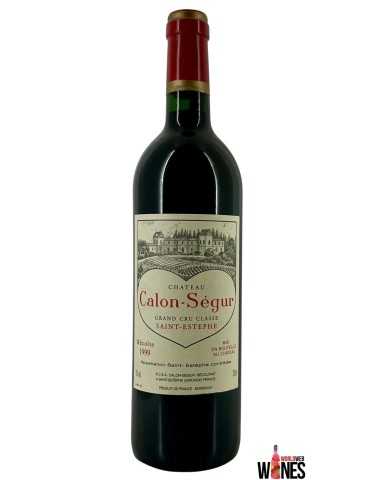
97.00 CHF
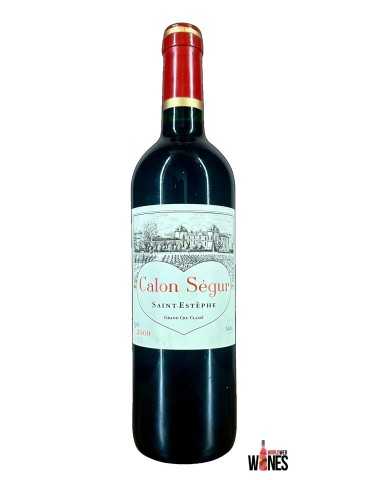
135.00 CHF
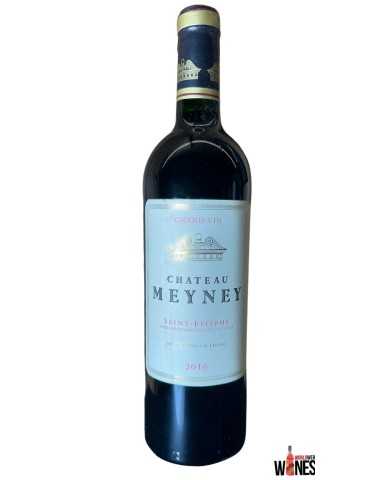
36.00 CHF