English
 Français
281.00 CHF

Bordeaux • Right Bank • Merlot • Saint-Émilion • Pomerol • Fronsac
Bordeaux Right Bank wines, great Merlot wines and prestigious appellations
The Bordeaux Right Bank mainly refers to the vineyards located around Saint-Émilion, Pomerol, Lalande-de-Pomerol and Fronsac, on the right bank of the Dordogne.
Driven by Merlot, complemented by Cabernet Franc and sometimes Cabernet Sauvignon, this part of Bordeaux produces deep, velvety and generous wines with excellent potential to evolve in the cellar.
The spirit of the Right Bank
The Right Bank embodies a rounder, deeper and more sensual expression of Bordeaux. Its wines stand out for their velvety texture, ripe fruit, aromatic complexity and ability to combine immediate charm with depth.
Saint-Émilion, Pomerol and the great Right Bank appellations
The Right Bank brings together several major appellations, each with its own identity. Saint-Émilion is shaped by limestone and clay-limestone slopes, while Pomerol expresses rare depth on clay and gravel terroirs.
More confidential, Lalande-de-Pomerol, Fronsac, Canon-Fronsac and the satellite appellations of Saint-Émilion offer characterful wines, often more accessible, while remaining faithful to the velvety and deep spirit of the Right Bank.
Saint-Émilion: a historic appellation with limestone slopes, producing powerful, refined and complex wines shaped by Merlot and Cabernet Franc.
Pomerol: a rare and prestigious appellation, known for deep, velvety and intense wines with a noble texture.
Lalande-de-Pomerol: more accessible than Pomerol, it offers charming, supple and expressive wines, often marked by ripe fruit and roundness.
Fronsac: a historic terroir producing structured, sincere and deep wines with strong potential to evolve.
Saint-Émilion satellites: Montagne-Saint-Émilion, Puisseguin-Saint-Émilion, Lussac-Saint-Émilion and Saint-Georges-Saint-Émilion complete the Right Bank with generous, balanced and often highly interesting wines.
Choose according to your needs
For the table: velvety Merlot, elegant Cabernet Franc and Bordeaux wines suited to meats, slow-cooked dishes, mushrooms and mature cheeses.
For gifting: Saint-Émilion, Pomerol, great châteaux and immediately recognisable bottles.
For discovery: Lalande-de-Pomerol, Fronsac, Canon-Fronsac and the satellite appellations of Saint-Émilion, often more accessible than the most famous names.
Merlot, Cabernet Franc and wine style
On the Right Bank, Merlot largely dominates the blends. It brings roundness, flesh, ripe fruit, velvety texture and generosity. It expresses itself particularly well on clay and clay-limestone soils, where it develops density and depth.
Merlot: roundness, flesh, silky texture, aromas of plum, black cherry, blackberry and ripe fruit.
Cabernet Franc: freshness, tension, floral notes, violet, fine spices, length and aromatic complexity.
Cabernet Sauvignon: structure, depth and tannic support, used more discreetly depending on the estate.
Right Bank terroirs
The greatness of the Right Bank lies in the diversity of its soils. Deep clays allow Merlot to ripen slowly, with density and balance. The asteriated limestone of Saint-Émilion and Fronsac brings tension, freshness and verticality.
In Pomerol, gravel mixed with clay gives rise to wines of remarkable depth. In Saint-Émilion, limestone plateaus and clay-limestone slopes create more architectural wines, driven by the freshness of Cabernet Franc and the flesh of Merlot.
Tasting profile of Right Bank wines
Right Bank red wines are often round, generous and velvety. Their aromatic expression evokes black cherry, plum, blackberry, violet, sweet spices and sometimes a hint of cocoa.
With age, the finest wines develop notes of truffle, leather, undergrowth, tobacco, cedar and dark chocolate. The most accessible cuvées can be enjoyed relatively young, while the great wines of Saint-Émilion and Pomerol show remarkable ability to evolve.
Food pairings
Thanks to their supple texture, aromatic depth and velvety tannins, Right Bank wines pair well with generous, refined and flavourful cuisine.
Red meats: rib of beef, entrecôte, beef fillet, duck breast.
Slow-cooked dishes: braised beef, veal cheek, confit lamb, civet and dishes in sauce.
Mushrooms and truffle: porcini risotto, poultry with morels, truffle-based dishes.
Cheeses: mature hard or semi-hard cheeses, tomme, Comté, aged Gouda.
Buy Bordeaux Right Bank wines online
A selection available with delivery in Switzerland
World Web Wines offers a selection of Bordeaux Right Bank wines available online with delivery in Switzerland. The selection brings together Saint-Émilion, Pomerol, Lalande-de-Pomerol and other cuvées chosen for their provenance, style and genuine interest.
Exploring this selection means discovering one of the deepest and most sensual expressions of Bordeaux, combining ripe fruit, velvety texture, great clay-limestone terroirs and strong ability to evolve.
Our promise: a clear, demanding and coherent selection designed to discover the great terroirs of the Right Bank, accompany a fine table or offer a characterful Bordeaux wine.
223.00 CHF 248.00 CHF
410.00 CHF
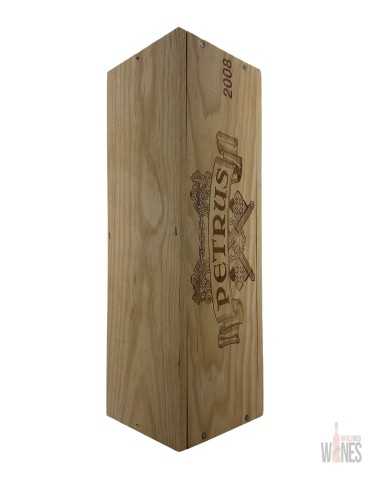
3,010.00 CHF
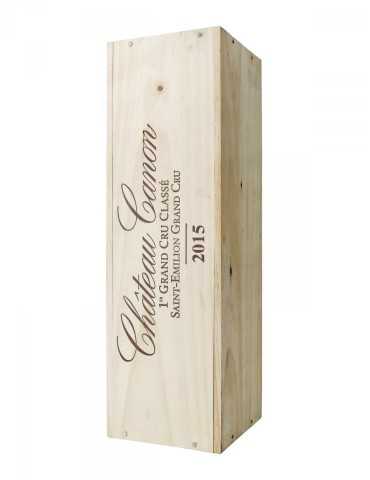
643.00 CHF
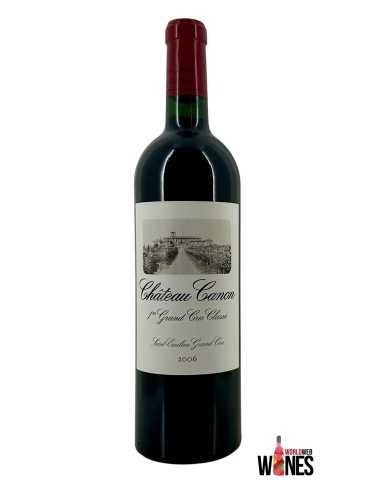
97.00 CHF
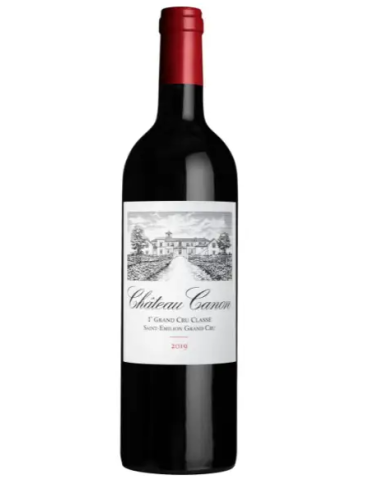
140.00 CHF
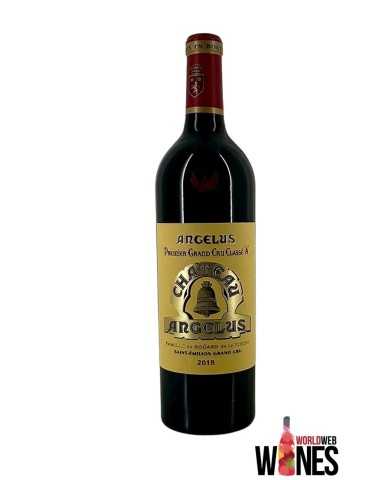
335.00 CHF
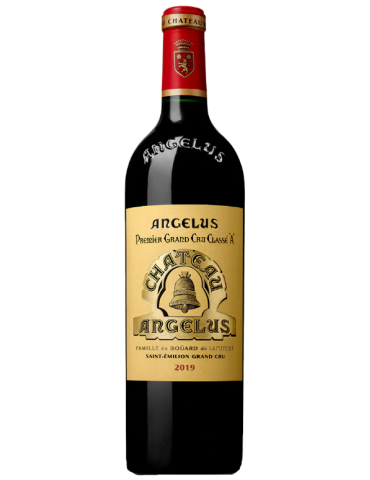
356.00 CHF
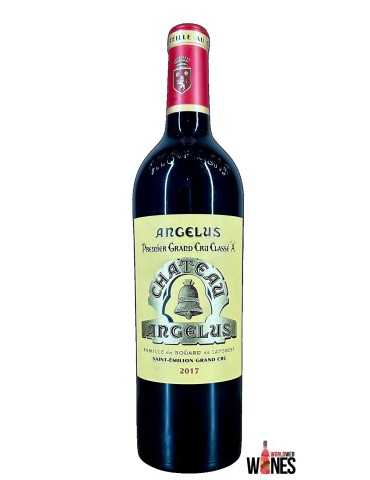
313.00 CHF