English
 Français

Wines of Provence, Mediterranean elegance and great southern terroirs
Provence is one of the oldest wine regions in France. Between the Mediterranean, limestone hills, garrigue, mistral and southern light, it offers a distinctive expression of French wine: precise and luminous rosés, saline and aromatic whites, as well as deep reds, particularly from the great terroirs of Bandol.
Buying a wine from Provence is not simply choosing a summer wine. It means discovering a region capable of producing bottles for immediate pleasure, but also gastronomic cuvées and genuine age-worthy wines. Terroir-driven rosés, white wines from Cassis, red Bandol, wines from Les Baux-de-Provence or Palette: Provence reveals a far deeper diversity than its most familiar image might suggest.
Provence is a region of light, but also of nuance. Its finest wines combine Mediterranean ripeness, freshness, aromatic finesse and terroir identity. Behind the apparent freshness of its rosés, some wines can be truly gastronomic; behind the power of its reds lies real ageing potential.
A Mediterranean terroir shaped by sea, wind and relief
The Provençal vineyard stretches between the Mediterranean coast, limestone massifs, inland hills and cooler interior zones. The soils vary greatly from one sector to another: limestone, schist, marl, sandstone, clay, gravel and poor stony soils all contribute to very different profiles across the appellations.
The Mediterranean climate brings sunshine, ripeness and aromatic intensity. The mistral plays an essential role by keeping the vines healthy and helping preserve the purity of the grapes. Terroirs close to the sea often produce saline, luminous wines, while inland areas bring more structure, spice and depth.
The style of Provence wines
Provence is known worldwide for its rosés, but its identity is not limited to this colour. Rosés can be fresh, delicate and fruit-driven, but also structured and gastronomic. Reds, especially from Bandol, offer deep, spicy and structured profiles, capable of ageing gracefully when estate, vintage and provenance are aligned. Whites, more confidential, seduce with their freshness, salinity and ability to pair with Mediterranean cuisine.
Provence rosés: citrus, peach, fresh red berries, flowers, Mediterranean herbs, a fresh palate and an elegant finish.
Provence reds: black fruit, garrigue, spices, leather, liquorice, present tannins and fine depth, especially in Bandol.
Provence whites: citrus, white flowers, saline notes, white-fleshed fruit, freshness and sometimes a fuller texture.
Age-worthy cuvées: certain reds from Bandol, Palette or Les Baux-de-Provence can evolve beautifully and gain complexity over time.
Emblematic grape varieties of Provence
Provence relies on many Mediterranean grape varieties. Blends are essential, helping build balance between fruit, freshness, structure, spice, volume and finesse. Mourvèdre plays a central role in the great red wines of Bandol, while Grenache, Cinsault, Syrah, Rolle and Clairette contribute to the region’s diversity of styles.
Grenache: ripe fruit, roundness, notes of strawberry, cherry, sweet spices and Mediterranean warmth.
Cinsault: finesse, freshness, delicate fruit and a key role in elegant rosés.
Mourvèdre: the central grape of Bandol, bringing depth, tannins, spice, dark notes and ageing potential.
Syrah and Tibouren: colour, pepper, black fruit, floral expression or a more delicate Provençal character depending on the blend.
Rolle, Clairette, Marsanne and Roussanne: freshness, white flowers, citrus, texture and salinity in Mediterranean whites.
Major appellations of Provence
Provence brings together several appellations with distinct identities. Some cover broad areas, while others are more confidential, yet all contribute to the richness of the region. From the elegant rosés of Côtes de Provence to the age-worthy reds of Bandol, each origin offers a different reading of the Mediterranean climate.
Côtes de Provence: fresh, elegant and aromatic rosés, as well as terroir-driven red and white cuvées.
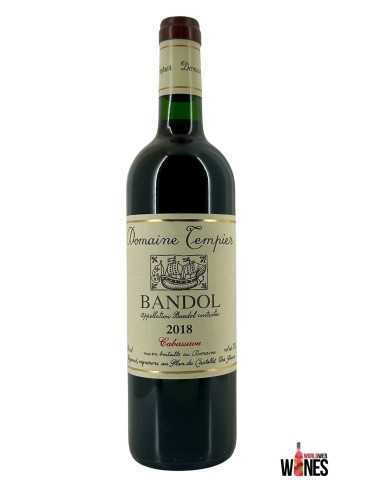
Bandol: a great appellation for age-worthy Mourvèdre-based reds, also producing gastronomic rosés and characterful whites.
Cassis: a historic small appellation, renowned for dry, saline and aromatic whites, ideal with fish and seafood.
Palette and Bellet: confidential appellations producing red, white and rosé wines with strong personality.
Les Baux-de-Provence and Coteaux Varois: characterful wines, often marked by garrigue, freshness and the relief of the Provençal hinterland.
For an elegant rosé: choose a fresh, precise cuvée from Côtes de Provence, Coteaux Varois or a more confidential terroir.
For an age-worthy red: look for a Mourvèdre-dominant Bandol from a serious estate and a balanced vintage.
For a Mediterranean white: choose Cassis, Palette or a cuvée based on Rolle, Clairette or Marsanne, combining freshness and salinity.
For a characterful meal: opt for a structured red or a gastronomic rosé able to pair with Provençal cuisine, fish, grilled meats and herb-driven dishes.
Food pairings with Provence wines
Provence wines are naturally linked to Mediterranean cuisine. Their freshness, fruit, herbal notes and sunny balance pair beautifully with fish, shellfish, grilled vegetables, roasted meats, olive-based dishes, cheeses and summer cooking.
Provence rosés: salade niçoise, ratatouille, grilled vegetables, fish, seafood, white meats and tapas.
Provence reds: roast lamb, grilled meats, Provençal daube, braised beef, game, herb-driven dishes and mature cheeses.
Provence whites: grilled fish, shellfish, crustaceans, herb risotto, fresh goat cheese, pesto pasta and seafood dishes.
When to open a wine from Provence?
Provence rosés and whites are generally enjoyed young, in order to preserve their freshness, aromatic brightness and balance. More gastronomic cuvées may, however, gain texture after a short period of ageing, especially when they come from great terroirs.
Reds from Bandol, Palette or Les Baux-de-Provence may require several years of cellaring. Mourvèdre-dominant cuvées often gain complexity over time, developing notes of leather, garrigue, spices, undergrowth and evolved black fruit.
A selection available with delivery in Switzerland
World Web Wines offers a selection of Provence wines available online with delivery in Switzerland. The selection brings together bottles chosen for their provenance, authenticity, balance, freshness and genuine tasting interest.
Exploring Provence means discovering one of the great Mediterranean faces of French wine: precise rosés, saline whites, age-worthy reds, and cuvées from Bandol, Cassis, Palette or Côtes de Provence capable of accompanying both the table and special tasting moments.
Our standard: a clear and demanding selection of Provence wines, designed to help you find an elegant, luminous Mediterranean wine suited to characterful meals and moments of sharing.