English
 Français
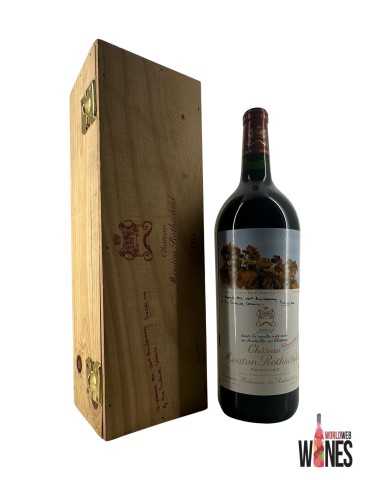
518.00 CHF
France • Bordeaux • Médoc • Pauillac • First Growths
Pauillac, great Médoc wines and legendary First Growths
Located on the Bordeaux Left Bank, beside the Gironde estuary, the Pauillac appellation holds a central place in the history of the great wines of the Médoc. It brings together some of the most prestigious terroirs in Bordeaux and produces deep, structured red wines sought after throughout the world.
Pauillac is especially famous for its three First Growths: Château Mouton Rothschild, Château Lafite Rothschild and Château Latour. These estates embody the power, precision and longevity that define the greatest red wines of Bordeaux.
The spirit of Pauillac
Pauillac embodies one of the most classic and majestic expressions of the Médoc: wines dominated by Cabernet Sauvignon, shaped by deep gravel soils, with precise tannic structure, great freshness and remarkable ability to evolve.
A major Left Bank terroir
The terroir of Pauillac is based on deep gravel ridges made up of pebbles, gravel and sand. These well-draining soils store heat and encourage the slow, regular ripening of Cabernet Sauvignon.
This combination gives rise to straight, deep and long-lined wines capable of combining power, freshness, aromatic precision and longevity. Pauillac is therefore one of the most accomplished models of great Médoc wine.
The great châteaux of Pauillac
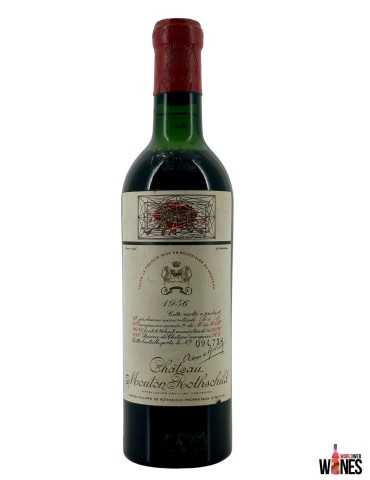
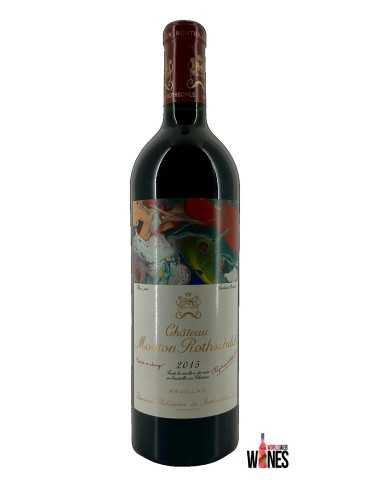
Château Mouton Rothschild: a First Growth and legendary Pauillac estate, known for its power, aromatic richness, ample style and iconic artist-designed labels.
Château Lafite Rothschild: a First Growth sought after for its refinement, precision, aristocratic elegance and ability to evolve with great finesse.
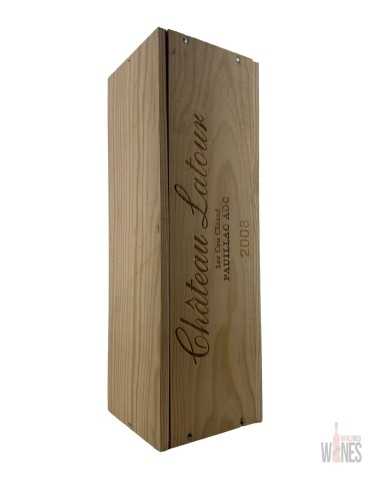
Château Latour: an emblematic First Growth, renowned for profound, powerful, structured wines with exceptional longevity.
Choose according to your needs
For gifting: Mouton Rothschild, Lafite Rothschild and Latour are immediately recognisable names, ideal for a rare gift or major occasion.
For the table: Pauillac wines pair beautifully with great cuts of beef, roast lamb, truffle-based dishes, game and long-reduced sauces.
For collecting: great Pauillac vintages appeal to collectors for their depth, structure and ability to evolve over decades.
Cabernet Sauvignon, Merlot and the Médoc blend
Pauillac is based mainly on Cabernet Sauvignon, a grape variety that finds an ideal environment in deep gravel soils. It brings structure, freshness, blackcurrant, cedar, graphite and ageing potential.
Cabernet Sauvignon: the dominant grape variety, giving the wines their structure, tension, depth and longevity.
Merlot: softens the blend, bringing flesh, roundness and ripe fruit.
Cabernet Franc: contributes aromatic finesse, freshness and elegance.
Petit Verdot: used in measured proportions, it reinforces colour, tension and spicy notes.
The style of Pauillac wines
Pauillac red wines stand out for an immediately identifiable personality: firm tannic structure, depth, freshness and great precision. Their aromatic expression often evokes blackcurrant, graphite, cedar, blond tobacco, fine spices and black fruit.
In their youth, great Pauillac wines can be powerful, tight and highly structured. Over time, they gain complexity and develop notes of truffle, fine leather, cigar box, undergrowth and noble wood.
A unique concentration of classified growths
Pauillac holds an exceptional place in the 1855 Classification. The appellation counts eighteen classified growths, including three First Growths: Mouton Rothschild, Lafite Rothschild and Latour.
First Growths: Château Mouton Rothschild, Château Lafite Rothschild and Château Latour.
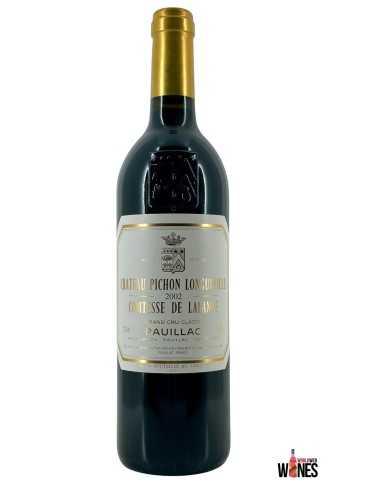
Second Growths: Château Pichon Baron and Château Pichon Longueville Comtesse de Lalande.
Other major names: Château Pontet-Canet, Château Lynch-Bages, Château Duhart-Milon, Château Batailley, Château Clerc Milon and Château d’Armailhac.
Identity: a rare concentration of historic estates, gravel terroirs and red wines built for depth and longevity.
Remarkable vintages
Great Pauillac vintages stand out for their intensity, structure and ability to evolve over many years. The most accomplished years produce deep, long-lined and complex wines after several decades of ageing.
Sought-after recent vintages: 2022, 2020, 2019, 2018, 2016, 2010, 2009, 2005.
Classic vintages: 2000, 1996, 1995, 1990, 1986, 1982, 1970, 1961, 1959.
Evolution: from a dense, tight structure towards tertiary complexity marked by cedar, leather, truffle, tobacco and sweet spices.
Food pairings with Pauillac
Thanks to their structure and intensity, Pauillac wines pair ideally with deep, noble and flavourful dishes. Older vintages allow more subtle pairings around mushrooms, truffle and reduced jus.
Red meats: rib of beef, entrecôte, beef fillet, dry-aged beef.
Lamb and game: roasted rack of lamb, confit shoulder, venison, pigeon or game birds.
Truffle cuisine: dishes with wild mushrooms, reduced jus, noble poultry and truffle-based preparations.
Cheeses: mature hard or semi-hard cheeses, Comté, aged Gouda or mature tomme.
Buy Pauillac wines online
A selection available with delivery in Switzerland
World Web Wines offers a selection of Pauillac wines available online with delivery in Switzerland. It brings together First Growths, major Médoc estates, sought-after vintages and bottles chosen for their provenance and genuine interest.
Exploring our selection means discovering one of the noblest expressions of Bordeaux, between Cabernet Sauvignon, gravel soils, great châteaux and Médoc longevity.
Our promise: a clear and demanding selection of Pauillac, designed to discover the great châteaux of the appellation, offer an iconic bottle or enrich a cellar with the finest red wines of the Médoc.
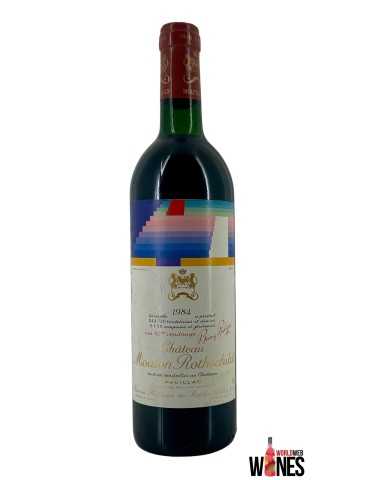
324.00 CHF
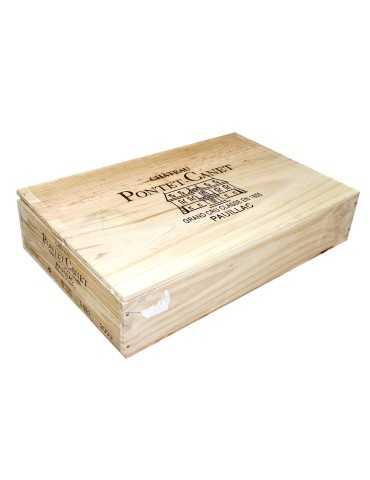
1,293.00 CHF 1,362.00 CHF
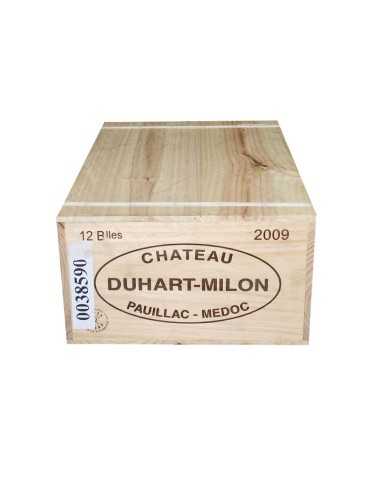
1,297.00 CHF
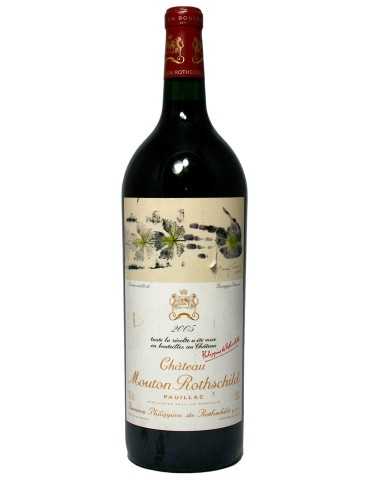
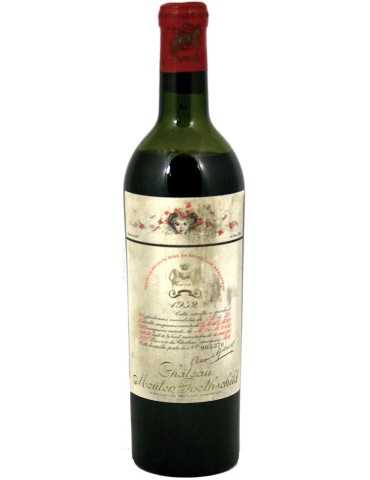
1,135.00 CHF
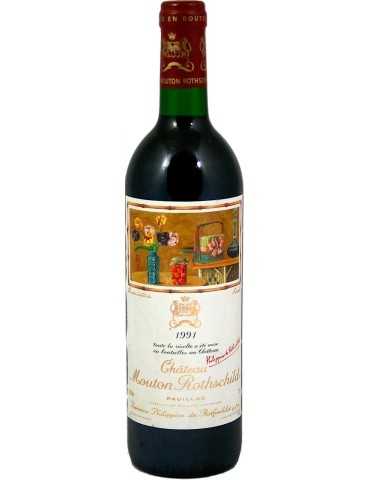
318.00 CHF
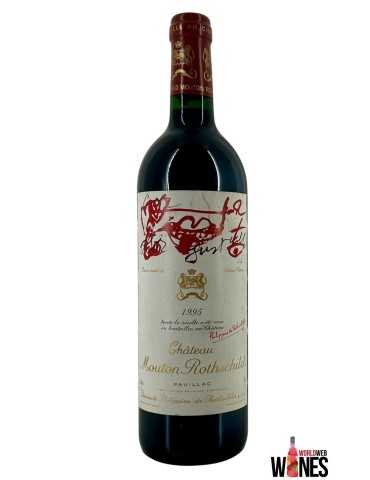
475.00 CHF
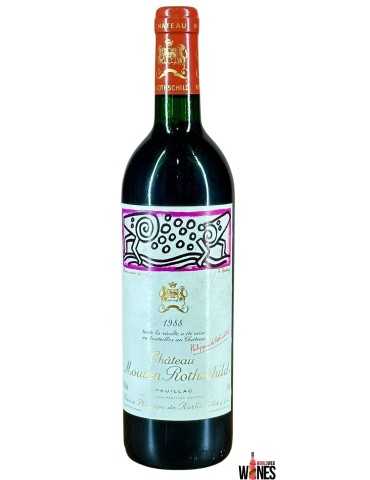
356.00 CHF
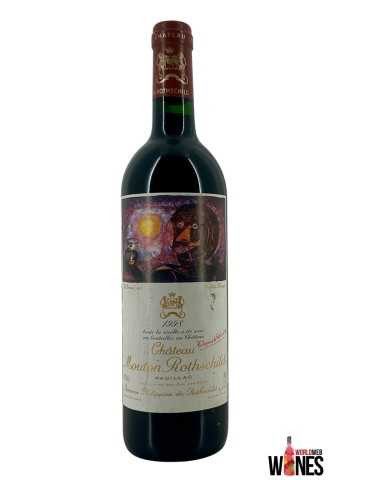
497.00 CHF
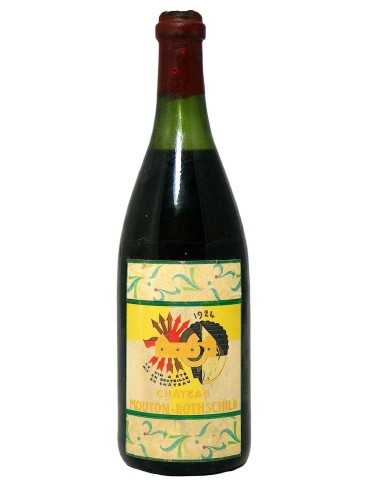
2,972.00 CHF
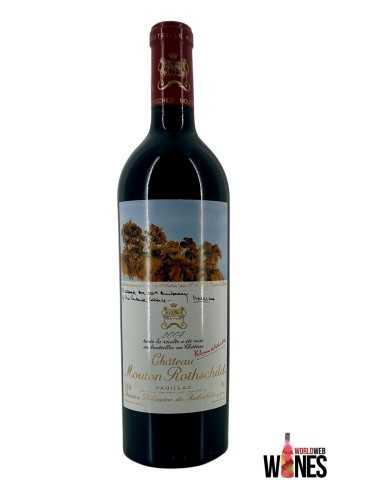
470.00 CHF
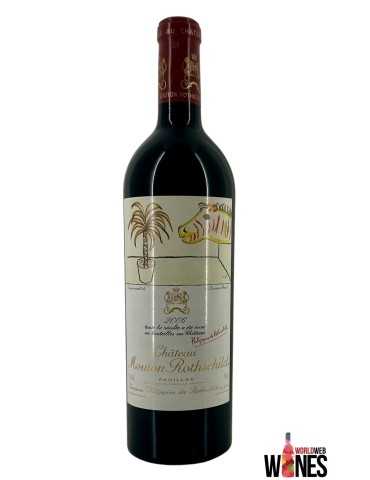
556.00 CHF
567.00 CHF