English
 Français
243.00 CHF

France • Bordeaux • Left Bank • Médoc • Graves • Sauternes
Bordeaux Left Bank, great age-worthy wines and iconic appellations
The Bordeaux Left Bank stretches west and south of the Garonne and Gironde rivers. It brings together some of the most prestigious appellations in Bordeaux, including Pauillac, Margaux, Saint-Julien, Saint-Estèphe, Graves & Pessac-Léognan and Sauternes.
Shaped by gravel soils and the influence of Cabernet Sauvignon, the Left Bank embodies the structure, precision and longevity of great Bordeaux wines. It produces deep reds built for cellaring, refined dry whites and some of the world’s most celebrated sweet wines.
The spirit of the Left Bank
The Left Bank represents the most classical expression of great age-worthy Bordeaux: structured, precise and profound wines shaped by gravel soils, Cabernet Sauvignon, historic châteaux and outstanding vintages.
The main areas of the Left Bank
The Left Bank includes the Médoc, the Haut-Médoc, the great communal appellations north of Bordeaux, the terroirs of Graves and Pessac-Léognan, and the sweet wines of Sauternes. Each sector has its own identity: power in Pauillac, finesse in Margaux, balance in Saint-Julien, density in Saint-Estèphe, smoky complexity in Pessac-Léognan and luminous richness in Sauternes.
This diversity gives the Left Bank a unique place within Bordeaux. It allows wine lovers to choose between great red wines for long cellaring, gastronomic dry whites and exceptional sweet wines.
Médoc, Haut-Médoc and communal appellations
The Médoc is the historic heart of the great red wines of the Left Bank. Its gravel soils, close to the Gironde estuary, encourage the ripening of Cabernet Sauvignon and produce structured, deep wines with excellent ageing potential. The Haut-Médoc offers a broad range of estates, crus bourgeois, historic properties and bottles that often provide a very attractive balance between quality and pleasure.
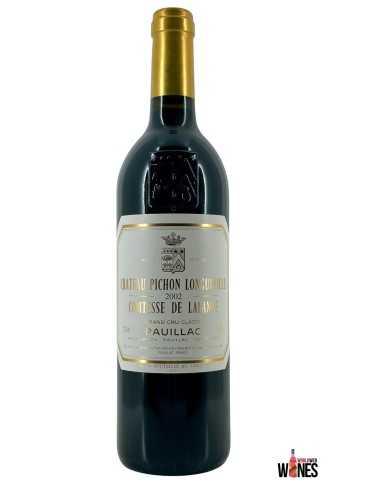
The communal appellations concentrate some of Bordeaux’s greatest signatures: Pauillac for power and depth, Margaux for floral elegance, Saint-Julien for harmony and consistency, and Saint-Estèphe for structure and freshness. More discreet, Moulis-en-Médoc completes this landscape with characterful wines, often approachable earlier.
Graves, Pessac-Léognan and great dry white wines
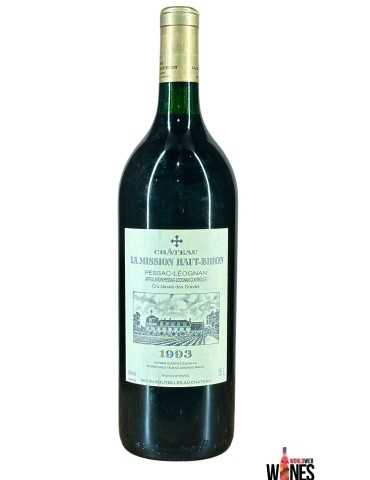
South of Bordeaux, Graves & Pessac-Léognan reveal another face of the Left Bank. The red wines are often deep, elegant and marked by notes of black fruit, smoke, spice, graphite and warm earth.
The area is also renowned for high-quality dry white wines, mainly made from Sauvignon Blanc and Sémillon. These whites combine freshness, citrus notes, texture and complexity, with a true affinity for fine dining and, for the greatest examples, ageing.
Sauternes, Barsac and Cérons
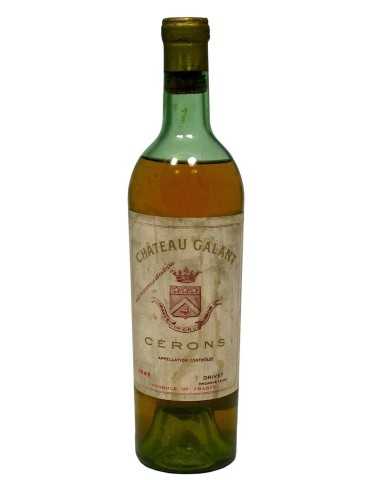
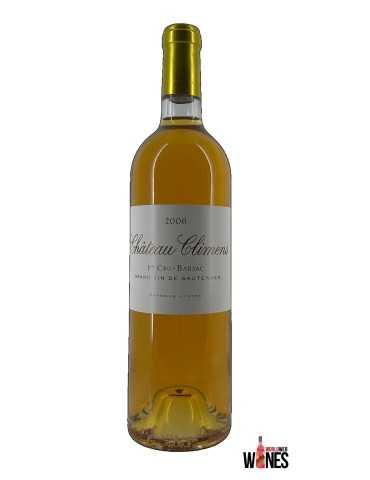
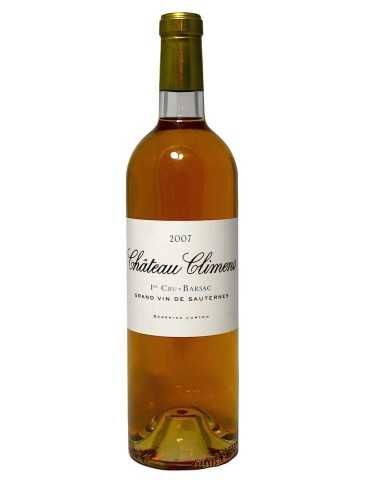
Further south, Sauternes, Barsac and Cérons offer a luminous sweet expression of Bordeaux. Made from botrytised grapes, these wines combine concentration, freshness and great aromatic complexity.
Sauternes seduces with notes of honey, apricot, candied fruits, saffron and ripe citrus. Barsac often shows more tension and mineral freshness, while Cérons offers a more discreet, balanced and delicate expression of the sweet wines of southern Bordeaux.
Grape varieties and characteristic styles
The great red wines of the Left Bank are mainly based on Cabernet Sauvignon, which brings structure, freshness, cassis, cedar, graphite and ageing potential. Merlot adds roundness and fruit, while Cabernet Franc and Petit Verdot contribute complexity, spice, colour and tension.
In dry white and sweet wines, Sauvignon Blanc, Sémillon and sometimes Muscadelle bring freshness, breadth, floral notes, citrus, honeyed nuances and the ability to age. This range of grape varieties explains the diversity of styles produced across the Left Bank.
Classifications and key references
The Left Bank is closely linked to the 1855 Classification, a historic reference for the great classified growths of the Médoc and the sweet wines of Sauternes-Barsac. It includes several of Bordeaux’s most famous châteaux, from the First Growths to classified estates across different levels.
Other references, such as the Graves classification, crus bourgeois and crus artisans, also help to understand the diversity of the region. These hierarchies never replace tasting, but they provide useful markers when choosing a bottle according to style, vintage and potential.
Choosing a Left Bank wine
For cellaring, classified growths, structured vintages and appellations such as Pauillac, Saint-Julien, Saint-Estèphe or Pessac-Léognan are natural choices. For the table, a mature Médoc red, a dry white from Graves or a sweet Sauternes can accompany very different cuisines.
For a gift, a recognised château, a prestigious appellation or an older vintage is immediately meaningful to wine lovers. For discovery, the Haut-Médoc, Moulis, crus bourgeois, certain second wines and more discreet cuvées offer an excellent introduction to the Left Bank.
Food pairings with Left Bank wines
Left Bank wines are naturally suited to gastronomy. Their structure, balance and diversity allow precise pairings, from red meats and noble fish to cheeses, foie gras and desserts.
Médoc reds: rib of beef, entrecôte, roasted lamb, game, duck, poultry in sauce and aged cheeses.
Dry whites: noble fish, shellfish, poultry, fine vegetables, fresh cheeses and gastronomic cuisine.
Sweet wines: foie gras, yellow fruit desserts, blue cheeses, delicately spiced cuisine or end-of-meal tasting.
Buy Left Bank Bordeaux wines online
World Web Wines offers a selection of Bordeaux Left Bank wines available online with delivery in Switzerland. The range brings together great age-worthy reds, characterful dry whites, sweet wines from Sauternes and bottles chosen for their provenance, maturity and genuine tasting interest.
Exploring this selection means discovering one of the most prestigious areas of Bordeaux, shaped by great gravel terroirs, historic châteaux, Cabernet Sauvignon, age-worthy vintages and exceptional sweet wines.
28.00 CHF
39.00 CHF
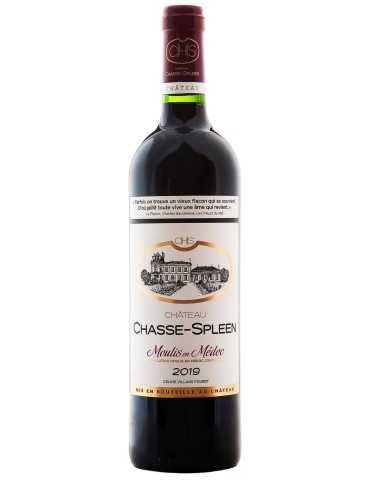
32.00 CHF
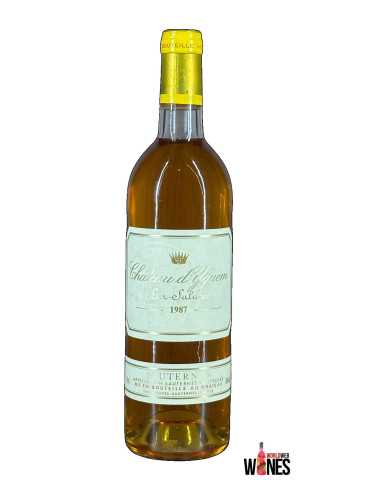
291.00 CHF
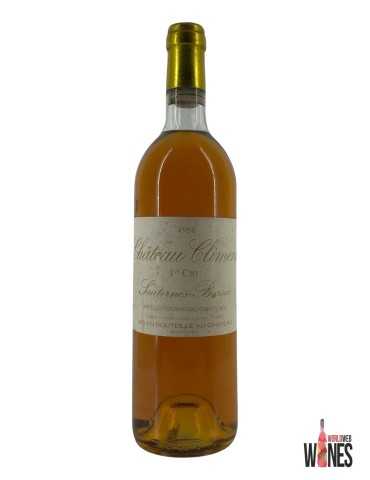
135.00 CHF
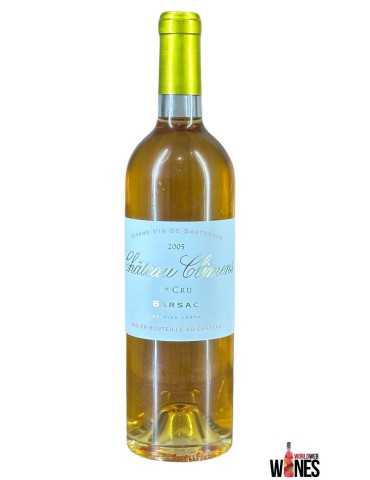
94.00 CHF
90.00 CHF
183.00 CHF
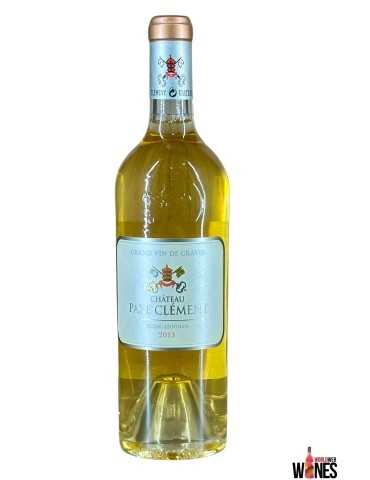
102.00 CHF
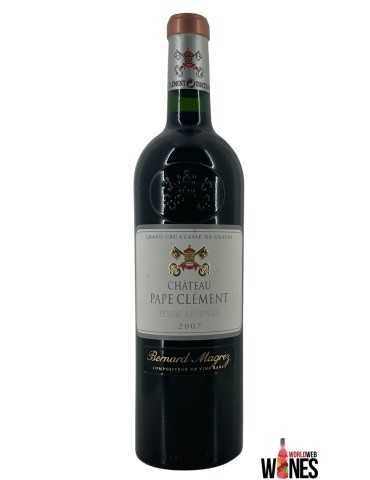
113.00 CHF
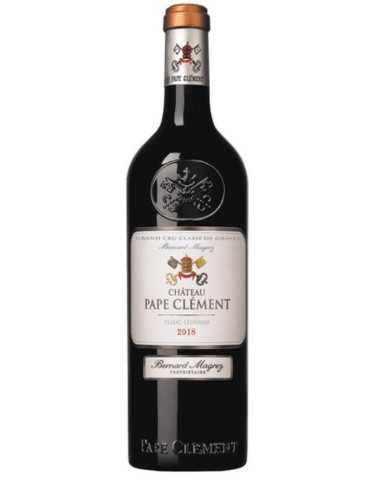
105.00 CHF
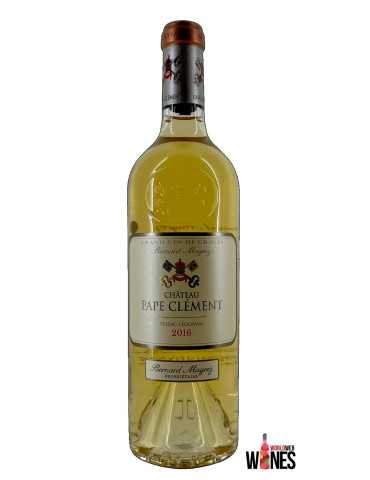
129.00 CHF
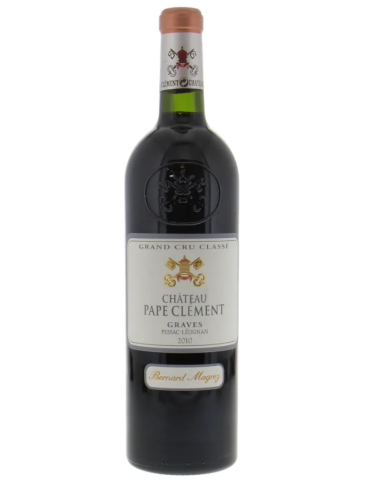
210.00 CHF
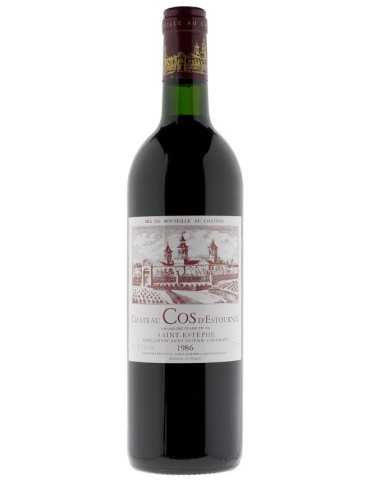
140.00 CHF
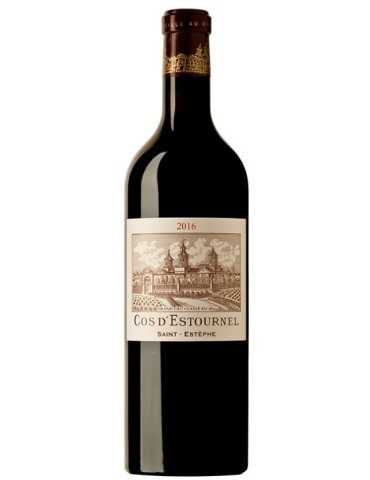
216.00 CHF