English
 Français
75.00 CHF

France • Bordeaux • Sauternes • Barsac • Sweet wines • Botrytis
Sauternes: great sweet wines of Bordeaux, noble rot and legendary estates
A jewel of Bordeaux, Sauternes is renowned for sweet wines of remarkable richness, precision and longevity. Its identity comes from noble rot, or Botrytis cinerea, which naturally concentrates the grapes and gives the wines their silky texture, aromatic depth and exceptional ageing potential.
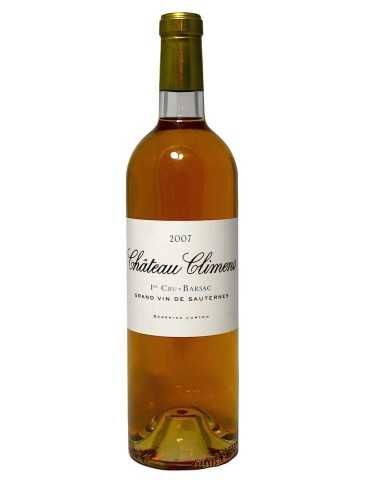
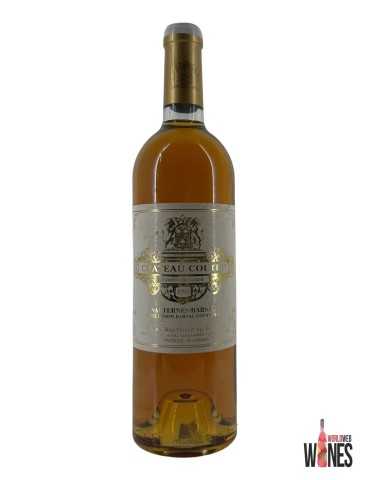
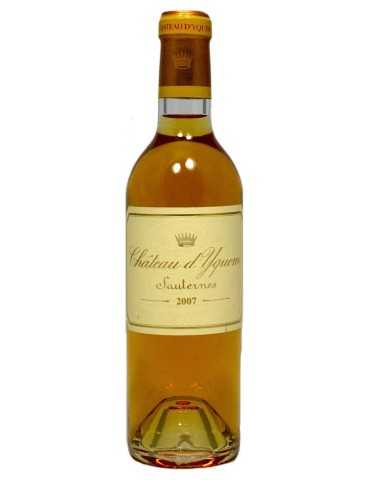
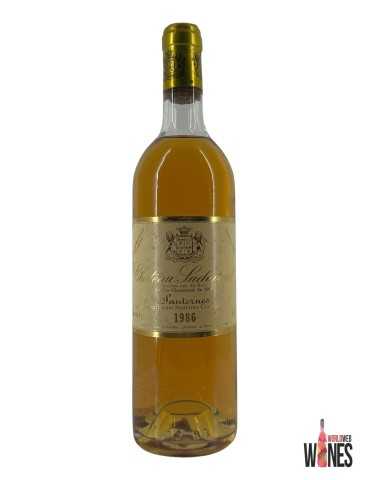
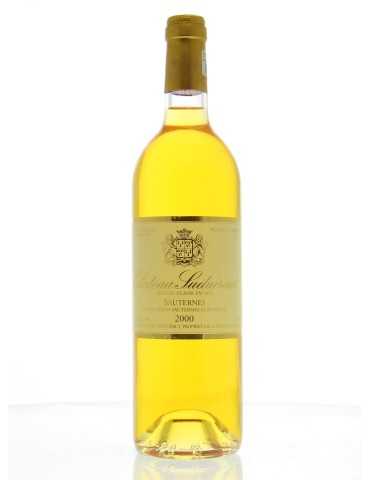
Estates such as Château d’Yquem, Château Rieussec, Château Climens, Château Suduiraut, Château Guiraud and Château de Fargues embody the greatness of Sauternes and Barsac: balance between sweetness, freshness, complexity and long evolution.
The spirit of Sauternes
Sauternes is not only about sweetness. Its greatness lies in the balance between noble richness, natural freshness, aromatic complexity and the ability to evolve for decades. The finest bottles combine depth, tension and a unique sense of refinement.
A unique appellation south of Bordeaux
Located south of Bordeaux, Sauternes benefits from a rare microclimate. Morning mists, encouraged by the meeting of the cool Ciron and the Garonne, allow botrytis to develop, while drier afternoons gradually concentrate the grapes.
Botrytis cinerea: natural concentration of sugars, acidity and aromas, bringing depth and complexity.
Selective picking: grapes harvested in successive passes at the ideal level of concentration.
Balance: freshness is essential to avoid heaviness and give great Sauternes its length.
Sémillon, Sauvignon Blanc and Muscadelle
Sémillon is the central grape variety of Sauternes, bringing volume, texture, honeyed notes and ageing potential. Sauvignon Blanc adds freshness, tension and aromatic lift, while Muscadelle, used in smaller proportions, can enhance floral and perfumed nuances.
Sémillon: breadth, honey, candied fruit, wax, silky texture and longevity.
Sauvignon Blanc: citrus, freshness, tension and balance in the blend.
Muscadelle: delicate floral lift and additional aromatic complexity.
The style of great Sauternes
Great Sauternes offers an intense aromatic palette: candied apricot, roasted peach, honey, saffron, ripe citrus, exotic fruit, white flowers, beeswax and sweet spices. With age, it develops deeper notes of dried fruit, blond caramel, tea, marmalade, white truffle and rare spices.
Young: candied fruit, citrus, honey, white flowers, saffron and aromatic freshness.
At maturity: wax, dried fruit, tea, marmalade, spices, white truffle and deeper texture.
Signature: noble sweetness, precision and freshness, where richness is always carried by balance.
Châteaux, classified growths and great signatures
Sauternes and Barsac bring together some of the greatest names in sweet wine. Château d’Yquem holds a unique position as Premier Cru Supérieur, while Rieussec, Climens, Suduiraut, Guiraud and de Fargues express different balances of power, finesse, richness and tension.
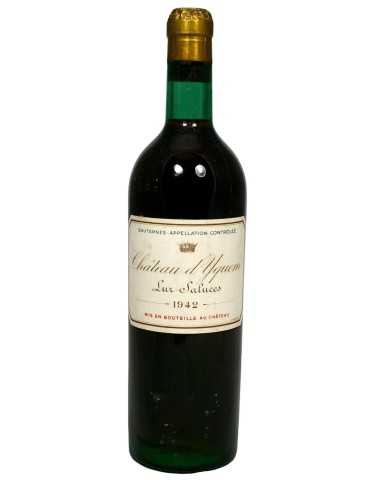
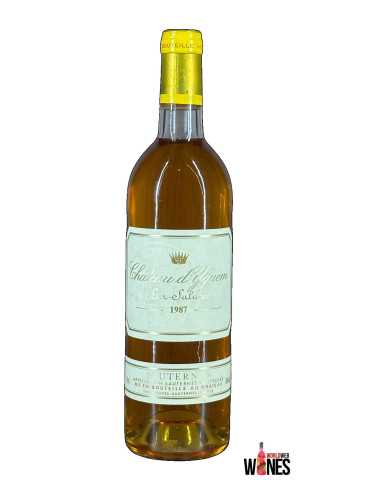
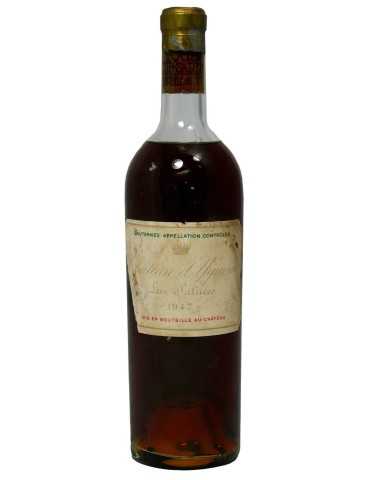
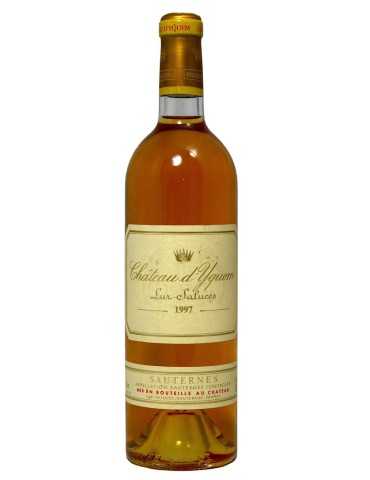
Château d’Yquem: Premier Cru Supérieur and the legendary benchmark of Sauternes.
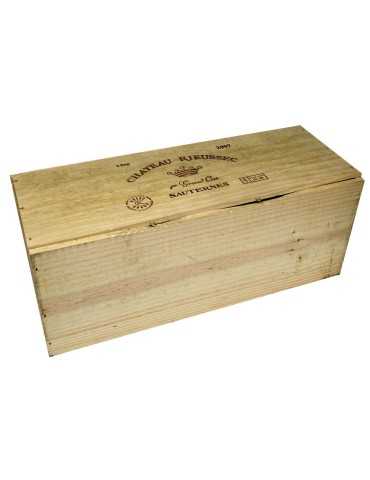
Rieussec, Suduiraut and Guiraud: major names known for richness, precision and aromatic depth.
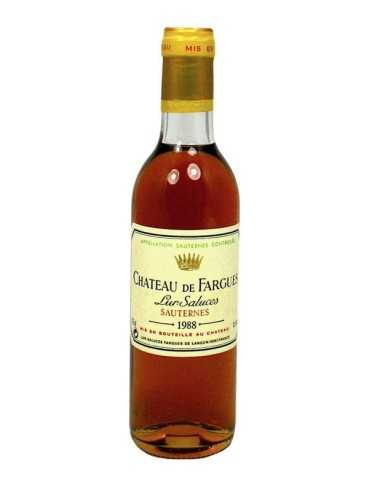
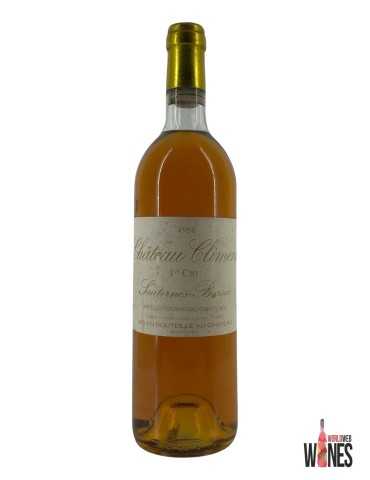
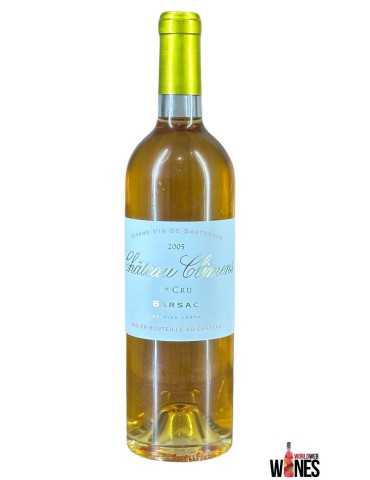
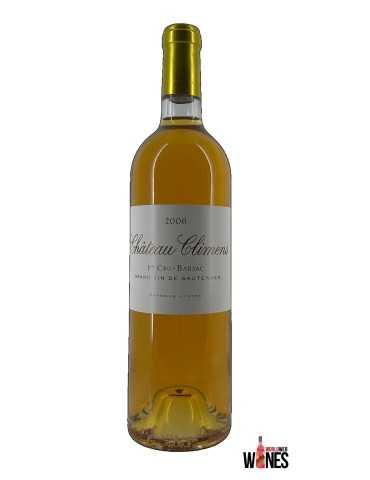
Climens and de Fargues: distinctive signatures prized for personality, finesse and long evolution.
Which Sauternes should you choose?
For a gift
Yquem, Rieussec, Climens, Suduiraut, Guiraud or an immediately recognisable mature vintage.
For gastronomy
Foie gras, blue cheeses, lightly spiced cuisine, saffron poultry or desserts with yellow fruit.
For cellaring
A great château, botrytised vintage, mature bottle or well-preserved large format.
World Web Wines advice
Sauternes is ideal for a rare gift, a great table or a cellar built around long-lived wines. For immediate drinking, favour mature vintages with developed notes of honey, wax, dried fruit and spices. For cellaring, choose leading estates, concentrated vintages and bottles with serious provenance.
Sauternes vintages: drink or keep?
Sauternes is among the longest-lived wines in France. Great vintages can evolve for several decades, sometimes longer in the most prestigious estates. Storage conditions remain decisive, especially for very old bottles.
Drink now: 1959, 1967, 1975, 1976, 1983, 1986, 1988, 1989 and 1990, depending on estate, level and storage.
Drink or keep: 2001, 2005, 2007, 2009, 2010 and 2011, with many great bottles already offering remarkable pleasure.
Keep: 2015, 2016, 2017, 2019, 2020 and 2022, still young in the top estates and likely to gain complexity.
Food pairings with Sauternes
Sauternes is not limited to dessert. Its richness, freshness and complexity pair beautifully with foie gras, blue cheeses, creamy poultry, lightly spiced dishes, sweet-and-savoury cuisine, yellow fruit desserts, candied citrus, almonds, honey and dried fruit.
Buy Sauternes wines online
World Web Wines offers a selection of Sauternes wines available online with delivery in Switzerland: renowned estates, mature vintages, bottles ready to drink, cellar-worthy wines and selections chosen for their provenance, balance and genuine tasting interest.
1,675.00 CHF
291.00 CHF
135.00 CHF
94.00 CHF
90.00 CHF
183.00 CHF
43.00 CHF
85.00 CHF
59.00 CHF
2,648.00 CHF
398.00 CHF 443.00 CHF
918.00 CHF
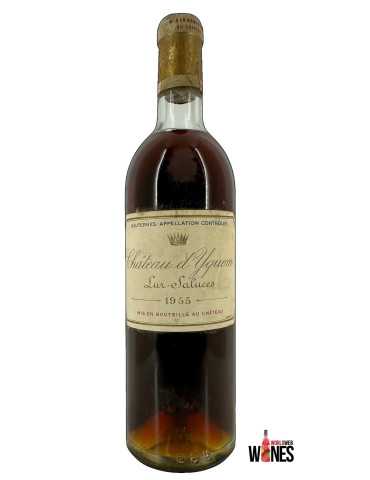
1,081.00 CHF
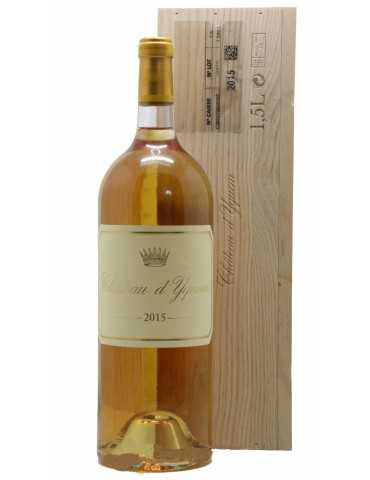
1,081.00 CHF
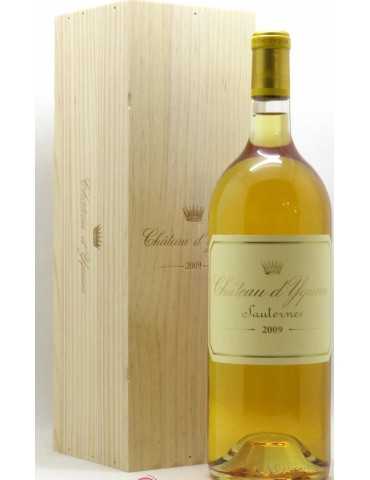
1,135.00 CHF
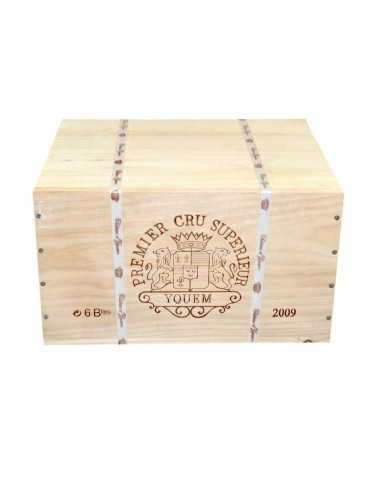
3,603.00 CHF