English
 Français

Champagne, the legendary wine region of France
Champagne is one of the most celebrated wine regions in the world. Located in north-eastern France, it owes its prestige to a unique terroir, remarkable chalk soils, a demanding cool climate and a historic savoir-faire that gave birth to the greatest of sparkling wines.
Buying Champagne is not only about choosing a bottle for celebration. It is also about discovering an exceptional wine region, shaped by its villages, crus, grape varieties, great houses and growers. From the Montagne de Reims to the Côte des Blancs, from the Vallée de la Marne to the Côte des Bar, each sector brings a distinctive identity to the wines.
Champagne is defined by a balance of freshness, tension, finesse and complexity. Its wines are born from a cool terroir, chalk-rich soils, precise blending of grape varieties and long ageing in the cellar. This combination gives Champagne its elegance, brightness, ageing capacity and unique place in the world of fine wine.
Champagne, a unique terroir
The Champagne vineyard is shaped by a cool, sometimes challenging climate that favours slow grape ripening. This natural freshness preserves high acidity, essential to the balance, precision and ageing potential of great Champagnes.
Chalk soils also play a central role. They retain water, regulate humidity and encourage a highly distinctive mineral expression. This emblematic chalk contributes to the tension, elegance and aromatic depth of the region’s finest cuvées.
The main sub-regions of Champagne
The greatest Champagnes are born from the dialogue between grape varieties, chalk soils, a cool northern climate and the expertise of both houses and growers. Each sub-region brings its own identity, from the Pinot Noir power of the Montagne de Reims to the mineral purity of Chardonnay in the Côte des Blancs.
Montagne de Reims: renowned for powerful, structured Champagnes dominated by Pinot Noir, with emblematic villages such as Verzenay, Verzy, Bouzy, Ambonnay and Mailly-Champagne.
Vallée de la Marne: the historic heartland of Pinot Meunier, producing generous, fruity and expressive Champagnes, often marked by a rounder texture.
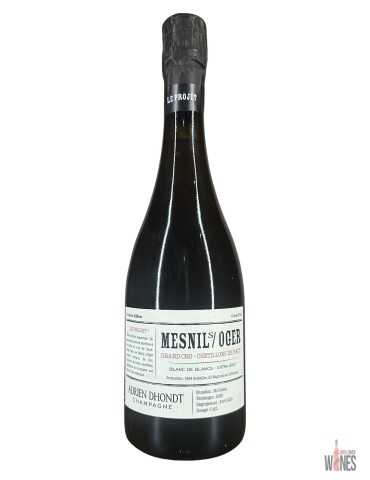
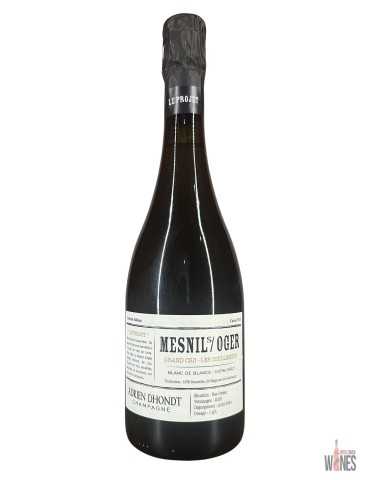
Côte des Blancs: the kingdom of Chardonnay, home to Avize, Cramant, Le Mesnil-sur-Oger and Chouilly, villages sought after for elegant, mineral and precise Champagnes.
Côte des Bar: located in the southern part of Champagne, close to Burgundy, it is known for expressive Pinot Noir-based wines, fruit intensity and a strong terroir identity.
The grape varieties of Champagne
The character of Champagne is mainly built around three grape varieties: Chardonnay, Pinot Noir and Pinot Meunier. Chardonnay brings finesse, tension and minerality; Pinot Noir gives structure, depth and vinosity; Pinot Meunier offers fruit, roundness and suppleness, particularly in the Vallée de la Marne.
Chardonnay: finesse, freshness, minerality and elegance.
Pinot Noir: power, structure, vinosity and depth.
Pinot Meunier: fruit, roundness, suppleness and generosity.
Villages, crus and emblematic places
Champagne is a mosaic of villages and crus whose names speak directly to fine wine lovers. Reims and Épernay embody the history and prestige of the region, while Avize, Cramant, Chouilly, Le Mesnil-sur-Oger, Bouzy, Ambonnay, Verzenay and Verzy each express a different nuance of the Champagne terroir.
Great houses and Champagne growers
Champagne owes much of its prestige to its historic houses, whose expertise is rooted in blending, stylistic consistency and long cellar ageing. The region is also shaped by growers who highlight individual parcels, villages and more personal expressions of terroir.
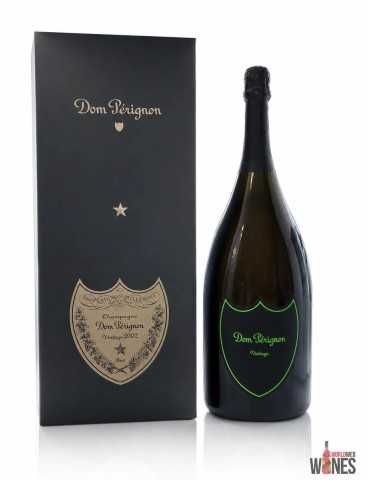
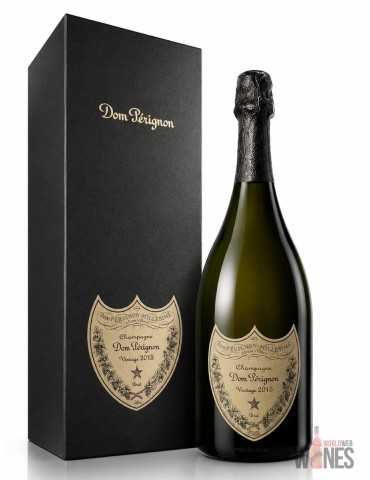
Dom Pérignon: an iconic house associated with great vintage Champagnes, prestige and precision.
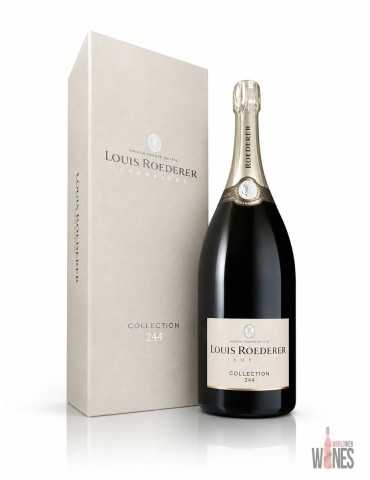
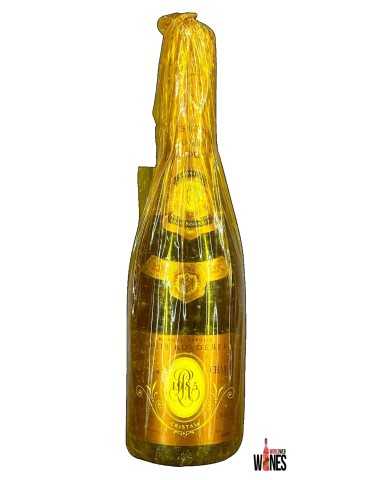
Louis Roederer: a leading house known for the elegance of its cuvées and for Cristal, one of the most famous prestige Champagnes.
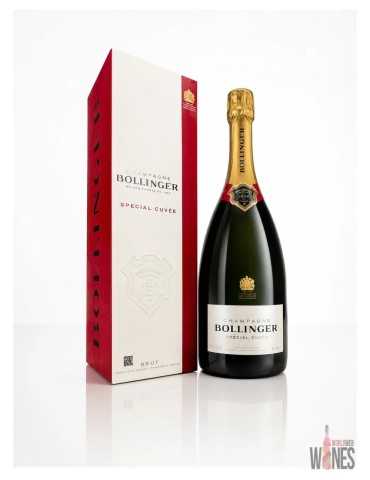
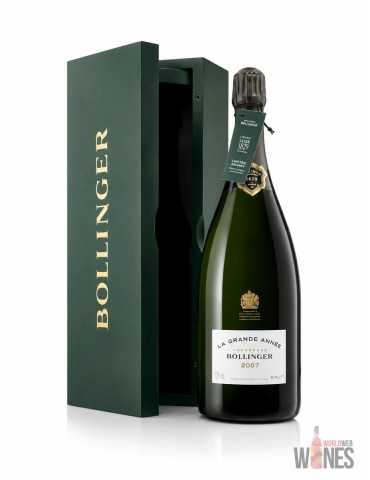
Krug and Bollinger: major references for lovers of deep, vinous, complex and gastronomic Champagnes.
Jacques Selosse: a cult grower, sought after for rare, expressive Champagnes deeply marked by their origin.
For finesse: look for Champagnes from the Côte des Blancs and Chardonnay-dominant cuvées.
For power: favour the Montagne de Reims, Pinot Noir and more structured cuvées.
For fruit: explore the Vallée de la Marne and Champagnes where Pinot Meunier plays an important role.
For character: discover the Côte des Bar, its expressive Pinot Noirs and singular growers.
This page presents Champagne as a wine region: its terroir, sub-regions, grape varieties, villages and producers. It is designed for wine lovers who want to understand the origin of the wines, their identity and what makes this appellation unique.
For those who prefer to choose a bottle according to a specific style, occasion or food pairing, discover our page dedicated to buying Champagne by wine type.
Buy Champagne from the Champagne region
World Web Wines offers a selection of Champagnes available online with delivery in Switzerland. Our range brings together iconic houses, vintage cuvées, prestige Champagnes and bottles from producers recognised for their terroir expression, authenticity and quality of cellaring.
Explore our Champagne selection to discover the great expressions of this legendary wine region: the finesse of the Côte des Blancs, the power of the Montagne de Reims, the fruit of the Vallée de la Marne and the character of the Côte des Bar.
Our standard: a Champagne selection designed to highlight the identity of the region, the precision of its terroirs, the reputation of its houses and the distinctive character of each cuvée.