English
 Français
64.00 CHF

Filters (151 products)
Buying guide
Guide to understanding the aromas of mature wines
Mature wines offer a distinctive tasting experience, shaped by deeper, more nuanced and often more complex aromas than those found in young wines. Over time, the fruit evolves, the structure softens and the aromatic bouquet gains subtlety. Understanding these aromas helps you better appreciate fine older wines and choose bottles that match your personal taste.
Understanding wine ageing
Ageing gradually transforms a wine’s aromas. Primary aromas, which come from the grape and the wine’s youth, give way to more evolved notes known as tertiary aromas. These appear slowly over the years as the wine develops in bottle.
In a mature wine, fresh fruit notes often become more candied or dried, tannins become smoother and new nuances emerge: gentle spices, leather, tobacco, forest floor, honey, dried fruit or toasted notes, depending on the type of wine, grape variety, terroir and storage conditions.
Aromas of mature red wines
Great red wines often evolve towards deeper and more delicate aromas. The fruit becomes less immediate, while tertiary notes bring greater complexity and depth.
- Dried fruit and evolved dark fruit — dried black cherry, prune, fig, candied blackcurrant
- Gentle spices — cinnamon, clove, soft pepper, liquorice
- Forest floor — fallen leaves, humus, truffle, noble mushroom
- Tobacco and leather — classic aromas found in great mature red wines
- Precious woods — cedar, cigar box, sometimes accompanied by subtle notes of cocoa or vanilla when oak ageing has marked the wine with elegance
Aromas of mature white wines
Mature white wines develop a particularly refined aromatic palette. Depending on grape varieties and terroirs, they may evolve towards honeyed, floral, mineral or lightly toasted notes.
- Candied fruit — apricot, peach, quince, candied citrus
- Dried flowers — chamomile, acacia, linden blossom, yellow flowers
- Honey and beeswax — gentle, complex nuances often found in great mature white wines
- Hazelnut and toasted almond — highly sought-after aromas in great white Burgundy
- Minerality — flint, chalk, oyster shell or saline notes depending on the terroir
Aromas of mature Champagnes
Vintage Champagnes and prestige cuvées gain complexity with ageing. Their bubbles often become finer, while the nose develops pastry, toasted and slightly oxidative notes.
- Brioche and toast — notes linked to long ageing on lees
- Dried fruit — almond, hazelnut, fresh walnut
- Pastry notes — biscuit, butter, cream, puff pastry
- Delicate forest floor — mushroom, white truffle, lightly smoky notes in certain great vintages
Why do aromas change over time?
A wine’s aromatic evolution is linked to slow chemical transformations that take place in the bottle. Tiny amounts of oxygen, tannins, acidity and aromatic compounds interact gradually. This evolution allows the wine to gain complexity, but it depends strongly on the wine’s initial quality and storage conditions.
How to taste a mature wine
Tasting a mature wine requires more delicacy than tasting a young wine. Older bottles can be fragile and should be served with care in order to preserve their balance.
- Temperature — serve mature reds around 16 to 18°C and mature whites around 12 to 14°C
- Aeration — some wines benefit from being opened in advance, but very old bottles should be handled with caution
- Decanting — useful for separating sediment in red wines, but best avoided if the wine appears fragile
- Suitable glassware — a sufficiently wide glass allows tertiary aromas to express themselves with finesse
Buying mature wines: key points to check
Buying mature wine requires particular attention. The older a bottle is, the more important its storage history becomes for the quality of the tasting experience.
- Provenance — favour bottles whose origin and storage conditions are known
- Vintage — some vintages age better than others depending on the region and wine style
- Fill level — a level that is too low may indicate advanced evolution or imperfect storage
- Condition of the cork and capsule — signs of leakage or fatigue may indicate a risk of alteration
- Wine colour — when visible, it provides valuable clues about the bottle’s evolution
The unique charm of mature wines
Mature wines are appealing for their complexity, softness of expression and ability to tell the story of time. When carefully chosen and properly stored, they offer a deep, elegant and often moving tasting experience, where each aroma reveals a new facet of the wine.
151.00 CHF
297.00 CHF
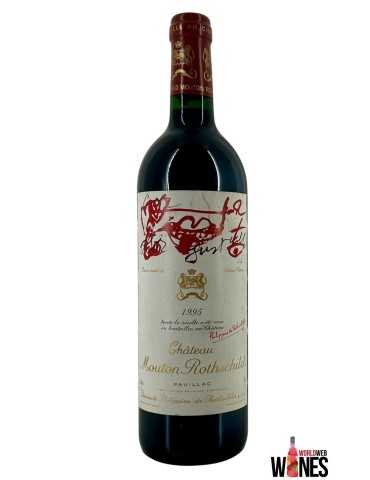
475.00 CHF
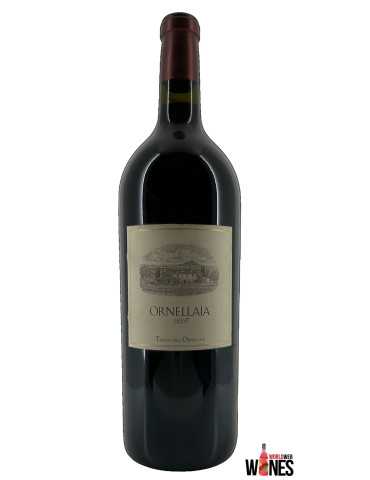
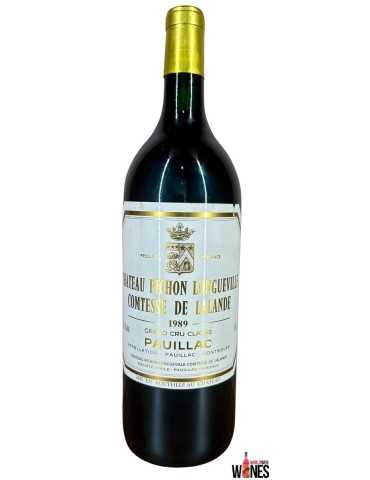
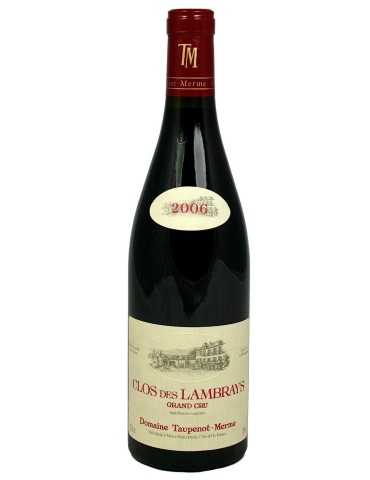
518.00 CHF
318.00 CHF
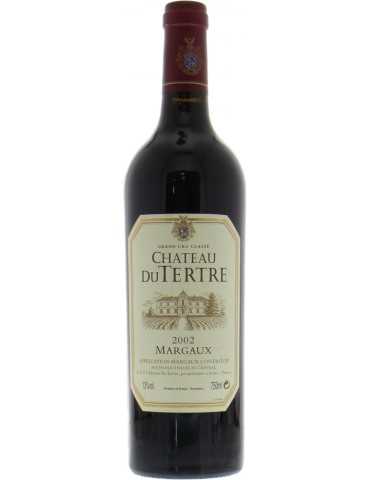
42.00 CHF
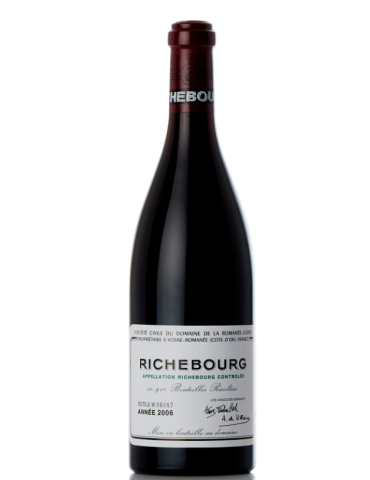
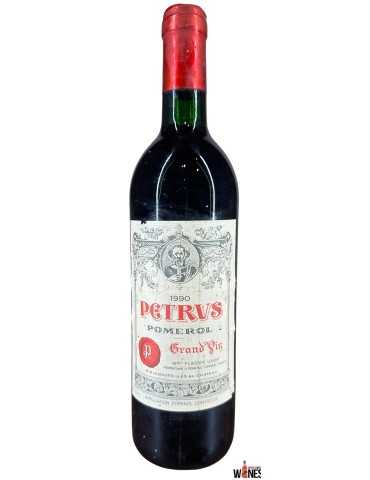
3,999.00 CHF