English
 Français

How to choose the right wine vintage?
Choosing a vintage is not simply about selecting a year. It means choosing a precise expression of a terroir, a climate and a producer’s savoir-faire. A great vintage can offer depth, balance and ageing potential, while a more discreet vintage may charm with its accessibility, freshness or immediate elegance.
This guide helps you understand the role of the vintage, identify the great years by region and choose the wine best suited to a tasting, a collection cellar or a birthday gift.
What is a vintage?
The vintage refers to the year in which the grapes used to produce the wine were harvested. It reflects the climatic conditions of that year: sunshine, rainfall, temperatures, grape ripeness and the natural balance between sugar, acidity and structure. For fine wines, the vintage plays an essential role in style, quality and ageing potential.
1. Understanding the influence of the vintage
Each year leaves its own signature on the wine. A warm year will often produce wines that are more sun-kissed, full-bodied and generous. A cooler year may produce wines that are more taut, precise and elegant. A perfectly balanced year, with good ripeness and preserved acidity, can give rise to truly great age-worthy wines.
However, the vintage should never be assessed on its own. The region, appellation, grape variety, estate style and storage conditions are just as important when evaluating the real quality of a bottle.
2. Great vintages by region
Certain years have become benchmarks in France’s great wine regions. They are sought after for their balance, concentration, aromatic depth or ageing potential.
Bordeaux
The 2000, 2005, 2009, 2010, 2015, 2016, 2018 and 2019 vintages are among the most sought-after years. They often offer structure, richness, depth and excellent ageing potential.
Burgundy
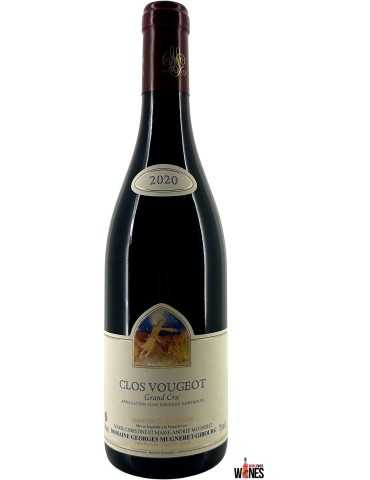
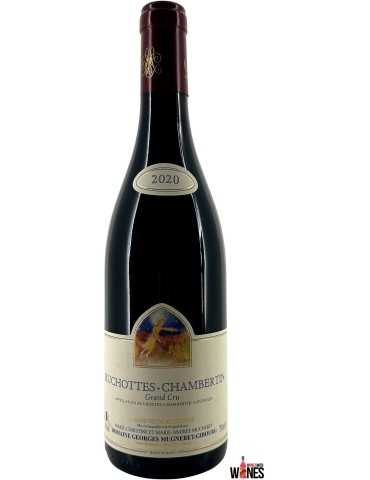
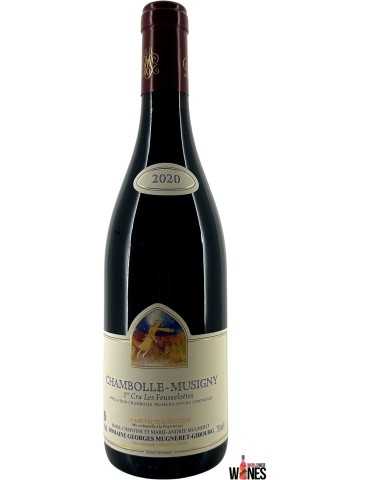
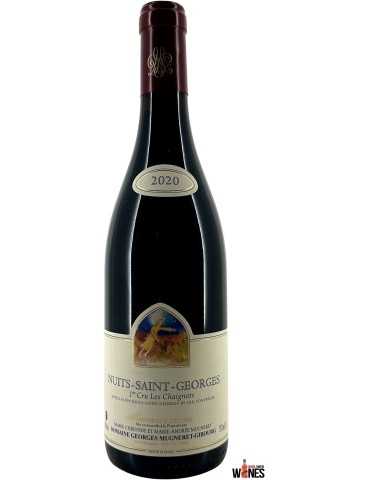
The 2005, 2010, 2015, 2019 and 2020 vintages are particularly appreciated for their precision, aromatic intensity and ability to finely express their terroirs.
Rhône Valley
The 2007, 2010, 2015, 2016 and 2019 vintages stand out for their ripeness, intensity and balance. The great crus of the Rhône can evolve beautifully over several decades.
Champagne
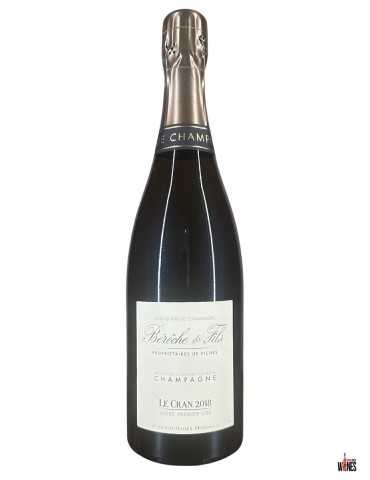
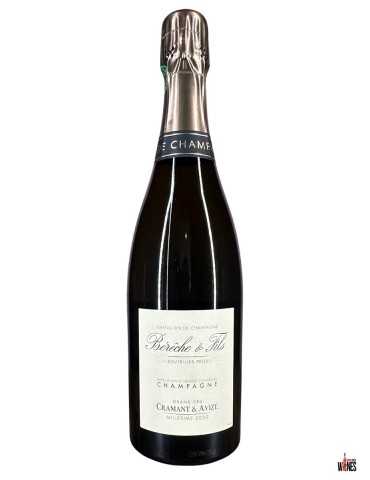
The 2002, 2004, 2008, 2012 and 2013 vintages are highly sought after. In Champagne, a house generally produces a vintage cuvée only when the year truly deserves it.
3. Young wine, mature wine or age-worthy wine?
Not all vintages are enjoyed at the same moment. Some wines are made to be appreciated in their youth, with fresh fruit aromas and a supple structure. Others need several years, or even several decades, to reveal their full complexity.
A great age-worthy wine is often recognised by its balance between concentration, acidity, tannins and length on the palate. Over time, it develops more complex aromas: undergrowth, leather, truffle, spices, candied fruit, honey or toasted notes depending on the type of wine.
4. Choosing a vintage for a birthday
A vintage wine is a particularly personal gift idea. It can celebrate a birth year, a wedding, the founding of a company, an important anniversary or a major family occasion.
For a birthday wine, it is best to choose a bottle with reliable provenance and a style suited to the occasion: a great Bordeaux for a collection cellar, vintage Champagne for a celebration, a large format for an event, or a mature wine ready to drink for immediate enjoyment.
5. The importance of the producer
The vintage indicates the potential of a year, but the producer often makes the difference. A great estate can produce a remarkable wine even in a more challenging year thanks to rigorous grape selection, precise vineyard work and skilful winemaking.
Conversely, a great year does not automatically guarantee a great bottle. The reputation of the estate, the condition of the bottle, its fill level, cork, label and storage conditions should always be taken into account.
6. Storage, provenance and bottle condition
For older vintages, storage is just as important as the year itself. A bottle from a great vintage may lose much of its appeal if it has been exposed to heat, light or poor storage conditions.
At World Web Wines, wines are carefully stored in our cellars in Geneva. This control over storage conditions allows us to offer thoughtfully selected bottles, whether they are old vintages, rare Champagnes, large formats or wines intended as gifts.
Our advice for choosing the right vintage
- Start with the occasion: tasting, gift, birthday, collection or event.
- Consider the region: a great vintage in Bordeaux is not always a great year in Champagne or Burgundy.
- Check the ageing potential if you wish to keep the bottle for several years.
- For immediate enjoyment, choose a wine that is already mature or close to its peak.
- For older bottles, pay particular attention to provenance and storage conditions.
7. Vintage Champagne: an exceptional year
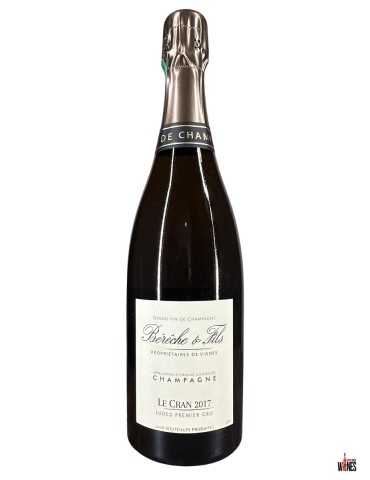
In Champagne, a vintage has a special meaning. Unlike non-vintage cuvées, which blend several years to preserve the house style, a vintage Champagne expresses the character of a single harvest.
The great houses generally declare a vintage only when the year reaches a sufficient level of quality. These Champagnes are often more complex, deeper and especially sought after by enthusiasts and collectors alike.
Find the ideal vintage for your occasion
Whether you are looking for a birthday wine, a vintage Champagne, an old bottle or a large format, our selection helps you choose a vintage suited to every important moment.
View the vintages