English
 Français

2017 Vintage — A Challenging Year Revealed by the Finest Terroirs
Buying a 2017 vintage wine means choosing a vintage deeply marked by the severe spring frost that dramatically reduced yields across many European wine regions. Nevertheless, vineyards spared by the frost and the most meticulous estates produced elegant, precise and approachable wines, favouring freshness and balance over sheer power.
The greatest successes can be found in Pessac-Léognan, Burgundy, Spain's leading wine regions, particularly Rioja and Ribera del Duero, as well as the Rhône Valley. Bordeaux also produced many excellent wines, although choosing the right producer is more important than ever in this highly variable vintage.
For the safest purchases, focus on 2017 Pessac-Léognan, White Burgundies, the finest Rioja, leading Châteauneuf-du-Pape wines and Syrahs from the Northern Rhône. The best crus from Pauillac, Saint-Julien and Saint-Estèphe also deserve attention, while appellations more severely affected by the spring frost require particularly careful producer selection.
The 6 Best Performing Regions of the 2017 Vintage
A selection of the regions that delivered the most convincing results despite a vintage heavily impacted by the severe spring frost.
Outstanding success for both red and dry white wines.
Freshness, precision and outstanding balance.
A superb vintage from the region's finest estates.
Concentrated, harmonious wines with excellent ageing potential.
Elegant, fresh and beautifully balanced Syrahs.
Expressive, concentrated and consistently impressive reds.
World Web Wines editorial ratings are intended as a buying guide. They are based on the consensus of leading international wine references and do not represent a single official score.
The Style of the 2017 Vintage
The 2017 vintage is defined by strong contrasts and was deeply impacted by the severe spring frost that affected many European vineyards. Yields were often significantly reduced, but vineyards that escaped the frost produced wines of remarkable precision. The finest 2017s stand out for their freshness, pure fruit, refined tannins and early accessibility, while still offering solid ageing potential in the leading appellations.
Burgundy 2017 — The Return of Healthy Volumes Without Compromising Quality
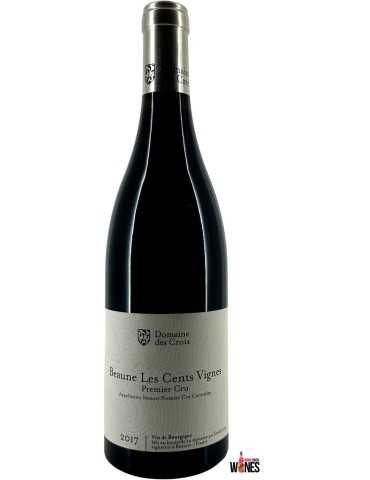
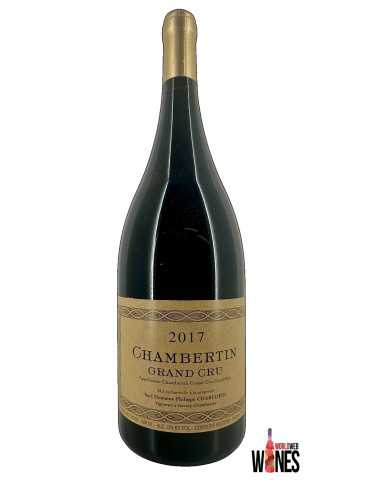
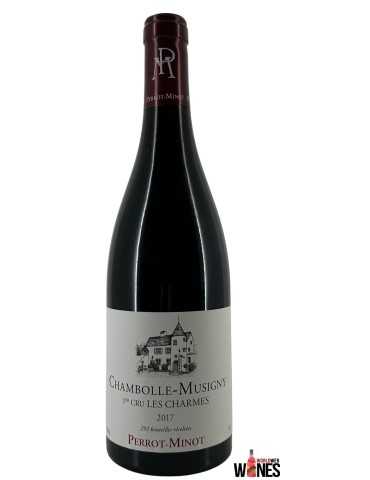
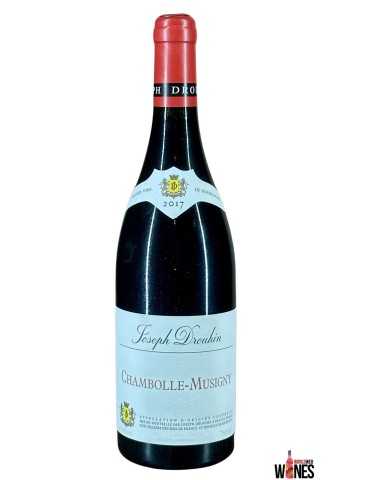
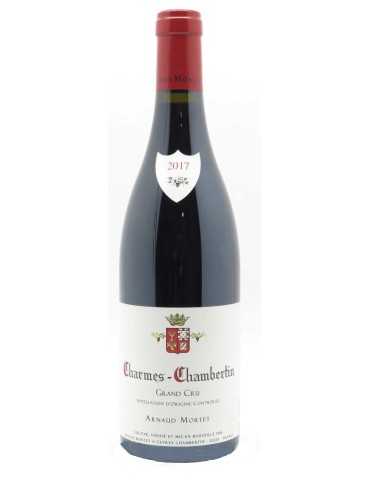
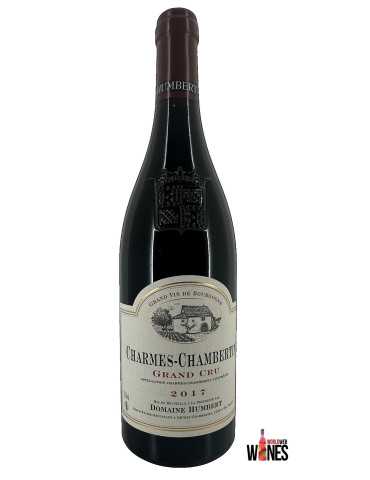
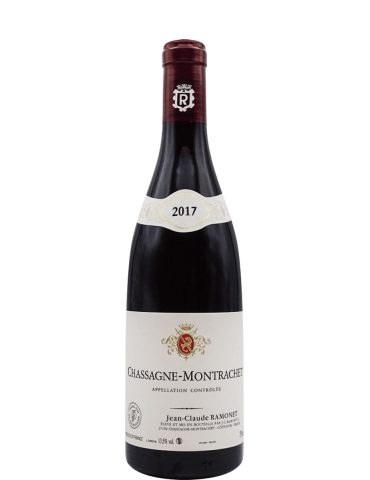
In Burgundy, 2017 marked the return of a more generous harvest after several years of small crops. The white wines display freshness, precision and beautiful minerality, while the reds are charming, supple and offer a remarkably pure expression of Pinot Noir.
Look for: Chablis, Meursault, Puligny-Montrachet, Chassagne-Montrachet, Gevrey-Chambertin, Vosne-Romanée and the region's most consistent producers.
Bordeaux 2017 — Careful Selection Makes All the Difference
In Bordeaux, spring frost severely affected several areas, particularly the Right Bank and many generic appellations. The great Left Bank terroirs, which were better protected, produced elegant, balanced and classically styled wines. Pessac-Léognan ranks among the vintage's greatest successes, both for its reds and its outstanding dry white wines.
Look for: Pessac-Léognan, Pauillac, Saint-Julien, Saint-Estèphe, Margaux, as well as the finest Pomerol and Saint-Émilion estates.
Spain and the Rhône Valley — The Vintage's Strongest Performers
In Spain, Rioja, Ribera del Duero and Priorat produced concentrated, expressive and consistently impressive wines. In the Rhône Valley, the Northern Rhône delivered elegant and precise Syrahs, while Châteauneuf-du-Pape confirmed another excellent vintage, with harmonious wines built for long ageing.
Look for: Rioja, Ribera del Duero, Priorat, Hermitage, Côte-Rôtie and the finest Châteauneuf-du-Pape.
Champagne, Germany and Italy — Excellent Opportunities from Leading Producers
Champagne produced fresh and precise wines despite a vintage that was less consistent than 2012. Germany's finest Rieslings impress with their purity and vibrant acidity, while the leading estates of Tuscany and Piedmont crafted balanced wines that are generally more approachable in their youth than those from the neighbouring great vintages.
Key Takeaways
Best buying opportunities: Pessac-Léognan, White Burgundy, Rioja, Châteauneuf-du-Pape, Northern Rhône and Ribera del Duero.
Also worth considering: Red Burgundy, Pauillac, Saint-Julien, Priorat and the finest German Rieslings.
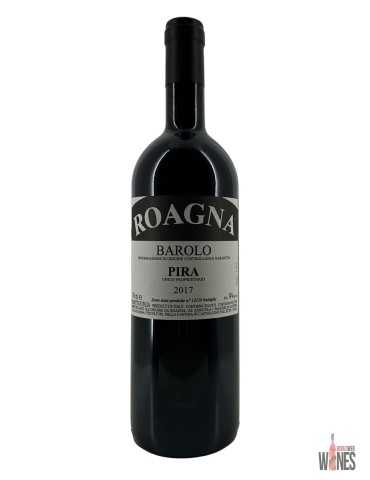
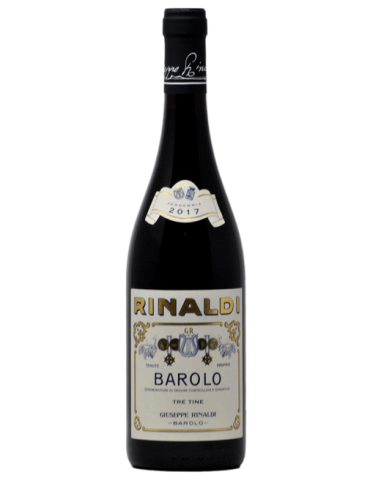
Select carefully: Saint-Émilion, Pomerol, Champagne, Tuscany and Piedmont, where differences between producers are more pronounced.
Vintage summary: The 2017 vintage proves that even a challenging growing season can produce outstanding wines when exceptional terroirs, careful selection and skilled winemaking come together.
Choosing a Bottle from the 2017 Vintage
Whether you're building a cellar, choosing a gift or looking for a birth-year bottle, the 2017 vintage will appeal to those who appreciate elegant, fresh and already expressive wines. The finest opportunities come from vineyards that escaped the spring frost and from the most meticulous producers, where the wines combine precision, balance and excellent ageing potential.