English
 Français

Wine and dessert pairings: choosing the ideal wine for every sweet course
Pairing wine and dessert can transform the end of a meal, provided a few essential balances are respected. As a general rule, the wine should be at least as sweet as the dessert, otherwise it may seem dry or harsh by comparison. Sweet wines, fortified wines, certain demi-sec Champagnes and naturally sweet wines therefore offer beautiful possibilities depending on the dessert’s texture, sweetness and aromatic intensity.
A fruit-based dessert often calls for freshness and tension; a creamy preparation needs a wine that combines richness with acidity; while chocolate, coffee or caramel require deeper wines with notes of ripe fruit, spice, cocoa or dried fruit.
Chocolate and coffee desserts
Chocolate and coffee desserts possess aromatic intensity, bitterness and often a dense texture that call for wines able to match them without fading into the background. The most successful pairings are generally built around sweet red wines or fortified wines, which are more naturally suited than most dry reds.
- Dark chocolate and Banyuls — A classic pairing, where notes of black fruit, cocoa and spice echo the depth of the chocolate.
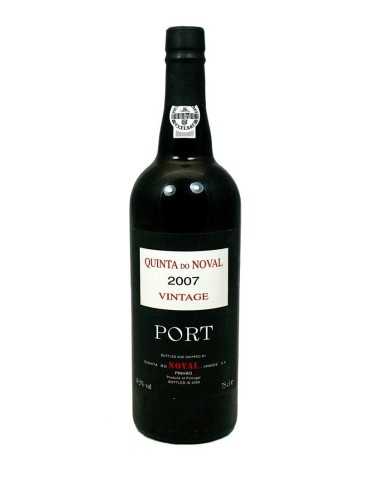
- Chocolate ganache and Vintage Port — The wine’s richness, concentrated fruit and structure pair beautifully with the most intense desserts.
- Coffee desserts and Tawny Port — Notes of walnut, caramel and dried fruit naturally extend the roasted character of coffee.
Fruit desserts
Fruit desserts call for wines that preserve the freshness of the fruit while accompanying its sweetness. The finest matches are often found among sweet white wines with lively acidity, capable of bringing brightness without weighing down the pairing.
- Apricot tart and Tokaji — Notes of candied fruit, honey and citrus respond elegantly to the sweetness and acidity of the fruit.
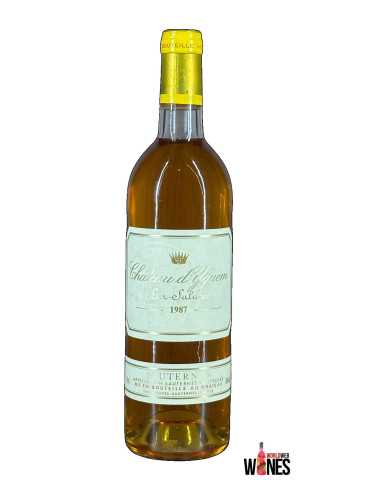
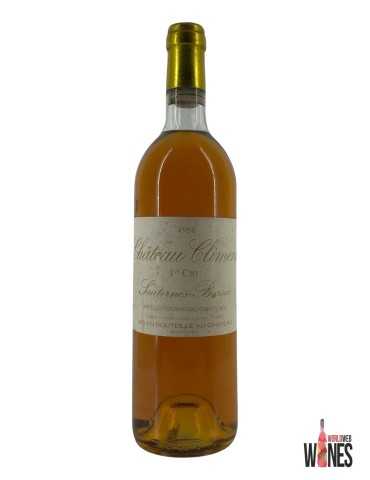
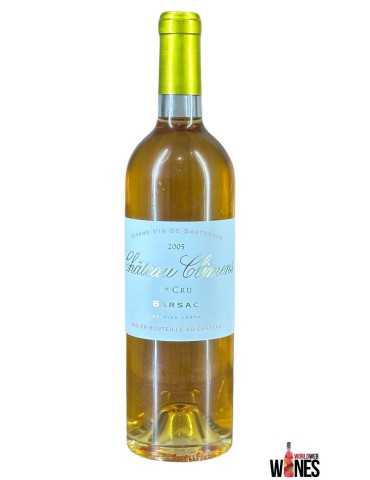
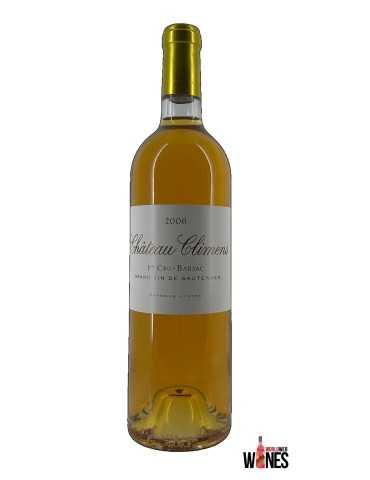
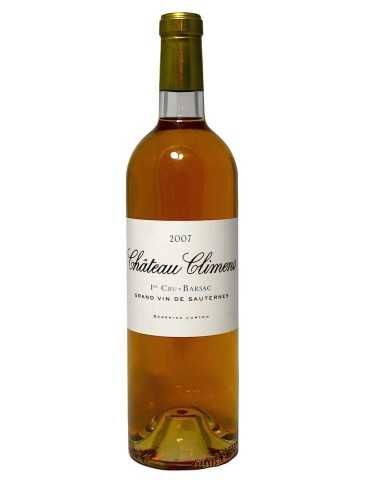
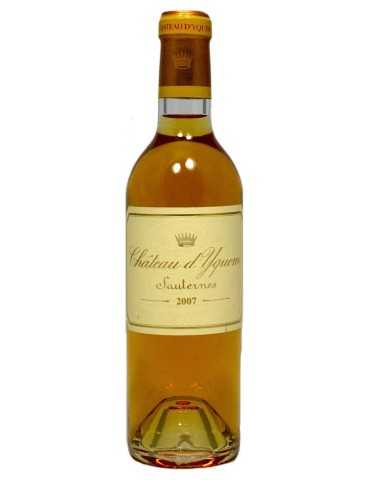
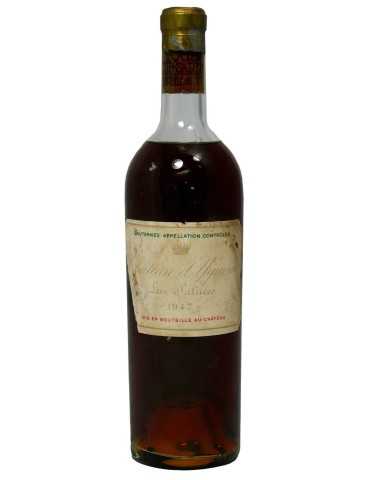
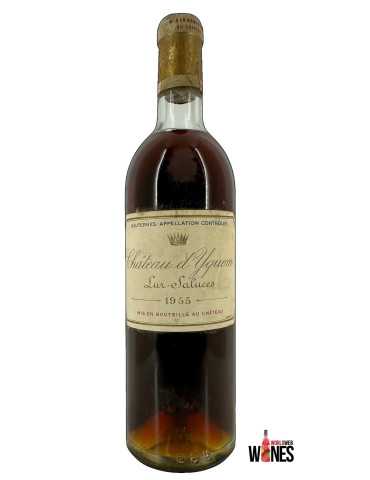
- Apple tart and Sauternes — A classic pairing built around honey, yellow fruit and gentle caramelisation.
- Fruit salad or citrus desserts and off-dry Riesling — Its freshness and acidity help preserve a lighter overall impression.
Red fruit tarts and light desserts
Red fruits require delicacy rather than power. Their natural acidity and aromatic freshness pair more gracefully with supple, fruity and lightly sweet wines than with wines that are too rich or too dry.
- Strawberry tart and rosé demi-sec Champagne — Bubbles, freshness and red-fruit notes extend the dessert with finesse.
- Raspberries and Moscato d’Asti — A light, floral and low-alcohol option that preserves the delicacy of the fruit.
- Red-fruit desserts and sweet rosé wine — A generous pairing when more fruit and roundness are desired.
Creamy desserts and custards
Desserts based on cream, vanilla or fresh cheese — such as crème brûlée, panna cotta or cheesecake — call for wines able to accompany their smooth texture without making the pairing feel heavy. The best matches combine breadth, freshness and measured sweetness.
- Crème brûlée and Sauternes — The wine’s honeyed richness mirrors the vanilla and caramel notes of the dessert.
- Cheesecake and late-harvest wine — Sweetness accompanies the creamy texture while retaining freshness.
- Panna cotta and Moscato d’Asti — A more airy, delicate and floral pairing.
Ice creams, sorbets and frozen desserts
Frozen desserts are delicate to pair, as cold temperatures mute aromas and heighten the perception of sweetness. It is best to choose expressive, fresh and sufficiently sweet wines, served with restraint so the overall impression remains balanced.
- Fruit sorbet and demi-sec Champagne — Bubbles and freshness prolong the dessert’s light character.
- Vanilla ice cream and Pedro Ximénez — A deeply indulgent pairing built around raisin, fig and caramel notes.
- Fruit ice cream and Moscato d’Asti — A delicate, fruity and airy option.
A few essential principles for successful pairings
- Choose a wine at least as sweet as the dessert — Otherwise, the wine may seem dry, acidic or unbalanced.
- Match intensity — A light dessert calls for a delicate wine; chocolate or coffee desserts require greater depth.
- Preserve freshness — Acidity is essential to balance sweetness and avoid heaviness.
- Consider texture — Sparkling wines pair beautifully with airy desserts, while richer wines suit creamy or caramelised preparations.
From dark chocolate to fresh fruit, from crème brûlée to sorbets, the finest wine and dessert pairings are built on the balance between sweetness, freshness, texture and aromatic intensity. Well chosen, the wine does more than accompany dessert: it extends its flavours and gives the end of the meal greater harmony.