English
 Français
Château Latour — First Growth of Pauillac
Château Latour is one of the great icons of the Médoc and one of the most respected names in Bordeaux. Located in Pauillac, facing the Gironde estuary, it embodies a vision of fine wine built on power, rigour, depth and an almost legendary capacity for ageing.
Classified as a First Growth in 1855, Château Latour holds a unique place among the great wines of Bordeaux. Its style is defined by a majestic structure, mineral tension, remarkable tannic precision and a longevity that places the finest vintages among the most sought-after bottles in the world.
Château Latour expresses Pauillac in its most architectural, profound and enduring form. The estate does not seek immediate opulence: it favours density, precision, the backbone of Cabernet Sauvignon and the restrained power that allows the wine to age with authority for decades.
History and identity of Château Latour
The history of Château Latour is deeply linked to that of the Médoc and the great growths of Pauillac. The estate takes its name from the former fortified tower that once marked the landscape of Saint-Lambert. This image of solidity and permanence still accompanies the château’s identity today.
Since its acquisition by Artémis, linked to the Pinault family, Château Latour has reinforced its approach to precision, selection and total control of quality. The estate is associated with the work of Frédéric Engerer, President of Artémis Domaines, and Hélène Génin, Technical Director, whose exacting standards continue the Latour style.
This identity is built on a strong idea: producing wines capable of expressing the depth of Pauillac with exceptional consistency. Latour is one of Bordeaux’s great models of rigour, controlled concentration and longevity.
A First Growth from 1855
The 1855 Classification placed Château Latour among the five First Growths of the Médoc. This distinction recognises the estate’s historical reputation, the consistency of its wines and their exceptional ability to age.
Among the great Pauillac wines, Latour stands apart through its controlled power, tannic depth and almost mineral dimension. Where some growths seduce through roundness or aromatic brilliance, Latour fascinates through structure, authority and its ability to gain complexity over several decades.
Terroir: the Enclos of Latour
The historic heart of Château Latour is the Enclos, an emblematic parcel located near the Gironde estuary. This terroir of deep gravel soils over a clay-limestone subsoil forms one of the estate’s great signatures and provides the foundation of the Grand Vin.
The gravel ensures remarkable natural drainage, while the clay and limestone at depth contribute water reserves, freshness and tension. This combination gives Latour its power, long-lined structure, depth and exceptional capacity for ageing.
Terroir expression: Pauillac, the Enclos, deep gravel soils, clay-limestone subsoil, Cabernet Sauvignon, graphite, cassis, cedar, mineral tension and great structure.
Château Latour signature: controlled power, precision, depth, noble tannins, tension, firmness, concentration and exceptional longevity.
Grape varieties and vineyard precision
The vineyard of Château Latour is dominated by Cabernet Sauvignon, the major grape variety of Pauillac, complemented by Merlot, Cabernet Franc and Petit Verdot. Cabernet Sauvignon gives the Grand Vin its backbone, tannic density, freshness and remarkable ageing capacity.
Vineyard work is based on a precise reading of each parcel, rigorous grape selection and a constant search for balance. Each lot is observed carefully in order to preserve the personality of the Enclos and express the restrained power of the terroir at its best.
Viticulture, vinification and exacting precision
For many years, Château Latour has carried out in-depth work around sustainable viticulture, parcel observation and soil quality. The aim is to produce grapes of great purity, perfectly ripe, capable of expressing the depth of the terroir without excess maturity.
Vinification is carried out lot by lot, with particular attention paid to parcel origin, grape ripeness and extraction balance. The goal is not raw power, but precise structure, noble texture and lasting depth.
Ageing supports this natural architecture of the wine. It refines the tannins, stabilises the structure and gradually reveals aromatic depth without masking the identity of Pauillac or the singularity of the Enclos.
Structure: deep, firm, dense, precise and built for very long ageing.
Aromatic expression: cassis, black fruit, graphite, cedar, blond tobacco, fine spices, noble leather and mineral notes.
Texture: powerful yet noble tannins, dense matter, Médoc freshness and imposing length.
Personality: a monumental, rigorous, profound and sovereign Pauillac whose greatness is fully revealed with time.
Style of the wines
The style of Château Latour is defined by a structure of almost architectural precision. The Grand Vin often expresses aromas of cassis, black fruit, graphite, cedar, blond tobacco and spices, carried by a dense, firm and deeply structured palate.
With time, the greatest bottles develop nuances of noble leather, undergrowth, pencil lead, truffle and softened spices. Latour’s strength lies in its ability to preserve freshness, tension and authority, even after several decades of ageing.
Emblematic cuvées
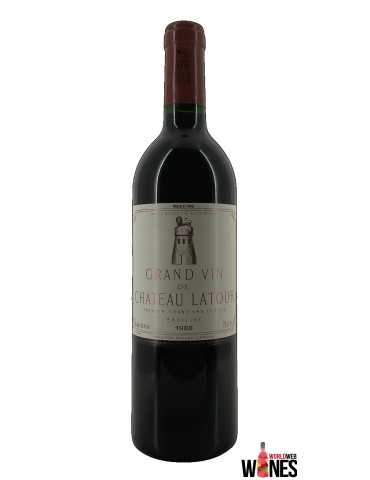
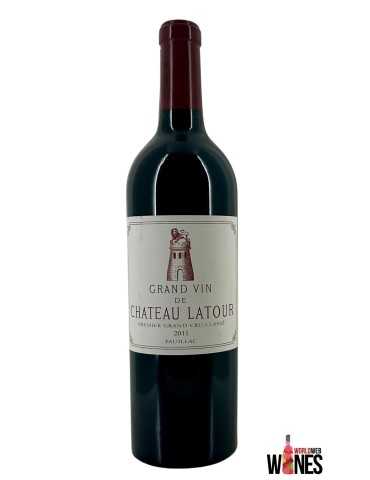
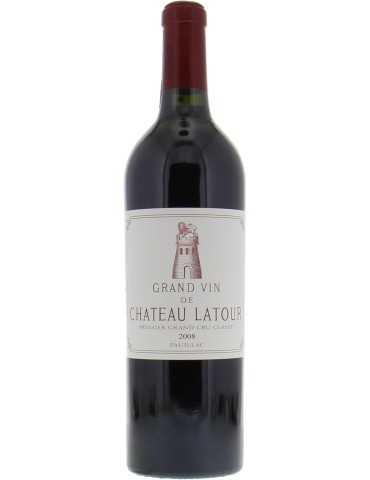
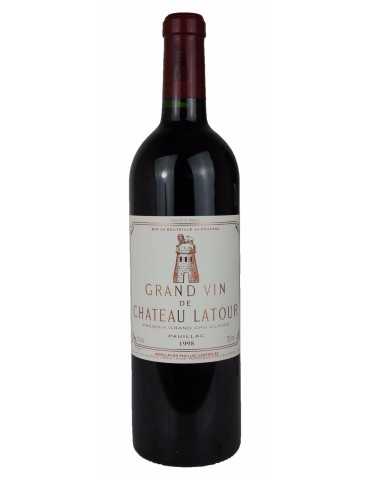
Château Latour — Grand Vin: a First Growth and the most complete expression of the Enclos. It combines depth, controlled power, mineral tension, noble tannins and exceptional ageing potential.
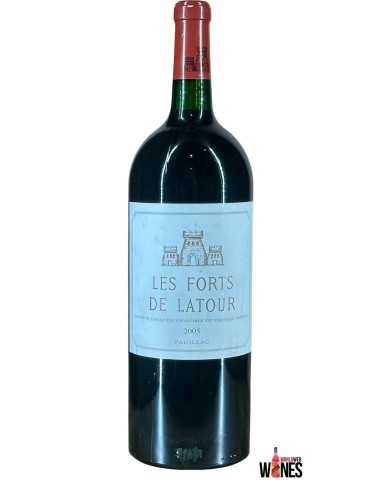
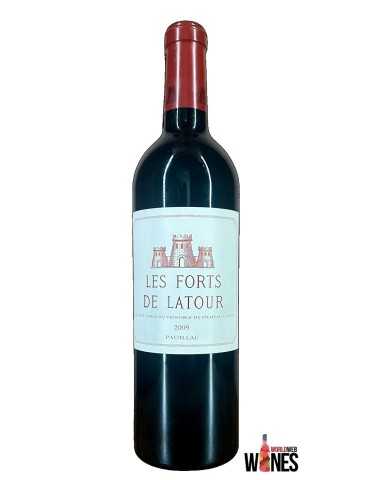
Les Forts de Latour: a second wine of very high level, structured, precise and deeply marked by the estate’s identity. It offers a more accessible reading of the Latour universe while retaining the rigour and depth of the style.
Pauillac de Latour: the estate’s third wine, more immediate, yet still built around freshness, precision and the classic signature of Pauillac.
Great vintages and longevity
Château Latour belongs to the great wines capable of evolving for several decades. The finest years combine density, freshness, tannic precision and aromatic depth, with a unique ability to preserve structure and authority over time.
Among the most sought-after historical and modern vintages are 1899, 1949, 1959, 1961, 1966, 1982, 1990, 1996, 2000, 2003, 2005, 2009, 2010, 2016 and 2018. Depending on storage conditions, the greatest bottles can achieve exceptional longevity while retaining the firmness that defines the Latour style.
Region: Bordeaux, Médoc, Pauillac
Château: Château Latour
Classification: First Growth in 1855
Ownership: Artémis Domaines, Pinault family
Management: Frédéric Engerer
Technical direction: Hélène Génin
Vineyard area: approximately 78 hectares
Historic core: the Enclos of Latour
Red grape varieties: Cabernet Sauvignon dominant, with Merlot, Cabernet Franc and Petit Verdot
Second wine: Les Forts de Latour
Third wine: Pauillac de Latour
Style: powerful, deep, firm, mineral, structured, precise and exceptionally long-lived.
In summary: Château Latour is one of the great icons of Pauillac, a First Growth whose identity is built on the depth of the Enclos, the precision of Cabernet Sauvignon, controlled power and legendary longevity.
Dominant aromas: cassis, black fruit, graphite, cedar, blond tobacco, pencil lead, noble leather, truffle, fine spices and a long mineral finish.
Available bottles of Château Latour
Discover our current selection of Château Latour: mature vintages, great years, rare bottles, Les Forts de Latour and bottles intended for lovers of fine Pauillac wines. Each bottle should be chosen according to its vintage, condition, fill level, provenance and tasting potential.