English
 Français

Vintage Brut Champagne, the excellence of great years
Vintage Brut Champagne is one of the noblest expressions of Champagne. Made exclusively from a single harvest, it reflects the personality of a great year, the precision of the terroir and the expertise of the house or grower. Rare, deep and often built for ageing, it appeals to lovers of fine sparkling wines, collectors and enthusiasts of characterful cuvées.
Buying Vintage Brut Champagne online requires attention to the vintage, the house, provenance, style and ageing potential. World Web Wines offers a carefully curated selection of Vintage Brut Champagnes available in Switzerland, including great years, iconic houses, prestige cuvées and bottles ready to enjoy or cellar.
Vintage Brut Champagne is not designed to reproduce a consistent style from year to year. Instead, it reveals the singularity of a vintage: its ripeness, freshness, depth, balance and ageing potential. This strong identity makes it a Champagne of choice for major occasions, gastronomic meals and collectors’ cellars.
What is Vintage Brut Champagne?
Unlike non-vintage Champagne, which is blended from several years to preserve a regular house style, Vintage Brut Champagne comes from a single harvest. It is generally produced only when the quality of the grapes allows the character of a remarkable year to be expressed with accuracy.
This style highlights the personality of the vintage, as well as the blending choices, time spent ageing on lees, precision of the dosage and the signature of the house. A great Vintage Brut should offer freshness, depth, aromatic complexity and length on the palate.
The qualities of a great Vintage Brut Champagne
Vintage Brut Champagnes stand out for their more assertive structure, greater depth and often stronger ageing potential than non-vintage cuvées. Their appeal lies both in their immediate balance and in their ability to evolve beautifully over time.
Expression of a single year: each vintage brings its own signature, shaped by tension, ripeness, richness, freshness or aromatic depth.
Extended ageing: the best Vintage Brut Champagnes often spend many years on lees, developing notes of brioche, dried fruits, honey, chalk, sweet spices and fine pastry.
Complexity and depth: more structured than many non-vintage Champagnes, they offer a broad, precise and persistent palate.
Rarity and prestige: produced in limited quantities, they are particularly sought after by connoisseurs, collectors and lovers of great cuvées.
Great Champagne vintages
Some years have shaped the recent history of Champagne through their balance, intensity or ageing ability. The choice of vintage is therefore essential, especially for a bottle intended for a major occasion, a prestigious gift or a personal cellar.
2012: dense, precise and balanced, with beautiful depth and a complete profile.
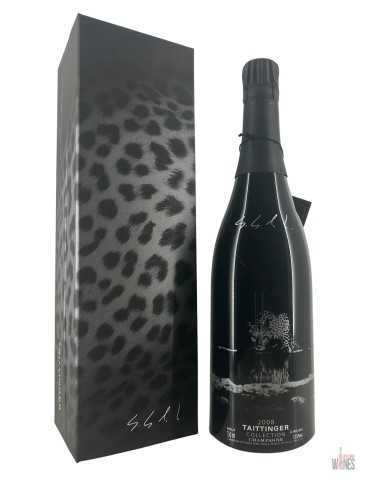
2008: great purity, crystalline acidity and remarkable ageing potential.
2002: rich, harmonious and generous, often regarded as one of the most complete vintages.
1996: tension, legendary freshness and outstanding longevity.
Older vintages: 1990, 1989, 1985, 1979 or 1976 can offer evolved, rare and deeply complex profiles depending on storage conditions.
Iconic houses and benchmark cuvées
The great Champagne houses each offer their own interpretation of the vintage. Some focus on tension and precision, others on power, vinosity, elegance or depth for ageing. The choice of producer is therefore as important as the choice of year.
Krug: depth, complexity and a masterful interpretation of great years.
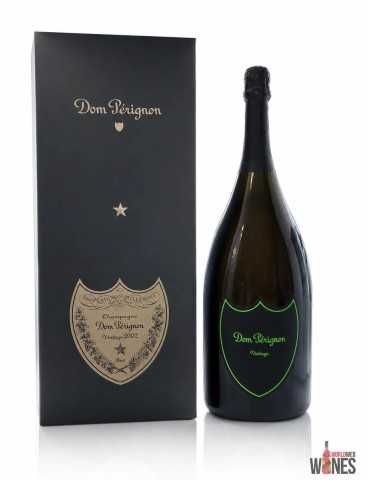
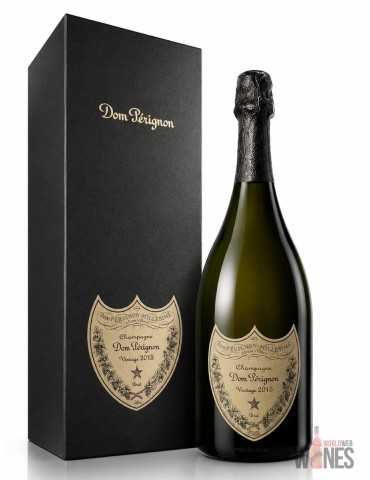
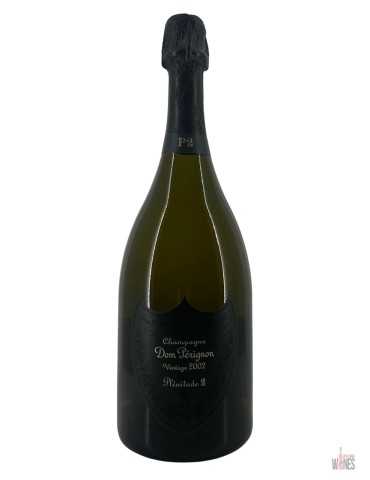
Dom Pérignon: finesse, aromatic precision and iconic vintage expression.
Salon: a rare Blanc de Blancs produced only in the greatest years.
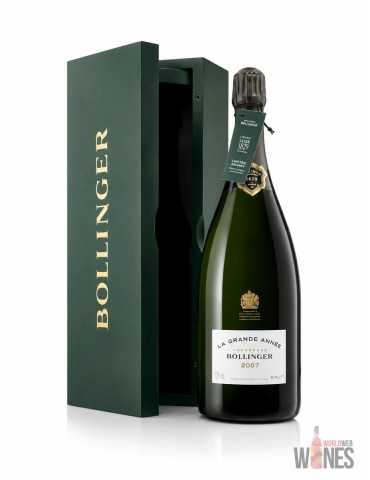
Bollinger: powerful, structured, vinous and gastronomic in style.
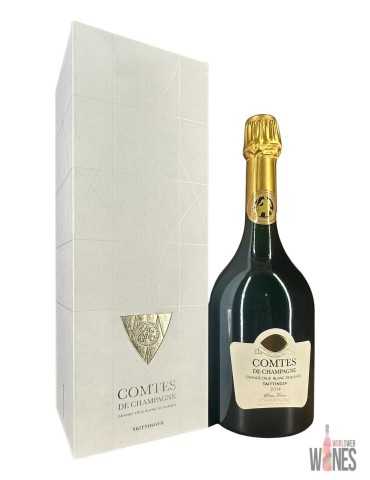
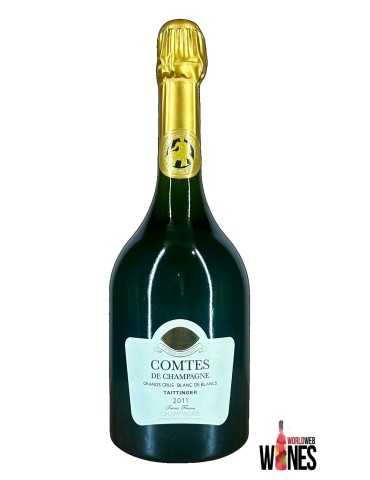
Taittinger Comtes de Champagne: elegance, purity and a great Chardonnay signature.
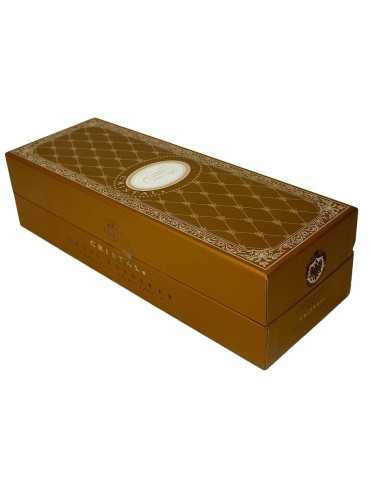
Louis Roederer Cristal: precision, refinement, depth and prestige.
For a major occasion: choose an iconic house, a renowned vintage or a prestige cuvée.
For a gastronomic meal: select a structured, vinous and precise Vintage Brut capable of pairing with refined dishes.
For a prestigious gift: Dom Pérignon, Cristal, Bollinger, Krug or Taittinger Comtes de Champagne offer strong symbolic value.
For cellaring: look for great vintages, rare cuvées and well-stored bottles with true ageing potential.
Food pairings with Vintage Brut Champagne
Thanks to its depth, freshness and complexity, Vintage Brut Champagne pairs with refined cuisine well beyond the aperitif. It can support delicate textures, saline flavours, creamy dishes and more gastronomic preparations.
Seafood and caviar: oysters, scallop tartare, Oscietra caviar or noble shellfish.
Noble fish: turbot, sole, Arctic char or fish served with a light sauce.
Gastronomic cuisine: truffled poultry, pan-seared foie gras, risotto, morels or creamy dishes.
Aged cheeses: mature Comté, Parmesan, Alpine Gruyère or pressed cheeses.
Japanese cuisine: sushi, sashimi, tempura or delicate fish-based preparations.
How to choose a Vintage Brut Champagne
The choice of a Vintage Brut Champagne depends on the intended use: immediate enjoyment, gastronomic dinner, high-end gift or long-term cellaring. The vintage sets the tone, but the house, style and storage conditions remain decisive.
To drink now: choose a vintage that has already evolved, with mature aromatics and an integrated mousse.
For gastronomy: favour a structured, precise and sufficiently deep cuvée to accompany a full meal.
For gifting: select a renowned house, a prestigious vintage or an iconic cuvée.
For collecting: look for great years, limited productions, prestige cuvées and bottles with strong ageing potential.
A curated selection available with delivery in Switzerland
World Web Wines offers a selection of Vintage Brut Champagnes available online with delivery in Switzerland. It brings together bottles chosen for their authenticity, provenance, balance and genuine tasting interest: great years, prestige cuvées, iconic houses, older vintages and collectible Champagnes.
Explore our selection of Vintage Brut Champagnes to find a bottle suited to a major occasion, a gastronomic meal, a prestigious gift or a personal cellar.
Our promise: a clear and demanding selection of Vintage Brut Champagnes, designed to help you choose the right bottle according to the vintage, the house, the occasion, the ageing potential and the emotion you are looking for.