English
 Français

2003 Vintage — A Solar, Powerful and Deeply Atypical Year
Buying a 2003 wine means choosing one of the most singular vintages of the early twenty-first century. Marked by a historic heatwave in Europe, the year produced very ripe, powerful, concentrated and often unusual wines. The best bottles can be spectacular, but the vintage requires rigorous selection.
The most convincing purchases are found among great wines from Bordeaux, especially in the northern Médoc, the Rhône Valley, Napa Valley and selected leading producers in Piedmont. Burgundy and Champagne should be approached with greater caution, as the style of the vintage is highly atypical in both regions.
For the safest purchases, favour a great 2003 Bordeaux from Saint-Estèphe or Pauillac, a great northern Rhône Syrah, a Châteauneuf-du-Pape from a benchmark estate, a Napa Valley Cabernet Sauvignon or a Barolo from a leading producer. In Burgundy and Champagne, buy only clearly identified cuvées with impeccable provenance and storage.
The strongest choices: great Bordeaux from the northern Médoc, northern Rhône, Châteauneuf-du-Pape, Napa Valley Cabernet Sauvignon.
Best for lovers of power: Saint-Estèphe, Pauillac, Hermitage, Côte-Rôtie, great Californian Cabernets.
Best for an original anniversary bottle: Bordeaux 2003, Rhône 2003, old-vine Barolo, 2003 Champagne from a leading house.
Check before buying: provenance, fill level, colour, cork, capsule, wine balance and storage conditions.
What is the style of 2003 wines?
2003 is a solar, rich and extreme vintage. The wines are often marked by very high ripeness, strong concentration, broad textures and sometimes elevated alcohol. At their best, they offer power, depth and character; at their weakest, they can lack freshness or have evolved more rapidly. It is therefore a year to choose with discernment, favouring terroirs able to preserve balance.
Bordeaux 2003: an atypical, powerful and highly sought-after vintage
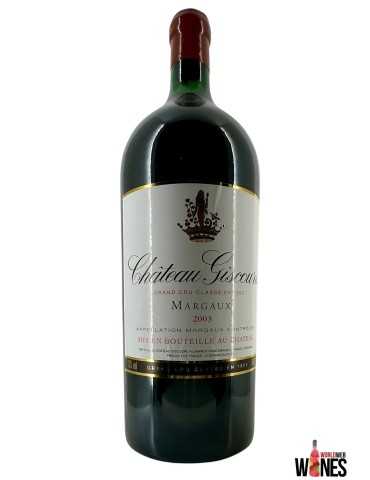
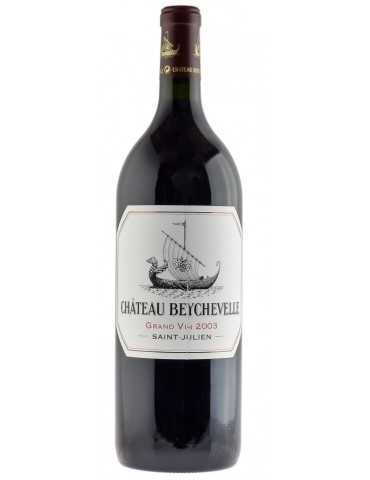
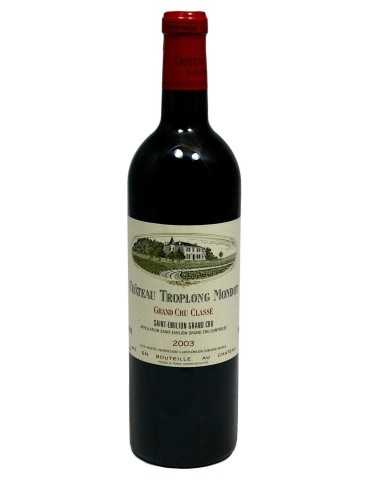
In Bordeaux, 2003 is an exceptional and unusual vintage. The intense heat produced very ripe, rich, dense and sometimes impressive wines, but balance varies greatly depending on terroir. The finest successes are found mainly in the northern Médoc, notably in Saint-Estèphe and Pauillac, where soils and top estates were better able to frame the power of the vintage.
The best 2003 Bordeaux can now offer notes of very ripe blackcurrant, black fruit, cedar, tobacco, leather, spice and sometimes truffle. These are characterful bottles, more solar than classical, to be favoured from great châteaux with excellent storage history.
To favour: Saint-Estèphe, Pauillac, great Médoc classified growths, selected well-balanced Margaux and Pessac-Léognan.
Best for: lovers of powerful, solar and concentrated Bordeaux.
Buying priority: very high for great châteaux from the northern Médoc.
Rhône Valley 2003: extreme concentration and great selective successes
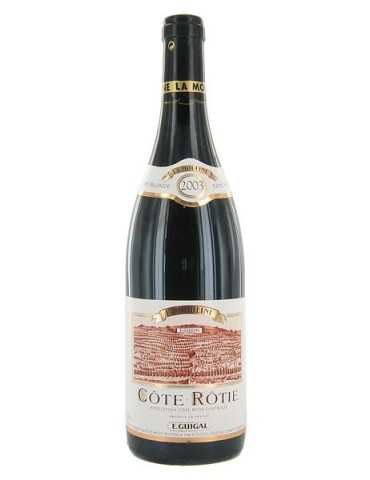
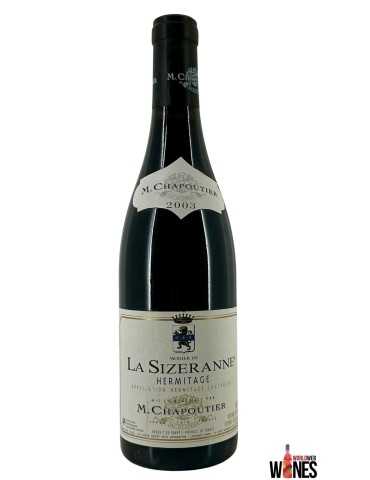
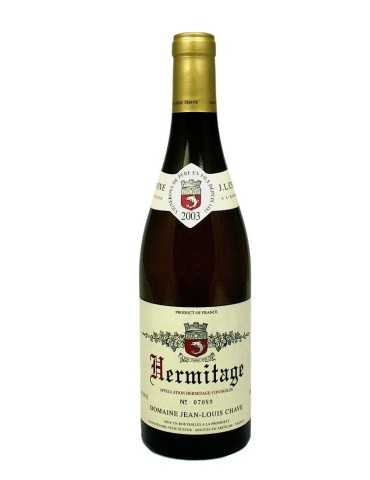
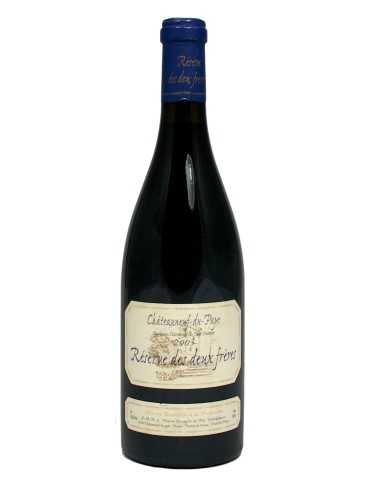
In the Rhône Valley, 2003 produced very rich, ripe and concentrated wines. The northern Rhône delivered some impressive Syrahs, especially from the great terroirs of Hermitage, Côte-Rôtie and Cornas. The southern Rhône also produced powerful and solar wines, notably in Châteauneuf-du-Pape.
The best 2003 Rhône wines can evoke candied black fruit, pepper, liquorice, garrigue, leather, smoked meat and spice. Selection is essential: some bottles have aged very well, while others may now seem heavy or tired.
To favour: Hermitage, Côte-Rôtie, Cornas, Châteauneuf-du-Pape, historic benchmark estates.
Best for: lovers of powerful, spicy, solar and gastronomic reds.
Buying priority: high, but strongly dependent on estate and storage condition.
Napa Valley 2003: concentration and depth for Cabernet Sauvignon
In Napa Valley, 2003 produced fine successes for Cabernet Sauvignon. Low yields and concentrated berries favoured deeply coloured, ripe, intense and structured wines. The best estates produced bottles of depth, expression and continued interest today.
Great 2003 Cabernets can offer notes of blackcurrant, blackberry, cedar, chocolate, tobacco, spice and graphite. As always with mature Californian wines, estate style and provenance are essential.
To favour: Napa Valley Cabernet Sauvignon, great Bordeaux-style blends, benchmark estates.
Best for: lovers of ripe, dense and structured American Cabernets.
Buying priority: high from serious producers, with impeccable provenance.
Piedmont 2003: heat, power and selection of great terroirs
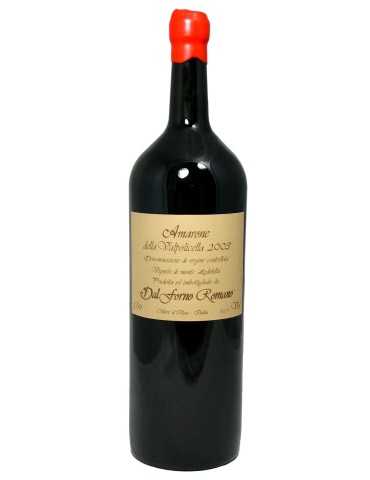
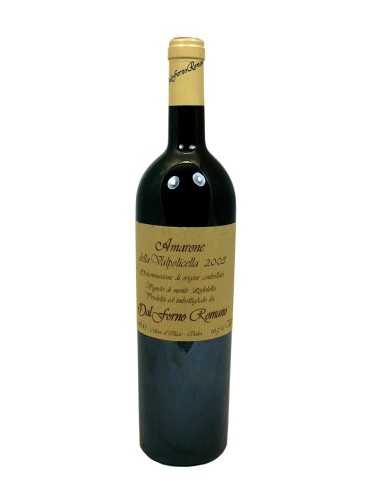
In Piedmont, 2003 was also marked by extreme heat. Barolo and Barbaresco can be rich, ripe and opulent, but the balance is not always classical. The best results generally come from old vines, great terroirs and producers able to preserve structure and freshness.
The best 2003 Nebbiolo can offer notes of ripe fruit, dried rose, leather, liquorice, tobacco, spice and sometimes truffle. The style is more solar and broader than in Piedmont’s great classical vintages.
To favour: Barolo, Barbaresco, old vines, leading producers, bottles with clear provenance.
Best for: lovers of ripe, powerful and atypical Nebbiolo.
Buying priority: selective, especially interesting from benchmark estates.
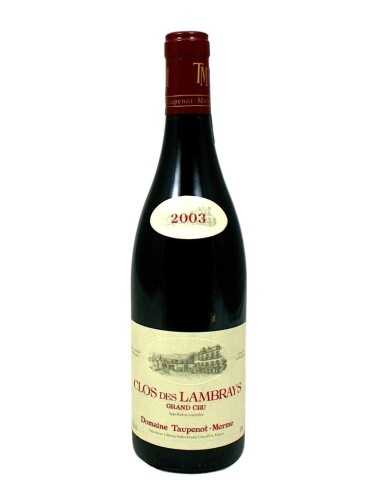
Burgundy 2003: an unusual year to choose with caution
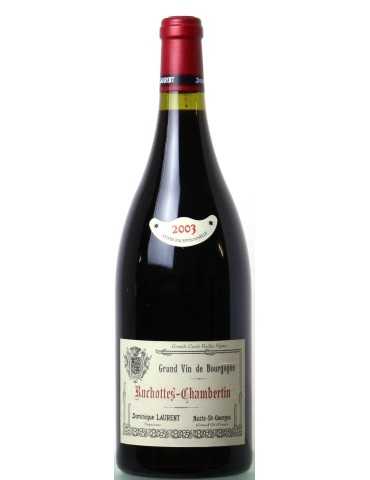
In Burgundy, 2003 is a highly atypical year. Extreme heat and low yields produced rich, ripe and concentrated reds, but not always wines that reflect Burgundy’s classical finesse. The best bottles can offer an original experience, but selection must be strict.
White Burgundies from 2003 should be approached with even greater caution. The vintage often lacks the tension found in great classical years, and only perfectly stored bottles from reliable producers deserve particular attention.
To favour: great red wines from the Côte de Nuits, benchmark estates, perfectly stored bottles.
Best for: lovers of atypical, ripe and solar Burgundy.
Buying priority: selective; particular caution for whites.
Champagne 2003: an atypical, rich and unconventional vintage
In Champagne, 2003 is a highly atypical vintage. Spring frosts followed by a heatwave summer reduced yields and produced very ripe grapes with unusual balances. 2003 Champagnes are often rich, broad, solar and less fresh than in great classical vintages.
Some cuvées can be interesting for lovers of opulent and singular Champagnes, but 2003 should not be presented as a great classical Champagne year. Selection must be made house by house, cuvée by cuvée.
To favour: leading houses that declared the vintage, clearly identified cuvées, well-stored bottles.
Best for: lovers of rare, solar and atypical Champagne.
Buying priority: selective, more out of curiosity than as a classical reference.
Buying and serving a 2003 bottle
Buying a 2003 wine can be very interesting for a birth year, an anniversary or a tasting focused on an extreme vintage. The best choices are found among great Bordeaux from the northern Médoc, great northern Rhône Syrah, selected Châteauneuf-du-Pape, the finest Napa Valley Cabernets and a few great old-vine Nebbiolo.
Before buying, check provenance, fill level, colour, cork condition and storage history. Before serving, avoid excessive aeration: some 2003 wines can be powerful yet already fragile because of lower acidity. Serve reds slightly cool to preserve balance.
2003: an extreme, solar and fascinating vintage when well chosen
The 2003 vintage is unlike any other. It produced powerful, ripe and sometimes spectacular wines, but also bottles whose balance can be more fragile. The most convincing purchases concern Bordeaux, the Rhône Valley, Napa Valley and selected great wines from Piedmont.
To offer or enjoy a solar, original and characterful bottle, discover our selection of 2003 wines and choose the cuvée best suited to your occasion, your taste and your expectations for bottle condition.