English
 Français
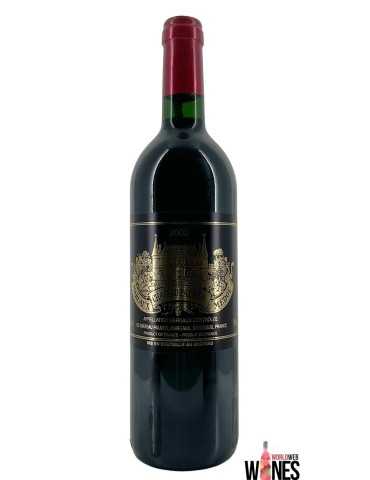
210.00 CHF

France • Bordeaux • Médoc • Margaux • Cabernet Sauvignon • Elegance
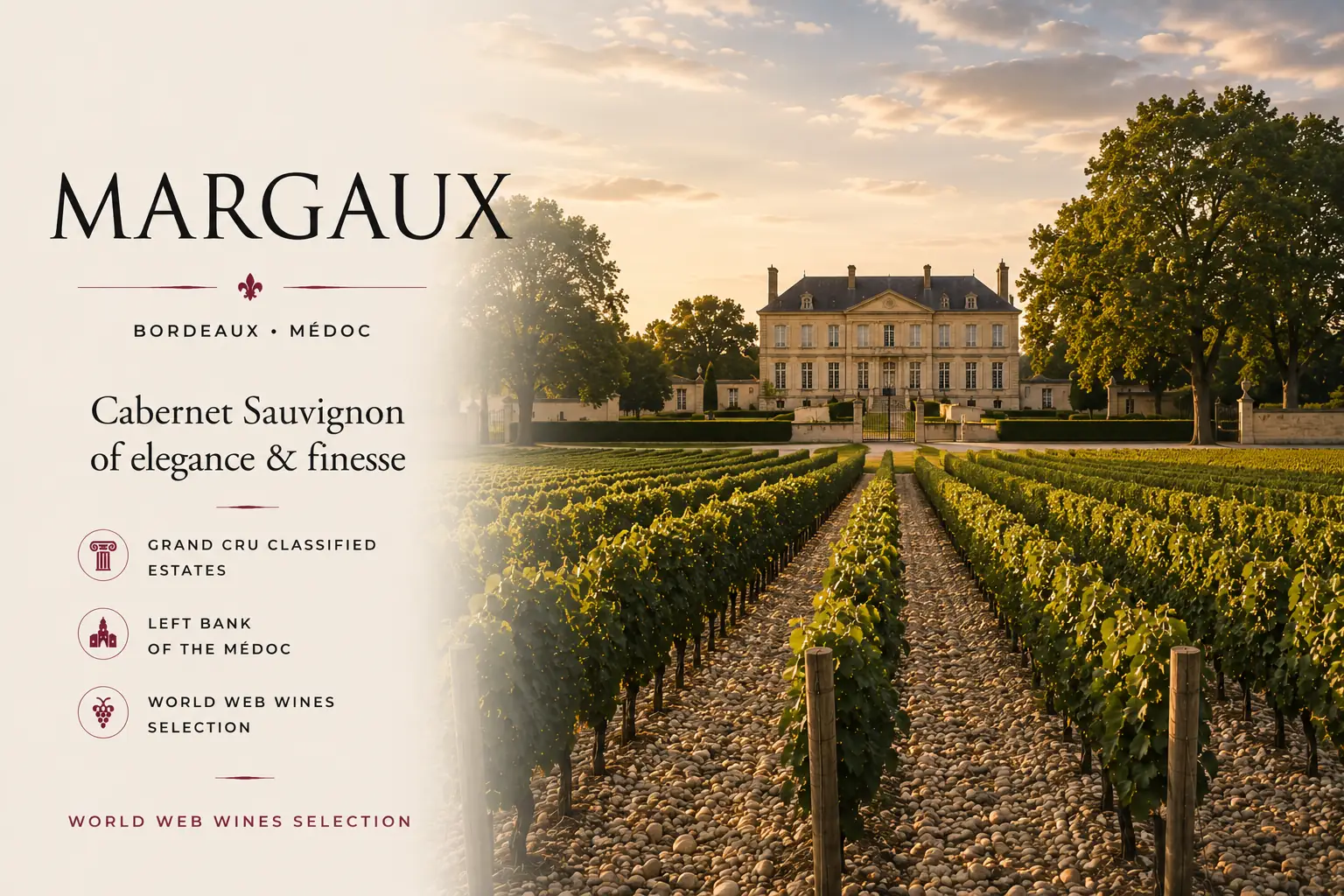
Margaux: Médoc finesse, classified growths and age-worthy elegance
Located in the southern Médoc, on the Left Bank of Bordeaux, Margaux is one of the most refined expressions of great Bordeaux wines. The appellation is renowned for elegant, perfumed and silky red wines, where Médoc structure is expressed with a particularly delicate touch.
Crowned by the legendary Château Margaux, a Premier Grand Cru Classé in 1855, the appellation brings together a remarkable concentration of classified growths and historic estates. The finest Margaux wines seduce through balance, aromatic precision, delicate texture and the ability to age with grace.
The spirit of Margaux
Margaux is often considered the most elegant face of the Médoc. Its wines combine Cabernet Sauvignon, deep gravel soils, floral perfume, fine tannins and great harmony. Their greatness does not rely on raw power, but on precision, delicacy, length and the ability to evolve with nobility.
A terroir of gravel, finesse and balance
The terroir of Margaux is mainly based on deep gravel rises, complemented in some sectors by sand, clay and limestone subsoils. These poor, well-drained soils encourage deep vine rooting, slow Cabernet Sauvignon ripening and a particularly refined expression of great Médoc reds.
Cabernet Sauvignon: structure, freshness, length, blackcurrant, cedar and ageing potential.
Merlot: roundness, flesh, ripe fruit and balance in the blend.
Cabernet Franc and Petit Verdot: aromatic finesse, floral notes, tension, colour and spice depending on the estate.
The style of Margaux wines
Margaux red wines are defined by perfume, silky texture and balance. They often evoke blackcurrant, violet, red fruits, cedar, sweet spices and sometimes a very delicate floral note. With age, great vintages develop nuances of blond tobacco, fine leather, undergrowth, truffle and dried flowers.
Young: black fruit, red fruit, violet, cedar, freshness and fine tannins.
At maturity: blond tobacco, fine leather, truffle, undergrowth, dried flowers and a more polished texture.
Signature: Médoc elegance built on finesse, harmony and discreet depth.
Châteaux, classified growths and major names
Margaux counts 21 classified growths in the 1855 Classification, one of the highest concentrations of classified estates in the Médoc. Château Margaux dominates the appellation as a Premier Grand Cru Classé, alongside major names such as Palmer, Rauzan-Ségla, Brane-Cantenac, Giscours, Malescot Saint-Exupéry, Lascombes, d’Issan, Cantenac Brown and Durfort-Vivens.
Premier Grand Cru Classé: Château Margaux, the absolute symbol of finesse, nobility and longevity.
Other great names: Palmer, Rauzan-Ségla, Brane-Cantenac, Giscours, Lascombes, Malescot Saint-Exupéry, d’Issan and Cantenac Brown.
Identity: elegant, perfumed and profound red wines capable of very graceful cellar evolution.
Which Margaux should you choose?
For a gift
Château Margaux, Palmer, a classified growth or a mature vintage with immediate prestige.
For the table
A mature Margaux with veal, roast lamb, duck, pigeon, mushrooms or truffle.
For ageing
A great estate, balanced vintage, serious provenance or large format to keep in the cellar.
The World Web Wines advice
For an elegant gift, Margaux is one of the most refined choices in Bordeaux. For drinking, favour mature vintages that reveal the appellation’s full aromatic finesse. For ageing, choose classified growths, great estates, balanced vintages and bottles with serious provenance.
Margaux vintages: ready to drink or to keep?
Great Margaux wines evolve with finesse. Their Médoc structure, often silkier rather than powerful tannins, and aromatic balance allow them to age for a long time, while sometimes offering a more accessible drinking window than more austere Médoc appellations. The right time to open a bottle always depends on the château, the vintage, the format and the quality of storage.
Ready to drink now: 1961, 1979, 1982, 1983, 1985, 1986, 1989, 1990, 1995, 1996, 1999 and 2001, depending on the estate and storage quality. These vintages often show evolved notes of blond tobacco, fine leather, undergrowth, truffle, dried flowers, cedar and melted dark fruit.
Drink or keep: 2000, 2005, 2008, 2009, 2012 and 2014. Classified growths can continue to evolve, while some bottles are already beginning to reveal beautiful harmony, especially after appropriate opening.
To keep: 2010, 2015, 2016, 2018, 2019, 2020 and 2022. These vintages remain young for great Margaux wines and often deserve further cellaring to gain complexity, texture and aromatic depth.
Food pairings with Margaux
Thanks to their finesse and balance, Margaux wines pair beautifully with veal, roast lamb, precisely cooked beef, duck, pigeon, wild mushrooms, truffle-based dishes and mature cheeses. Older vintages allow more delicate pairings around refined jus, melting textures and elegant classic cuisine.
Buy Margaux wines online
World Web Wines offers a selection of Margaux wines available online with delivery in Switzerland. Our range brings together classified growths, recognised estates, mature vintages, large formats and bottles selected for their provenance, balance, finesse and genuine drinking interest.
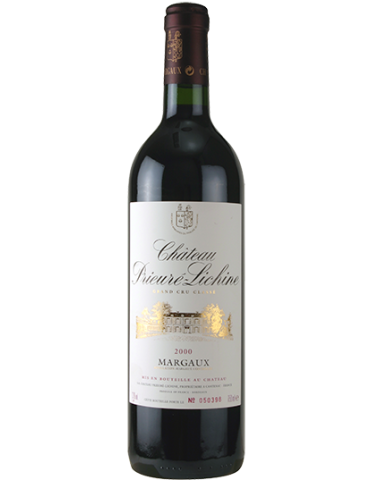
64.00 CHF
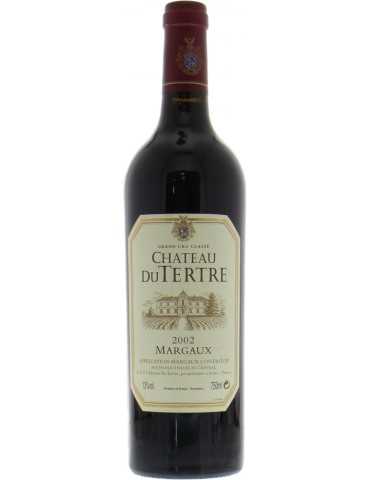
42.00 CHF
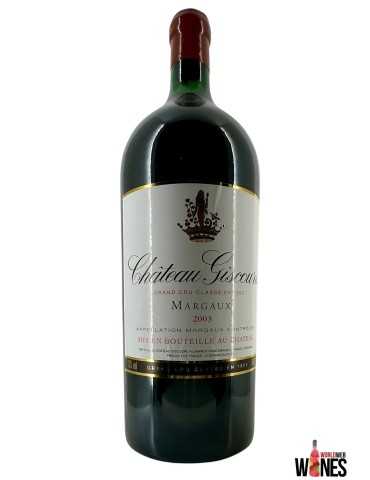
702.00 CHF
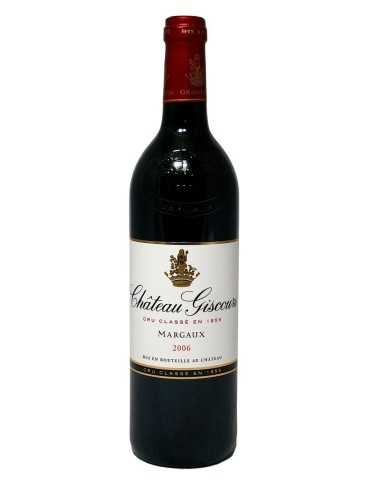
60.00 CHF
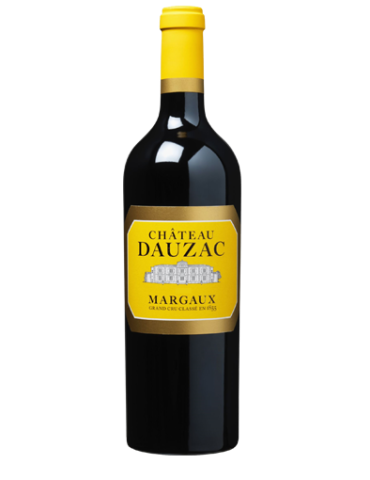
48.00 CHF
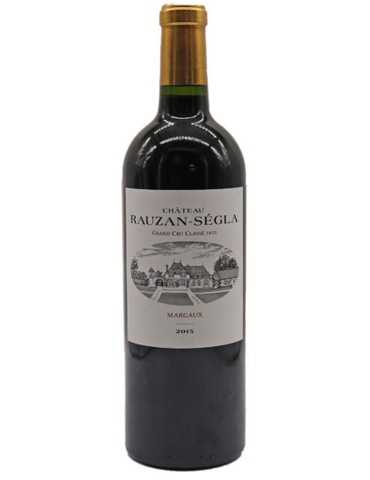
108.00 CHF
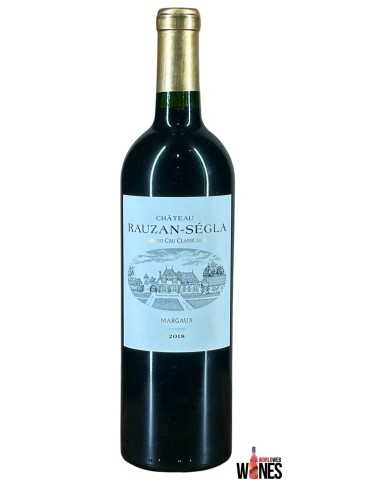
102.00 CHF
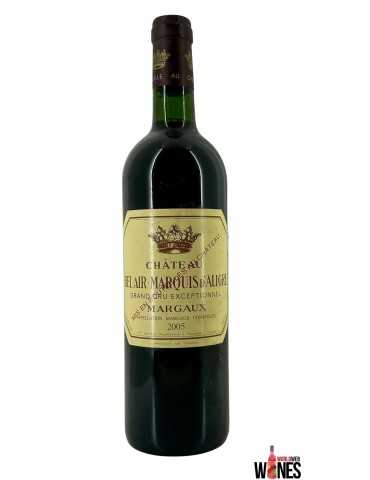
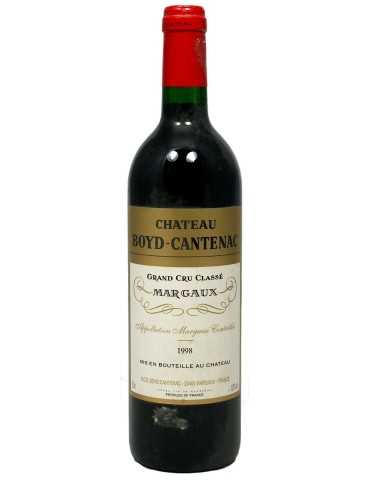
57.00 CHF
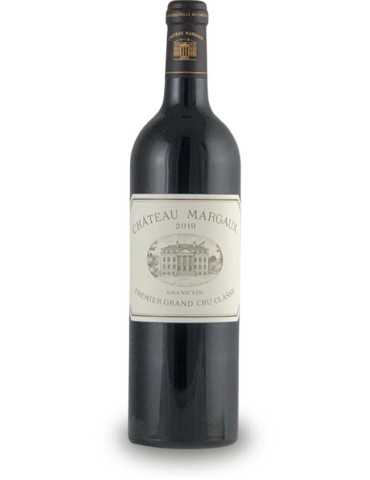
583.00 CHF
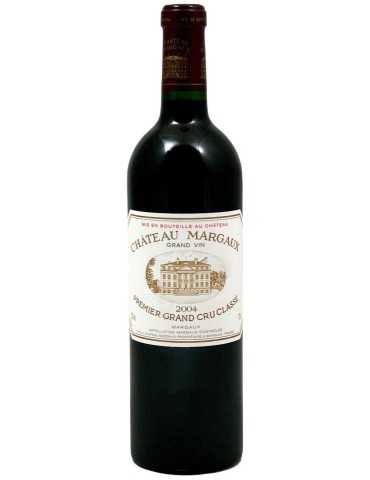
426.00 CHF
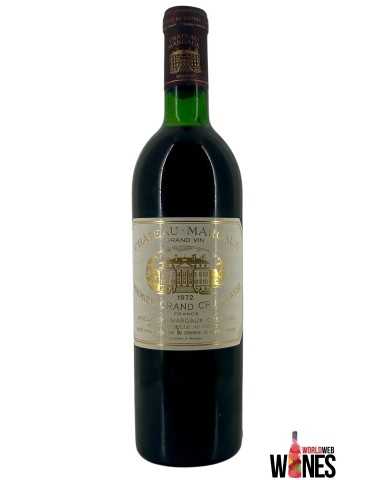
324.00 CHF
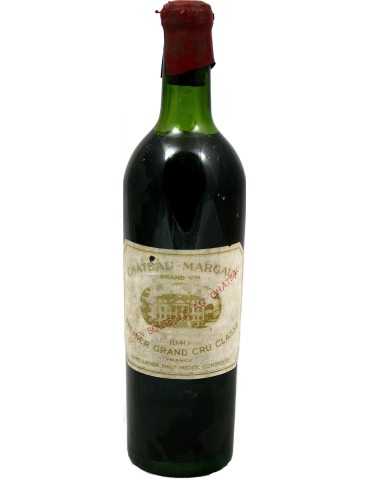
702.00 CHF
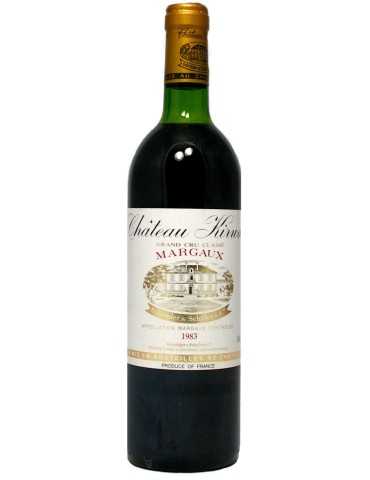
64.00 CHF
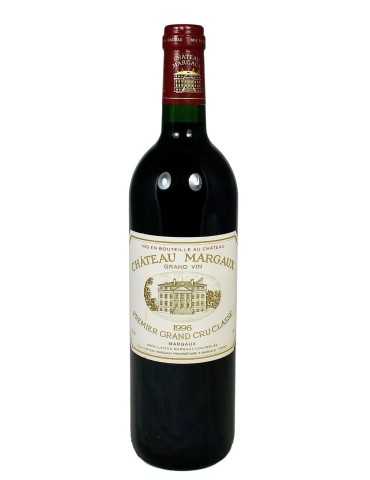
637.00 CHF
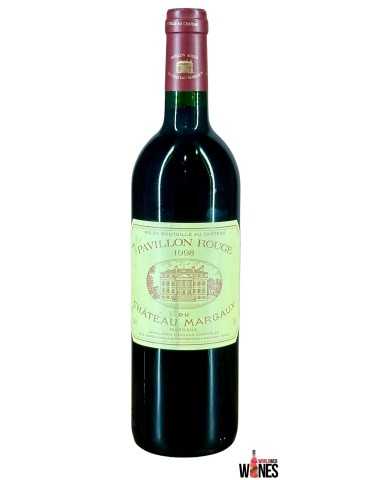
129.00 CHF
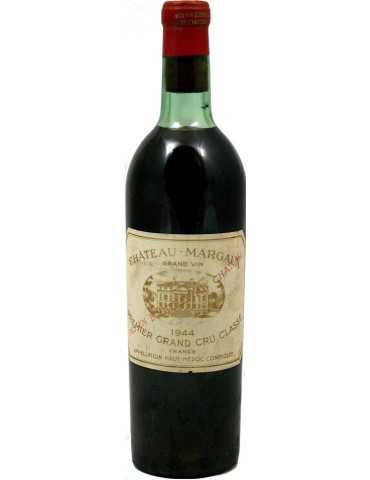
1,059.00 CHF