English
 Français

Buy Champagne in Switzerland: Brut, Rosé, Blanc de Blancs and Vintage Cuvées
Champagne is the most prestigious sparkling wine in the world. It accompanies great celebrations, exceptional gifts, elegant aperitifs and gastronomic meals. But choosing the right Champagne depends above all on the style you are looking for: freshness, finesse, power, fruit, complexity, rarity or vintage character.
Whether you wish to buy Champagne online in Switzerland, offer a prestigious bottle, find a Champagne for an aperitif, select a prestige cuvée or discover a vintage Champagne, this page helps you choose according to your occasion, your taste and the desired tasting profile.
A Champagne can be lively and mineral, broad and creamy, fruity and generous, powerful and vinous, or rare and deeply complex. The right choice depends on dosage, dominant grape variety, ageing, vintage, house style and occasion: aperitif, dinner, gift, celebration or collection.
Which Champagne should you choose for each occasion?
Champagne does not have just one expression. Some bottles are ideal for a refined aperitif, while others are better suited to a gastronomic meal, a prestigious gift or a collector’s tasting. Choosing the right style helps you find a bottle suited to the moment and the emotion you wish to create.
For an aperitif: choose a Brut, Extra Brut or Blanc de Blancs Champagne, appreciated for freshness, precision and elegance.
For a celebration: a great house, an iconic cuvée or a vintage Champagne brings prestige, emotion and memorable character.
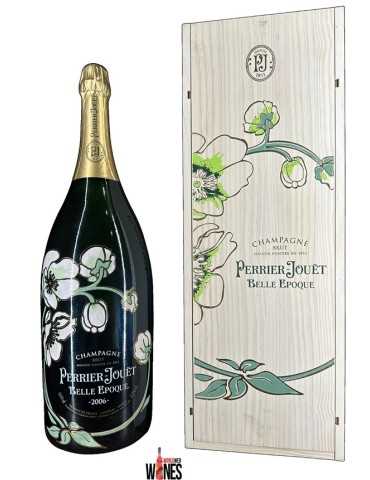
For a gift: choose a renowned bottle, a prestige cuvée or an iconic name such as Dom Pérignon, Cristal, Krug, Bollinger or Taittinger Comtes de Champagne.
For a gastronomic meal: vintage Champagnes, Blanc de Noirs or structured cuvées offer more depth, texture and presence at the table.
For a wine cellar or collection: look for rare vintages, prestige cuvées, limited allocations and grower Champagnes with strong ageing potential.
The main styles of Champagne
The style of a Champagne depends on many elements: dosage, grape varieties, blending, ageing on lees, vintage and producer signature. Understanding these styles helps you choose a bottle suited to your taste and your occasion.
Brut Champagne: the most versatile style, balanced between freshness, fruit, finesse and roundness. It is perfect for aperitifs, celebrations and simple food pairings.
Extra Brut Champagne: drier and more precise, it appeals to lovers of tension, minerality and aromatic purity.
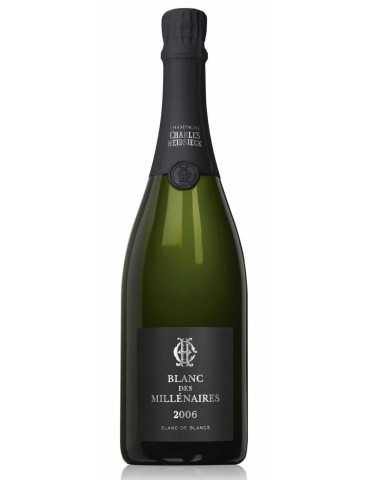
Blanc de Blancs Champagne: made from Chardonnay, it often offers finesse, freshness, citrus notes, floral elegance and great tension. It is an excellent choice for aperitifs, seafood and refined meals.
Blanc de Noirs Champagne: produced from Pinot Noir and/or Meunier, it is more vinous, structured and intense, with beautiful fruit depth. It pairs very well with gastronomy.
Rosé Champagne: elegant, expressive and often generous, it combines freshness, red fruit, refinement and immediate pleasure. It can suit aperitifs, delicate dishes or lightly sweet desserts.
Vintage Champagne: made from a single year, it expresses the personality of a particular vintage. More complex and structured, it is suited to great occasions, gastronomic meals and ageing.
Vintage Rosé Champagne: rarer and more gastronomic, it combines the charm of rosé with the depth, structure and complexity of a great year.
Do you enjoy fresh and elegant Champagnes? Choose a Brut, Extra Brut or Blanc de Blancs.
Are you looking for a more powerful Champagne? Go for a Blanc de Noirs, a Pinot Noir-dominant cuvée or a structured vintage Champagne.
Do you want to offer a beautiful bottle? Choose an iconic house, a prestige cuvée or a recognised vintage.
Are you looking for a rare bottle? Explore vintages, limited allocations and grower Champagnes produced in small quantities.
Prestige Champagnes and great houses
The great Champagne houses are sought after for their consistency, recognisable style, mastery of blending and ability to create iconic cuvées. Some bottles have become true references for great occasions, luxury gifts and wine cellars.
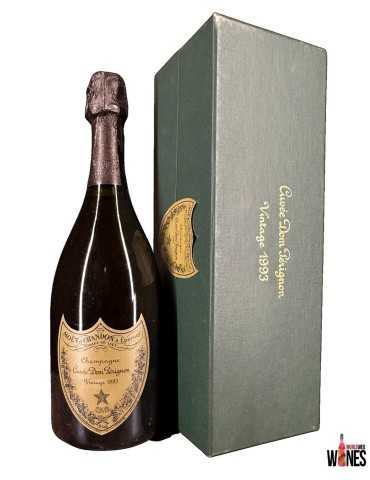
Dom Pérignon: an essential reference for vintage Champagne, associated with prestige, precision and elegance.
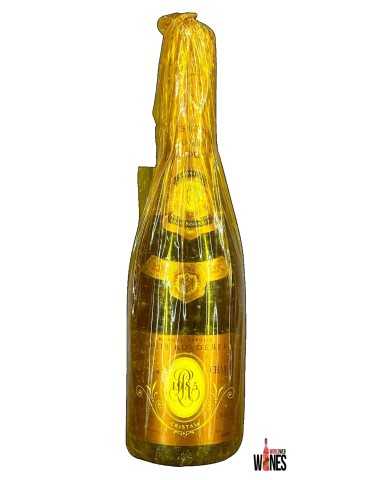
Louis Roederer Cristal: a legendary prestige cuvée, sought after for its finesse, balance and ageing potential.
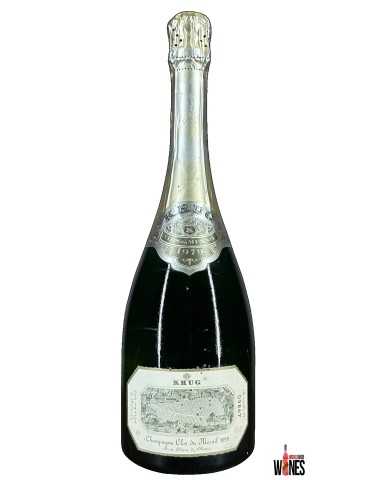
Krug: a broad, deep and gastronomic style, appreciated for aromatic complexity and rich texture.
Bollinger: a powerful, vinous and structured Champagne, often appreciated by lovers of cuvées with strong personality.
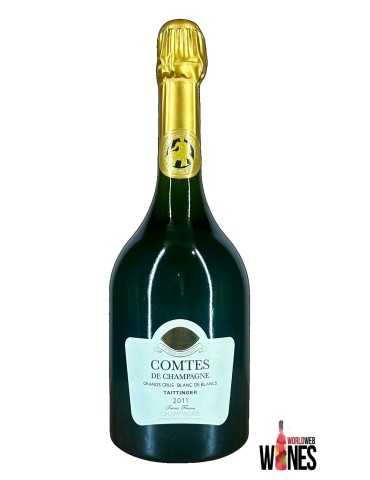
Taittinger Comtes de Champagne: an elegant and refined cuvée, driven by the purity of Chardonnay.
Jacques Selosse: a cult name among grower Champagnes, sought after for its singular expression, rarity and depth.
Food and Champagne pairings
Thanks to its freshness, fine bubbles and wide diversity of styles, Champagne is one of the most versatile wines at the table. It pairs beautifully with delicate aperitifs, seafood, fish, poultry, truffle-based dishes and gastronomic cuisine.
Oysters and seafood: Blanc de Blancs Champagne, Extra Brut or a mineral cuvée.
Sushi and Japanese cuisine: precise, fresh, low-dosage and elegant Champagne.
Fine fish or poultry: vintage Champagne, mature Blanc de Blancs or prestige cuvée.
Caviar and foie gras: prestige cuvée, vintage Champagne or broad and complex style.
Truffle-based dishes: mature, vinous or Pinot Noir-dominant Champagne.
Light desserts: Rosé Champagne, Demi-Sec or a softer cuvée with fruit pastries, macarons or lemon tart.
Brut, vintage or prestige cuvée: what is the difference?
A non-vintage Brut Champagne is often designed to express the consistent style of a house or producer. It offers balance, freshness and immediate pleasure. A vintage Champagne comes from a single year and generally shows more structure, depth and ageing potential. A prestige cuvée usually represents the most ambitious selection of a house, with a higher level of rarity, complexity and refinement.
Non-vintage Brut: versatile, approachable, ideal for aperitifs and celebrations.
Vintage Champagne: more complex, more structured, suited to meals and great occasions.
Prestige cuvée: rare, refined, perfect for gifting, collecting or celebrating an important moment.
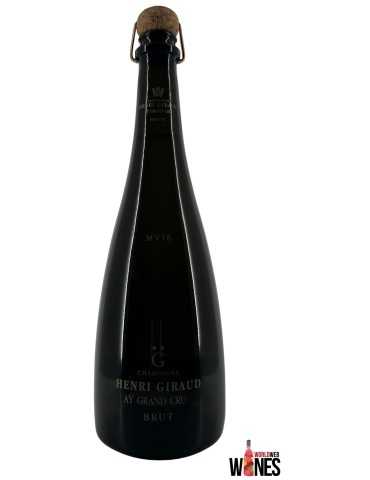
Grower Champagne: often more distinctive, expressive and sought after by curious wine lovers.
The role of terroir in Champagne style
Although this page mainly helps you choose Champagne by style and occasion, origin remains important. Champagne terroirs influence the finesse, power, minerality and depth of the cuvées. The Côte des Blancs is often associated with the elegance of Chardonnay, the Montagne de Reims with the structure of Pinot Noir, the Vallée de la Marne with the fruitiness of Meunier and the Côte des Bar with more intense and distinctive expressions.
To learn more about the history, terroirs, sub-regions and wine identity of this appellation, visit our dedicated page about the Champagne wine region.
A curated selection available with delivery in Switzerland
World Web Wines offers a selection of Champagnes available online with delivery in Switzerland. Our range brings together bottles chosen for their authenticity, provenance, balance and true tasting interest: Brut Champagne, Extra Brut, Blanc de Blancs, Blanc de Noirs, Rosé Champagne, vintage cuvées, iconic houses and rare grower Champagnes.
Explore our Champagne selection to find the ideal bottle for your occasion: refined aperitif, gastronomic meal, prestigious gift, celebration or wine cellar.
Our promise: a clear and demanding selection of Champagnes, designed to help you choose the right bottle according to style, occasion, level of prestige, vintage and the emotion you wish to share.