English
 Français
Luce della Vite — The Alliance of Sangiovese and Merlot in Montalcino
Luce della Vite, today often presented under the name Tenuta Luce, is one of the most emblematic estates in Montalcino. Born from the meeting of two great wine families, the Frescobaldi family in Tuscany and the Mondavi family in California, the project established a singular vision: to unite the depth of Sangiovese with the roundness of Merlot on the hills of Montalcino.
Under the guidance of the Frescobaldi family, and notably Lamberto Frescobaldi, Luce della Vite has become one of the great names of contemporary Tuscany. The wines combine solar ripeness, structure, velvety texture and precise ageing, in a style that is international in ambition yet deeply Tuscan in its roots in the landscape of Montalcino.
A Tuscany of light, structure and balance. Luce della Vite seeks profound and enveloping wines, where Sangiovese brings energy, verticality and the identity of Montalcino, while Merlot offers flesh, suppleness and breadth on the palate. The result: expressive, refined cuvées designed to evolve with elegance.
History: an Italian and Californian vision
Luce della Vite was created in the mid-1990s, at a time when Tuscany was experiencing an important period of innovation. The founding idea was to create in Montalcino a wine capable of going beyond classical categories, by combining Sangiovese, the historic grape of the territory, with Merlot, successfully introduced in Tuscany by the Frescobaldi family.
The collaboration between Vittorio Frescobaldi and Robert Mondavi gave birth to one of Montalcino’s great Super Tuscans. After this founding period, the estate remained within the Frescobaldi universe, with stylistic continuity shaped by a more precise reading of vineyards, blends and vintage balance.
The name “Luce” refers to light, an essential element in Tuscan ripeness. This idea runs through the entire identity of the estate: wines that are sun-filled yet constructed; generous yet balanced; modern in their precision, yet rooted in the great winegrowing tradition of Montalcino.
Terroir: the hills of Montalcino
The vineyards of Luce della Vite are located in the Montalcino area, in southern Tuscany. This territory benefits from a luminous climate, strong day-night temperature variations and varied soils, allowing the production of wines that are ripe, structured and naturally fresh.
Sangiovese expresses its most Tuscan character here: lively acidity, firm tannins, notes of cherry, herbs, spice and warm earth. Merlot, planted on suitable parcels, brings greater roundness, black fruit, volume and depth. This complementarity lies at the heart of Luce’s identity.
The estate also produces a Brunello di Montalcino, made exclusively from Sangiovese, expressing a more traditional and territorial facet of the property. Alongside the grand wine Luce, this cuvée reinforces the estate’s connection with the historic appellation of Montalcino.
Terroir expression: Montalcino, Tuscan light, Sangiovese, Merlot, varied soils, slow ripening, black fruits, ripe cherry, spices, Mediterranean herbs and structured tannins.
Luce della Vite signature: profound, sun-filled, polished, structured and elegant Tuscan wines, built around the balance between breadth, freshness and persistence.
Viticulture: ripeness, selection and vintage interpretation
Viticulture at Luce della Vite is based on attentive parcel selection and the search for balanced ripeness. In the climate of Montalcino, the challenge is not only to achieve concentration, but to preserve harmony between fruit richness, freshness, tannic structure and expression of place.
Harvesting is adapted to the specific character of each grape variety. Merlot requires great precision to maintain freshness and avoid over-ripeness, while Sangiovese naturally brings tension, tannic grain and energy. The final blend then seeks the most harmonious expression according to the vintage.
Young Luce: black cherry, ripe plum, blackberry, cassis, violet, cocoa, liquorice, sweet spices, graphite and precious woods.
Evolved Luce: blond tobacco, fine leather, mocha, candied black fruits, dry forest floor, discreet truffle, noble spices and balsamic notes.
Brunello: sour cherry, dried rose, blood orange, Mediterranean herbs, warm earth, tea, leather and firm tannins.
Overall impression: broad, profound and structured Tuscan wines, combining solar ripeness, tannic elegance and fine ageing capacity.
Vinification: blending, precision and careful ageing
Winemaking seeks to preserve the identity of each grape variety before the final blend. Sangiovese and Merlot are handled separately, in order to respect their ripening rhythms, structure and aromatic expression. The aim is to compose a complete wine without erasing the nuances of each origin.
Sangiovese: brings tension, freshness, floral notes, spice and tannic structure.
Merlot: brings volume, black fruit, velvety texture and palate depth.
Ageing: barrels are used to refine structure, integrate fruit richness and support ageing potential.
Philosophy: produce Montalcino wines that are modern, profound and elegant, without losing the essential dialogue between Tuscan territory and international ambition.
Wine style
The style of Luce della Vite is defined by depth, dark fruit, velvety texture and refined structure. The grand wine Luce combines the nobility of Sangiovese with the breadth of Merlot, in a generous, polished and persistent expression.
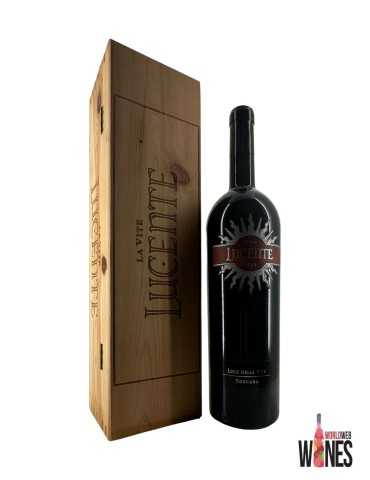
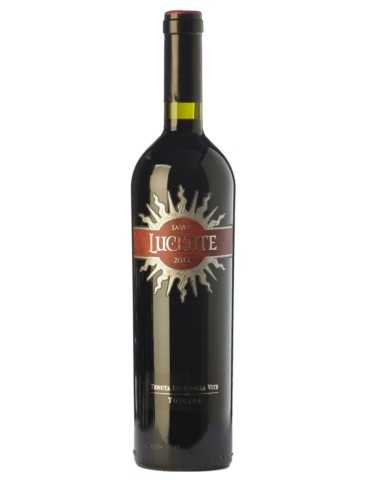
Lucente offers a more immediate and supple approach to the estate’s style, while Luce Brunello di Montalcino highlights a more classical reading of Montalcino Sangiovese. The finest vintages of Luce can evolve for many years, gaining complexity, tertiary notes and aromatic depth.
Emblematic cuvées
Luce: the estate’s iconic cuvée, a blend of Sangiovese and Merlot, profound, structured, velvety and built for ageing.
Lucente: the property’s second wine, more accessible in youth, while retaining the fruit, suppleness and Tuscan identity of Luce.
Luce Brunello di Montalcino: a 100% Sangiovese expression, more classical in its belonging to Montalcino, with firm tannic structure and strong ageing potential.
Lux Vitis: a very limited cuvée depending on the vintage, made through a more confidential approach around great red varieties and Tuscan depth.
Ageing and gastronomic pairings
Great vintages of Luce can evolve for 15 to 25 years depending on storage conditions. The wine then gains nuances of blond tobacco, fine leather, candied black fruits, mocha, spices and balsamic notes. The Brunello also needs time to soften its tannins and reveal its full complexity.
At the table, Luce pairs beautifully with grilled beef, roast lamb, game, duck, slow-cooked meats, red wine sauces, truffle, mushrooms, mature cheeses and generous Tuscan cuisine. The Brunello is particularly well suited to bistecca alla fiorentina, ragù, wild boar, aged pecorino and dishes with Mediterranean herbs.
Country: Italy
Region: Tuscany
Area: Montalcino
Estate: Luce della Vite / Tenuta Luce
Family: Frescobaldi, with origins linked to the Frescobaldi-Mondavi collaboration
Key person: Lamberto Frescobaldi
Main grape varieties: Sangiovese, Merlot, complemented depending on the cuvée by other red varieties
Major cuvées: Luce, Lucente, Luce Brunello di Montalcino, Lux Vitis depending on availability
Style: Tuscan, profound, sun-filled, structured, velvety, elegant and built for ageing.
In summary: Luce della Vite is one of the great modern projects of Montalcino. Born from the meeting of the Frescobaldi and Mondavi families, then continued within the Frescobaldi world, the estate built its reputation on the iconic blend of Sangiovese and Merlot. Profound, sun-filled and refined wines, where Tuscany enters into dialogue with an international vision of fine wine.
Dominant aromas: black cherry, ripe plum, blackberry, cassis, violet, cocoa, liquorice, graphite, sweet spices, blond tobacco, fine leather, mocha, Mediterranean herbs and a long velvety finish.
Current selection
Discover below the bottles from Luce della Vite currently available at World Web Wines, selected according to arrivals, vintage quality, bottle condition and ageing potential.