English
 Français
102.00 CHF

 France • Bordeaux • Médoc • Saint-Julien • Cabernet Sauvignon • Classified Growths
Saint-Julien: Médoc balance between power, finesse and great wines for ageing
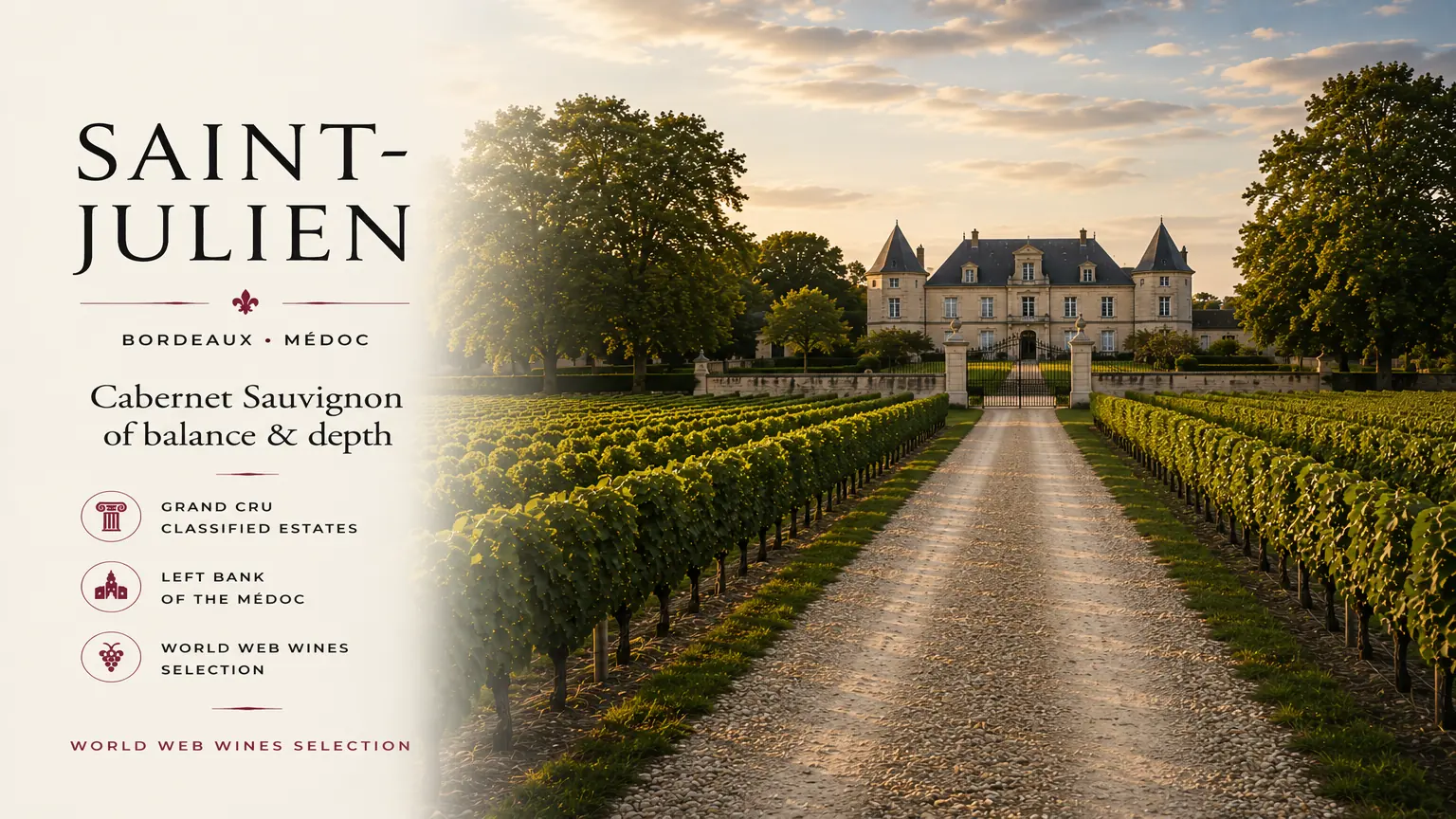
Located in the heart of the Médoc, between Margaux to the south and Pauillac to the north, Saint-Julien holds a distinctive place among the great wines of Bordeaux. The appellation is known for deep, structured and harmonious red wines, where the power of the Left Bank is expressed with remarkable finesse.
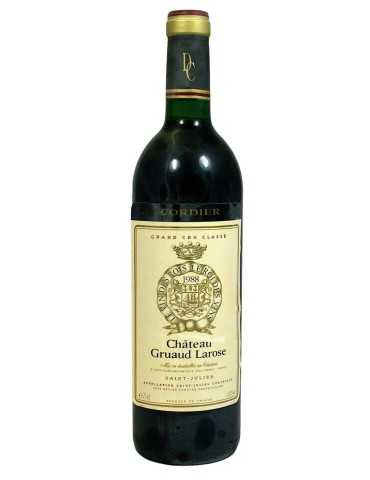
Saint-Julien is admired for its consistency, balance and concentration of classified growths. Estates such as Château Léoville Las Cases, Léoville Barton, Léoville Poyferré, Ducru-Beaucaillou, Gruaud Larose, Beychevelle and Talbot embody this noble Médoc signature, precise, refined and built for long ageing.
The spirit of Saint-Julien
Saint-Julien is one of the most harmonious expressions of the Médoc. Its wines combine structure, depth, freshness and elegance without excessive power. The appellation offers a rare balance between the density of Pauillac and the silkier finesse of Margaux.
A terroir of balance in the heart of the Médoc
The vineyards of Saint-Julien are planted on deep gravel rises close to the Gironde estuary. These well-drained soils support the slow ripening of Cabernet Sauvignon while preserving freshness, tension and precision. The result is a style of wine that is upright, refined and remarkably consistent.
Cabernet Sauvignon: structure, blackcurrant, graphite, cedar, freshness and ageing potential.
Merlot: flesh, roundness, ripe fruit and balance in the blend.
Cabernet Franc and Petit Verdot: aromatic finesse, tension, colour and spicy notes depending on the estate.
The style of Saint-Julien wines
Saint-Julien red wines are defined by precise structure, depth of fruit and natural elegance. They often evoke blackcurrant, blackberry, blueberry, graphite, cedar, fine spices and sometimes a subtle floral note. With age, great vintages develop notes of blond tobacco, fine leather, undergrowth, truffle and noble wood.
Young: black fruit, graphite, cedar, precise tannins, freshness and structure.
At maturity: tobacco, fine leather, truffle, undergrowth, sweet spices and a more polished texture.
Signature: Médoc harmony between contained power, depth and finesse.
Châteaux, classified growths and major names
Saint-Julien has no Premier Grand Cru Classé, yet it is one of the most consistent and prestigious appellations of the Médoc. It includes eleven classified growths from the 1855 Classification, including several major Deuxièmes Crus Classés. This concentration explains its reputation among lovers of age-worthy Bordeaux.
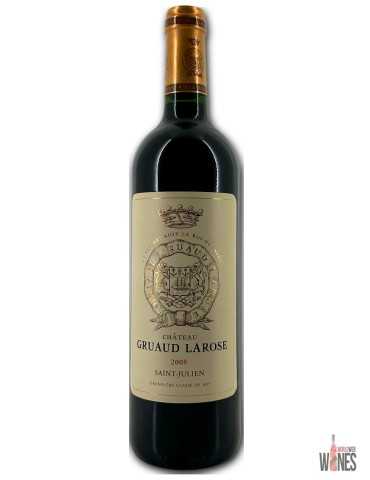
Deuxièmes Crus Classés: Léoville Las Cases, Léoville Barton, Léoville Poyferré, Ducru-Beaucaillou and Gruaud Larose.
Other great names: Beychevelle, Talbot, Branaire-Ducru, Lagrange, Langoa Barton and Saint-Pierre.
Identity: a small appellation with remarkable consistency within the hierarchy of great Médoc wines.
Which Saint-Julien should you choose?
For a gift
Léoville Las Cases, Léoville Barton, Ducru-Beaucaillou, Beychevelle or a recognised mature vintage.
For the table
A mature Saint-Julien with beef, roast lamb, duck, game, mushrooms or truffle.
For ageing
A classified growth, structured vintage, serious provenance or large format to keep in the cellar.
The World Web Wines advice
Saint-Julien is an excellent choice for lovers of classic, precise and balanced Bordeaux. For drinking, favour mature vintages that reveal cedar, tobacco, fine leather and truffle. For ageing, choose classified growths, structured vintages and bottles with serious provenance.
Vintages and ageing potential
Great Saint-Julien vintages combine power, freshness and longevity. Years such as 2016, 2010, 2005, 2000, 1996, 1990, 1986, 1985, 1982 and 1961 are particularly sought after for their structure and ageing potential. Recent vintages such as 2018, 2019, 2020 and 2022 offer deep, precise and highly promising wines.
Ready to drink: mature vintages, softened tannins, tertiary complexity and balance ready for tasting.
To keep: classified growths, structured vintages, preserved freshness and good fruit density.
Service: serve around 16 to 18 °C, with opening time adapted to the wine’s age and structure.
Food pairings with Saint-Julien
Thanks to their balance between structure and finesse, Saint-Julien wines pair beautifully with noble and savoury cuisine: rib of beef, beef fillet, roast lamb, duck, pigeon, feathered game, wild mushrooms, truffle, reduced sauces and mature cheeses. Older vintages allow more subtle pairings around refined jus and melting textures.
Buy Saint-Julien wines online
World Web Wines offers a selection of Saint-Julien wines available online with delivery in Switzerland. Our range brings together classified growths, emblematic Médoc estates, mature vintages, large formats and bottles selected for their provenance, balance and genuine drinking interest.
108.00 CHF
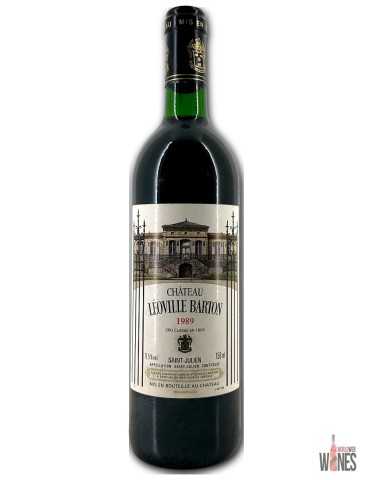
151.00 CHF
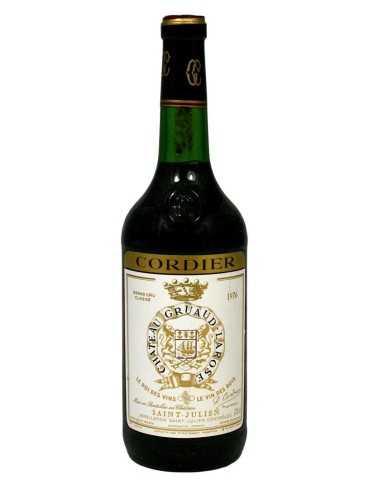
77.00 CHF
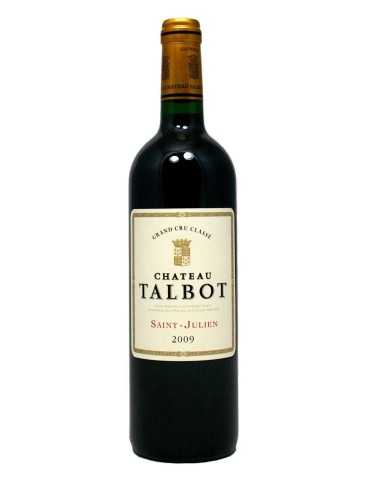
97.00 CHF
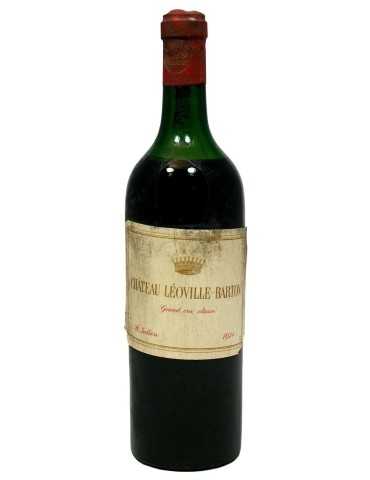
386.00 CHF
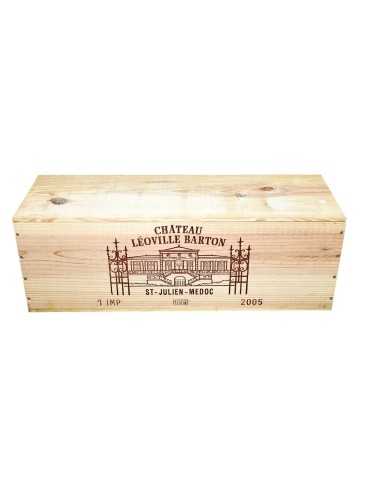
1,297.00 CHF
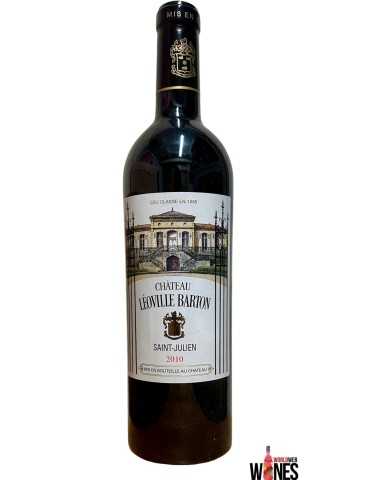
118.00 CHF
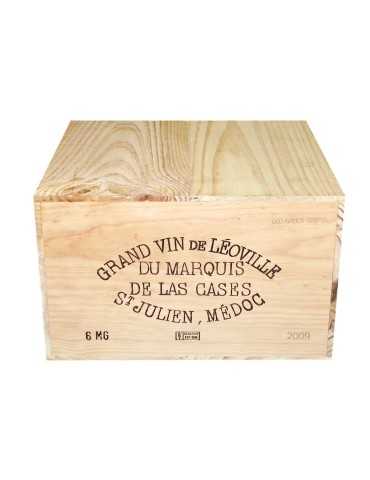
3,453.00 CHF
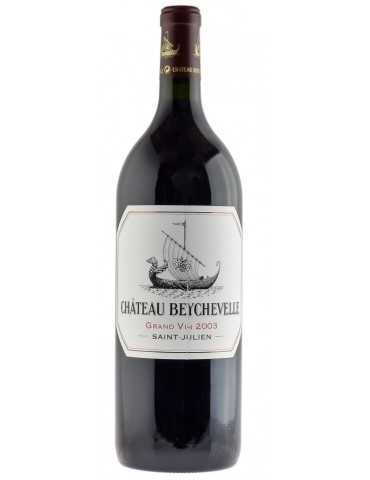
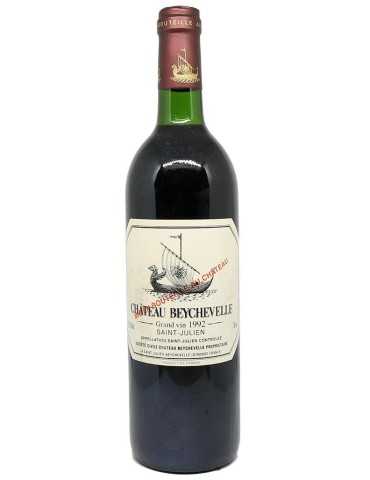
59.00 CHF
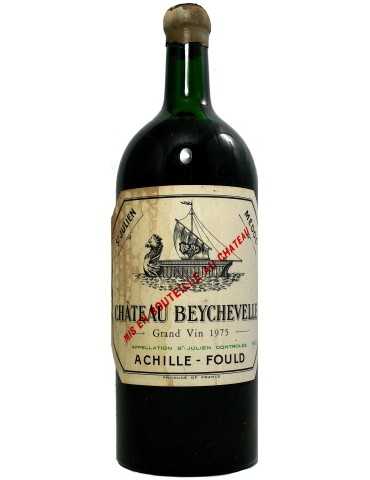
486.00 CHF
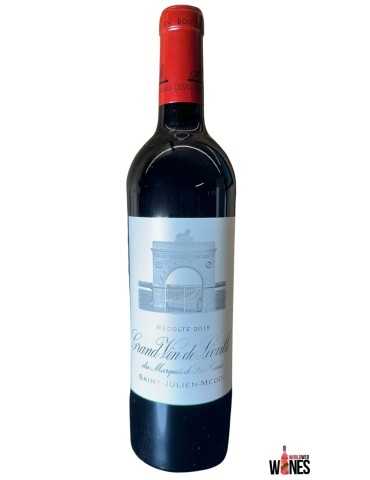
210.00 CHF
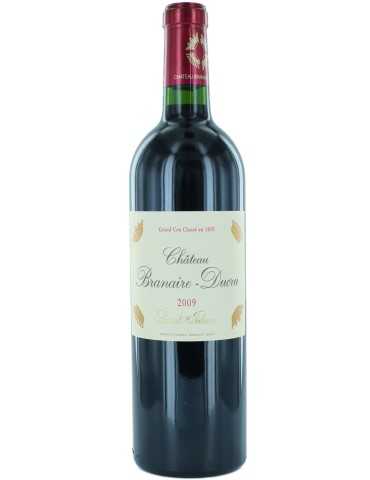
91.00 CHF
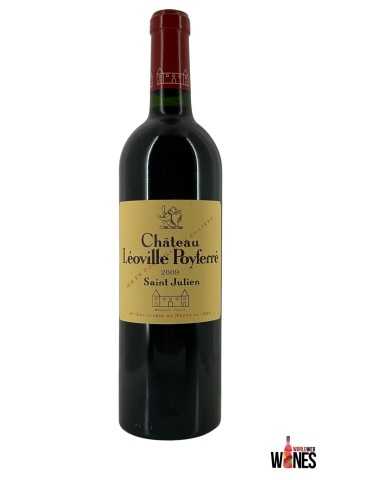
216.00 CHF
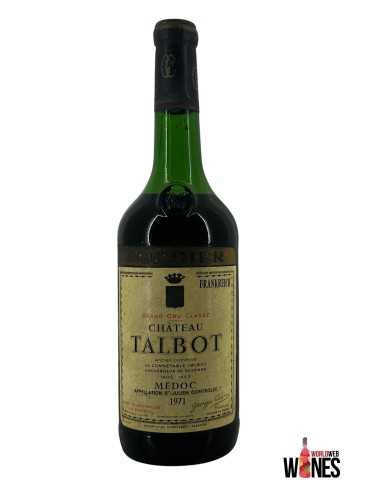
80.00 CHF
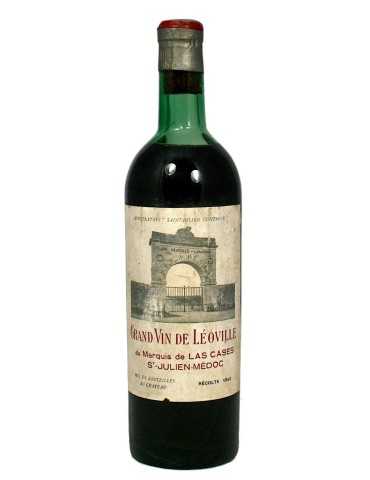
399.00 CHF
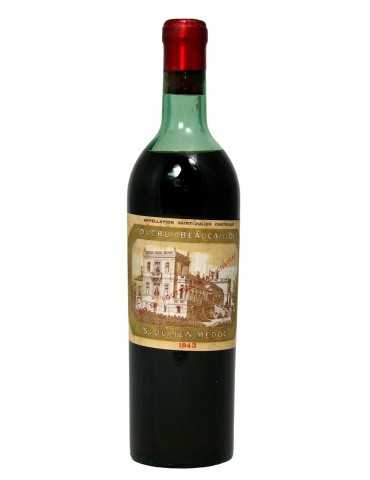
261.00 CHF