English
 Français

How to Pair Fine Wines — Bringing Out the Best in Every Bottle
General Presentation
Pairing a fine wine, whether young, mature or old, requires an understanding of its style, structure and stage of evolution. A powerful Bordeaux, a delicate Burgundy, a refined Champagne, a structured Barolo, a great mineral white wine or an old vintage will not call for the same dishes. The aim of a successful pairing is always the same: to enhance the wine without overpowering it.
Young wines can support more structured dishes, while mature wines require greater delicacy. Tense white wines call for precision, tannic reds need texture and substance, Champagnes play on freshness and mouthfeel, while sweet wines often find their balance through contrast. A fine pairing depends on harmony between intensity, texture, acidity, aromatic profile and maturity.
Rather than seeking a spectacular pairing, it is often better to aim for accuracy. A dish that is too powerful can overwhelm the wine; a dish that is too light may seem insignificant beside it. The best pairing is the one that allows the bottle to express itself fully while giving the meal additional depth.
The Main Principles of a Successful Pairing
To create a successful food and wine pairing, the first element to consider is the wine’s intensity. A powerful wine calls for a dish with substance, while a fine and delicate wine requires more subtle cuisine. Texture is equally important: tender meat, a creamy sauce, perfectly cooked fish or mature cheese will interact with wine in very different ways.
- Balance intensity — A fine wine should not be dominated by a dish that is too spicy, salty or sweet.
- Respect the wine’s evolution — A young wine can handle more power; a mature wine requires greater delicacy.
- Work with texture — Tannins pair well with protein, bubbles with richness, acidity with freshness.
- Avoid excess — Chilli, vinegar, pronounced sweetness or intense smoky flavours can unbalance fine wines.
Pairing Fine Red Wines
Fine red wines are defined by their structure, tannins, aromatic depth and ageing potential. They naturally pair with dishes that have substance, depth and a certain richness, without becoming excessive.
A structured Bordeaux will work beautifully with red meat, roast lamb, duck or mushroom-based dishes. A more delicate red Burgundy will prefer roast poultry, pigeon, sweetbreads, veal with morels or refined cuisine built around mushrooms. A Barolo or great Nebbiolo will find balance with truffle, slow-cooked meats, risotto or dishes with noble textures. A red Rhône, depending on style, will pair well with lamb, game, herb-based dishes or lightly spiced flavours.
- Red Bordeaux — Beef fillet, roast lamb, duck breast, entrecôte, ceps, reduced jus.
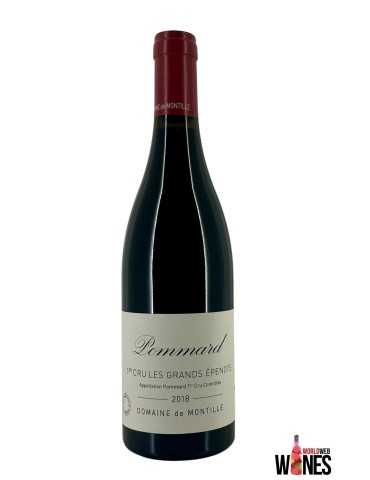
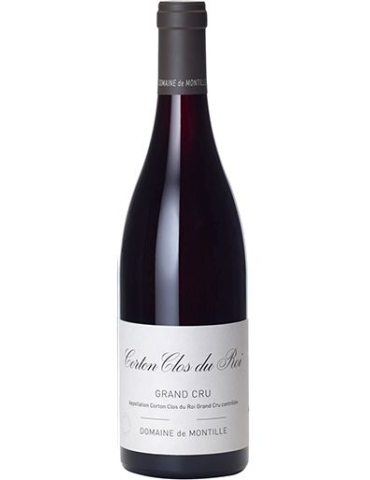
- Red Burgundy — Roast poultry, pigeon, sweetbreads, mushrooms, delicate dishes with light sauces.
- Barolo and Barbaresco — Truffle, tajarin, risotto, veal, slow-cooked beef, mushroom dishes.
- Red Rhône — Lamb, game, daube, Provençal herbs, olives, sweet spices.
Pairing Fine White Wines
Fine white wines may be mineral, tense, ample, buttery, floral or saline. Their ideal pairing depends on their acidity, texture and level of oak ageing. A very tense white wine calls for precision, while a richer white can accompany more creamy or generous dishes.
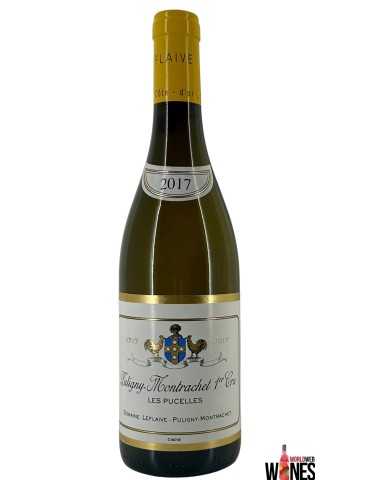
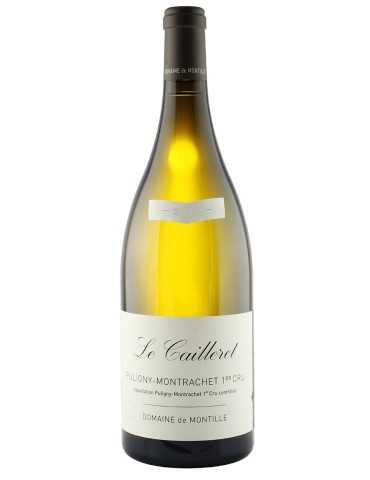
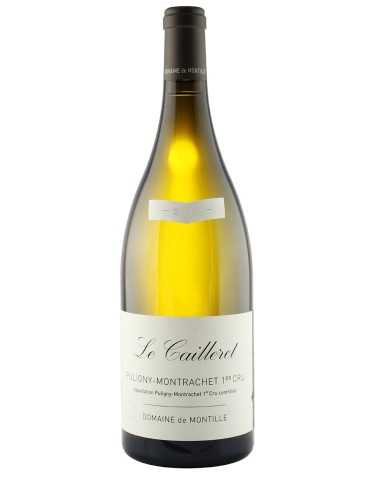
A Chablis or great mineral white wine will pair beautifully with oysters, shellfish, raw fish or saline preparations. A Meursault, Puligny-Montrachet or great white Burgundy can support poultry in cream sauce, noble fish with beurre blanc, scallops or risotto. Great Rieslings, meanwhile, pair remarkably well with fish, spicy cuisine and citrus-based dishes.
- Mineral whites — Oysters, shellfish, crustaceans, raw fish, ceviche, saline cuisine.
- Great Chardonnay — Poultry in cream sauce, scallops, turbot, lobster, risotto, buttery sauces.
- Riesling — Fine fish, Asian cuisine, spicy dishes, citrus notes, lacquered pork, fresh cheeses.
- Mediterranean whites — Grilled fish, confit vegetables, aromatic herbs, seafood, Provençal cuisine.
Pairing Champagne and Sparkling Wines
Champagne and great sparkling wines are among the most versatile wines at the table. Their acidity, effervescence and texture help balance richness, refresh the palate and accompany a wide range of dishes. They should not be reserved for the aperitif: the finest cuvées can accompany an entire meal.
A Blanc de Blancs Champagne pairs beautifully with seafood, fine fish and saline dishes. A more vinous Champagne, based mainly on Pinot Noir or shaped by extended ageing, can accompany roast poultry, mushroom risotto, mature Comté or even certain truffle-based dishes. Rosé Champagne finds its place with duck, veal, lightly grilled fish or lightly sweetened red fruit desserts.
- Blanc de Blancs — Oysters, langoustines, fine fish, sea bream tartare, saline cuisine.
- Vinous Champagne — Roast poultry, risotto, mushrooms, mature Comté, truffle-based dishes.
- Rosé Champagne — Duck, veal, grilled salmon, seared tuna, lightly sweetened red fruits.
Pairing Sweet, Dessert and Fortified Wines
Sweet, dessert and fortified wines require precise pairings. Their sweetness, concentration and aromatic complexity can create remarkable moments, provided that desserts are not excessively sweet. Contrast is often more interesting than simple repetition.
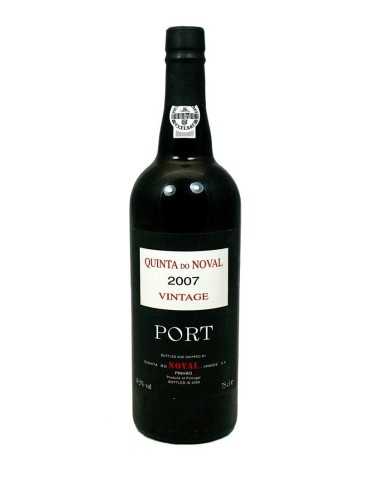
A Sauternes, Barsac or great sweet wine will pair with foie gras, blue cheeses, poultry with sweet spices or yellow fruit desserts. A Vintage Port or old Tawny will accompany dark chocolate, dried fruit or blue cheeses. An old Madeira can be remarkable with umami-rich dishes, consommés, mature cheeses or certain caramel-based desserts.
- Sauternes and sweet wines — Foie gras, Roquefort, poultry with spices, apricot tart, yellow fruit desserts.
- Port — Stilton, dark chocolate, walnuts, dried fruit, cocoa-based desserts.
- Madeira — Consommés, aged cheeses, caramel desserts, mushrooms, umami-rich cuisine.
Pairing Mature and Old Vintages
Mature and old vintages require particular care. With age, wines often lose some of their power but gain complexity and nuance. They develop aromas of forest floor, leather, truffle, tobacco, mushroom, dried fruit or faded flowers. The dish should therefore remain restrained, deep and delicate.
Avoid overly spicy sauces, aggressive marinades, strongly smoky flavours or overly sweet accompaniments. Older wines appreciate tender meats, roast poultry, mushrooms, light jus, root vegetables, gentle cheeses and preparations that respect their fragility.
- Old Bordeaux — Lamb, roast veal, beef fillet, duck, ceps, truffle, mature Comté.
- Old Burgundy — Poultry, pigeon, sweetbreads, mushrooms, truffled Brie, delicate sauces.
- Old Barolo — White truffle, risotto, veal, slow-cooked dishes, noble mushrooms.
- Old Champagne — Poultry, Comté, morels, lobster, risotto, lightly creamy dishes.
Pairing Wine with Cheese
Cheeses do not all pair naturally with red wines. Very salty, powerful or highly matured cheeses can harden tannins and mask the wine’s finesse. White wines, Champagne and sweet wines often provide more precise and more balanced pairings.
- Hard cheeses — Comté, aged Gouda, Gruyère or Parmesan with great whites, old reds or vinous Champagne.
- Creamy cheeses — Brie, Chaource, Brillat-Savarin with white Burgundy, Champagne or delicate old red Burgundy.
- Blue cheeses — Roquefort, Stilton or creamy blue cheese with Sauternes, Port, Madeira or sweet wines.
- Goat cheeses — Sauvignon Blanc, Sancerre, Chablis, dry Riesling or fresh, tense white wines.
Serving Advice to Enhance the Pairing
A successful pairing also depends on service. Temperature, aeration, glassware and the moment of opening can transform the perception of a wine. A great red served too warm loses precision; a white served too cold seems closed; an old wine left too long in a decanter can become fragile.
Young, structured red wines may benefit from measured aeration. Old vintages should be handled with care: place the bottle upright a few hours before serving, open gently and taste before deciding whether to decant. Champagnes and great white wines should be served cool, but not ice-cold, in order to preserve their aromatic complexity.
- Structured reds — Generally serve around 16 to 18 °C, with aeration if the wine is young.
- Gastronomic whites — Serve around 10 to 12 °C, sometimes slightly warmer for complex great whites.
- Champagnes — Serve cool, around 8 to 10 °C, slightly warmer for very vinous cuvées.
- Old wines — Open carefully, taste before decanting, avoid excessive aeration.
Choosing a Fine Wine for a Meal
Choosing a fine wine for a meal means thinking about the entire experience: the style of wine, the age of the bottle, the intensity of the dish, the texture, the season and the moment of tasting. A young and powerful bottle can accompany more structured cuisine, while a mature or old wine calls for a more delicate table.
Bordeaux, Burgundy, Champagne, Rhône, Barolo, great white wines, sweet wines or mature vintages: each family has its preferred pairings. By respecting the personality of the wine, the meal becomes a natural extension of the bottle rather than a simple accompaniment.
Conclusion: The Art of Balance
Pairing fine wines means seeking balance between power and finesse, richness and freshness, texture and aroma. The best pairings are not always the most sophisticated: roast poultry, noble fish, delicate lamb, mushroom risotto, a carefully chosen cheese or a precisely balanced dessert can fully reveal a great bottle. The wine should remain at the heart of the experience, while the dish gives it the space it needs to express its full depth.