English
 Français
Marchesi de’ Frescobaldi – The Great Winemaking House of Tuscany
Estate Overview
The Tuscan house of Marchesi de’ Frescobaldi embodies more than seven centuries of winemaking history, with over 700 years of continuous presence in Florence. Under the leadership of Lamberto Frescobaldi, the group unites a unique portfolio of estates across Tuscany — from Chianti Rufina and Montalcino to Maremma, Pomino, and Cortona — as well as a collection of iconic Super-Tuscan wines.
History & Heritage
- Family origins dating back to the 14th century in Florence, with deep cultural and historical roots in Tuscany.
- Between 1995 and 2005: strategic partnerships (notably with Robert Mondavi), followed by consolidation and international expansion.
- Major investments in wineries, high-altitude vineyards, and innovative projects, reinforcing its position among Italy’s great wine dynasties.
Tuscan Estates & Prestigious Wines
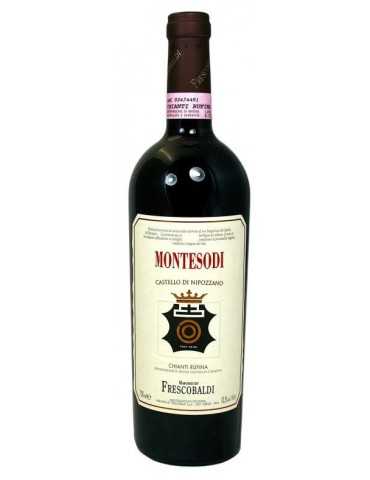
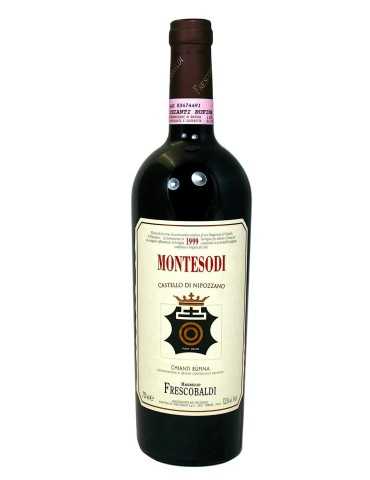
- Castello Nipozzano (Chianti Rufina) — Nipozzano Riserva, Montosodi, Mormoreto.
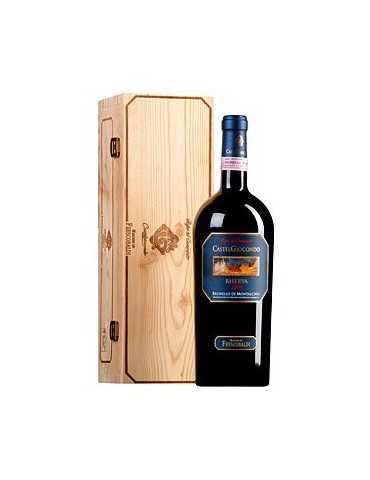
- Tenuta CastelGiocondo (Montalcino) — Brunello di Montalcino, Riserva Ripe al Convento, Lamaione (IGT).
- Castello Pomino (Pomino DOC) — high-altitude terroirs; exceptional whites such as Benefizio Riserva.
- Tenuta Ammiraglia (Maremma) — contemporary Mediterranean expression; refined reds and rosés.
- Tenuta Perano (Chianti Classico) — high-altitude Sangiovese; refined, modern style.
- Tenuta Castiglioni, Rèmole, Tenuta Calimaia (Cortona) — heritage labels and innovative, terroir-driven wines.
- Gorgona (Tuscan island prison) — ultra-limited production; exemplary social reintegration project (Vermentino/Ansonica & Sangiovese/Vermentino Nero).
The group also owns or partners with prestigious international brands such as Ornellaia, Masseto, and Luce della Vite, underscoring its leadership in the Super-Tuscan segment.
Philosophy & Vision
Under Lamberto Frescobaldi, the house blends family tradition, terroir, architecture, and modern oenology. The mission is to express the authentic soul of Tuscany through precise, elegant, age-worthy wines. Each estate maintains technical autonomy while sharing a common vision focused on local grape varieties, altitude terroirs, and refined craftsmanship.
Style & Wine Identity
- High-altitude Sangiovese: fine tannins, vibrant acidity, pronounced minerality — e.g., Nipozzano, Perano.
- Mediterranean reds (Maremma, Bolgheri): dark fruit, modern structure, integrated oak.
- High-altitude whites (Pomino): tension, refined ageing, elegance.
- Iconic wines: Masseto (pure Merlot) and Ornellaia (elite blend) — benchmarks of Tuscan excellence.
Sustainability & Social Commitment
Marchesi de’ Frescobaldi is recognized for environmental stewardship and social responsibility. The Gorgona Project — a winemaking initiative on a Tuscan prison island — offers a social reintegration program through viticulture.
The house champions altitude vineyards, soil preservation, and high-end wine tourism, and also produces Laudemio olive oil, a heritage product reflecting Frescobaldi’s refined legacy.