English
 Français
475.00 CHF

France • Bordeaux • Médoc • Haut-Médoc • Cabernet Sauvignon • Left Bank
Haut-Médoc: classic elegance, Cabernet Sauvignon and great Left Bank reds
Located on the Left Bank of Bordeaux, the Haut-Médoc is one of the great classic expressions of the Médoc. The appellation extends across the southern and central part of the Médoc peninsula, on gravel, clay and sandy soils that are particularly well suited to red wines dominated by Cabernet Sauvignon.
Less immediately prestigious than Margaux, Saint-Julien, Pauillac or Saint-Estèphe, the Haut-Médoc nevertheless offers some of the most interesting Bordeaux wines for enthusiasts: structured, elegant and often more accessible reds, capable of ageing seriously while retaining excellent drinkability.
The spirit of Haut-Médoc
Haut-Médoc expresses the classic Bordeaux style in a form that is often more accessible than the famous neighbouring communal appellations. Its wines combine structure, freshness, blackcurrant, cedar, tobacco and firm tannins, with serious ageing potential from the best estates and great vintages.
A gravel terroir at the heart of the Médoc
Haut-Médoc is shaped by a wide diversity of soils: gravel rises, stones, sand, clay and more limestone-influenced subsoils depending on the sector. Gravel ensures drainage and slow Cabernet Sauvignon ripening, while clay brings flesh, freshness and balance to the blends.
Cabernet Sauvignon: structure, freshness, blackcurrant, graphite, cedar and ageing potential.
Merlot: roundness, ripe fruit, flesh and suppleness in the blend.
Cabernet Franc and Petit Verdot: aromatic finesse, tension, colour and spicy notes depending on the estate.
The style of Haut-Médoc wines
Haut-Médoc red wines are defined by their balance between structure, freshness and elegance. They often evoke blackcurrant, blackberry, cedar, graphite, sweet spices and blond tobacco. With age, the best vintages develop notes of fine leather, undergrowth, light truffle and cigar box.
Young: blackcurrant, blackberry, cedar, freshness, present tannins and clear fruit.
At maturity: tobacco, fine leather, undergrowth, truffle, graphite and a more polished texture.
Signature: a classic, upright and elegant Bordeaux, with measured power and Médoc freshness.
Classified Growths, Crus Bourgeois and recognised estates
Haut-Médoc includes several Grands Crus Classés from the 1855 Classification, alongside many Crus Bourgeois and recognised estates. This diversity makes the appellation a privileged gateway into the Médoc style, with wines that are often less speculative than those from the most famous communes, yet highly interesting at the table and in the cellar.
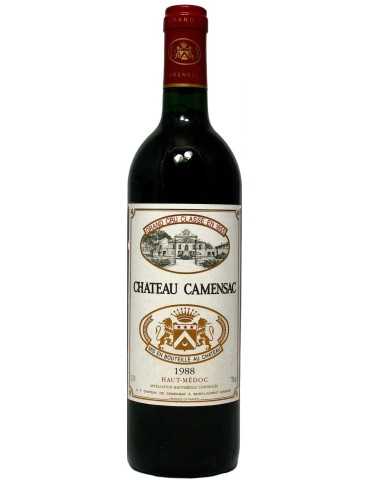
Grands Crus Classés: Château La Lagune, Château Cantemerle, Château Belgrave, Château Camensac and Château La Tour Carnet.
Other signatures: numerous Crus Bourgeois, Crus Artisans and family estates producing honest, structured and consistent Bordeaux wines.
Identity: a broad, diverse and classic appellation, ideal for discovering the Left Bank through wines with real character.
Which Haut-Médoc should you choose?
For a gift
A Grand Cru Classé, a recognised Cru Bourgeois or a well-preserved mature vintage.
For the table
A mature Haut-Médoc with beef, roast lamb, duck breast, mushrooms or slow-cooked dishes.
For ageing
A great estate, structured vintage, Cabernet-driven profile or large format to keep in the cellar.
The World Web Wines advice
Haut-Médoc is an excellent choice for Bordeaux lovers looking for classic structure, a true Left Bank identity and often more accessible prices than the most famous appellations. For drinking, favour mature vintages. For ageing, choose classified growths, recognised estates and structured vintages.
Haut-Médoc vintages: ready to drink or to keep?
Haut-Médoc wines can offer very good ageing potential, especially from classified growths and serious estates. Their evolution depends on the château, the vintage, the proportion of Cabernet Sauvignon, the format and the quality of storage.
Ready to drink now: 1982, 1985, 1986, 1989, 1990, 1995, 1996, 2000, 2001, 2003 and 2005, depending on the estate and storage quality. These vintages often show notes of cedar, tobacco, fine leather, undergrowth, light truffle and melted dark fruit.
Drink or keep: 2008, 2009, 2010, 2012, 2014 and 2015. The best estates can continue to evolve, while some bottles are already beginning to reveal fine balance.
To keep: 2016, 2018, 2019, 2020 and 2022. These recent vintages remain young for the best Haut-Médoc wines and will often gain complexity, texture and depth after a few more years in the cellar.
Food pairings with Haut-Médoc
Thanks to their structure and freshness, Haut-Médoc wines pair very well with red meats, roast lamb, duck breast, roast poultry, slow-cooked dishes, wild mushrooms, wine-based sauces and mature cheeses. Older vintages are particularly well suited to classic cuisine with reduced jus and earthy flavours.
Buy Haut-Médoc wines online
World Web Wines offers a selection of Haut-Médoc wines available online with delivery in Switzerland. Our range brings together classified growths, Crus Bourgeois, mature vintages, ready-to-drink bottles and wines selected for their provenance, balance, classic style and genuine drinking interest.
43.00 CHF
37.00 CHF
36.00 CHF
32.00 CHF
37.00 CHF