Vintage 1976 — A Solar, Rare and Highly Selective Year
The 1976 vintage was one of the most heat- and drought-driven years in Europe during the twentieth century. Harvests were often early, yields varied considerably depending on the region, and grapes reached high levels of ripeness. This extreme warmth produced wines that were powerful, rich and sometimes impressive in their youth, but also wines with fragile balance when acidity was too low or tannins did not ripen harmoniously.
Unlike more homogeneous vintages, 1976 must be approached with nuance. It is not necessary to look for successes in every appellation: the real strengths of the vintage lie in the great sweet wines, selected vintage Champagnes, top German Rieslings, some wines from Alsace and the Loire, as well as a few carefully stored Bordeaux bottles. Dry red wines, especially from Bordeaux and Burgundy, require far stricter selection today.
Sauternes 1976: Bordeaux’s Strongest Success
In Sauternes and Barsac, 1976 is one of the most reliable successes of the vintage. The natural richness of the grapes, concentration and development of noble rot allowed producers to craft broad, deep and long-lived sweet wines. Today, the finest 1976 Sauternes can still offer magnificent aromatic complexity, especially when bottles have been stored in excellent conditions.
The style of the great 1976 sweet wines combines richness, power, candied fruit, dried apricot, honey, beeswax, saffron, gentle spices, marmalade and evolved exotic fruit notes. Compared with some red wines from the same year, which may now appear dry or tired, 1976 Sauternes is often a safer and more moving choice for a mature bottle.
Examples of great wines:
- Château d’Yquem 1976 — The great Bordeaux summit of the vintage, rich, deep, complex and still highly sought after.
- Château Climens 1976 — A refined, elegant and luminous Barsac, best selected with impeccable provenance.
- Château Suduiraut 1976 — A broad and classic Sauternes, attractive for lovers of mature sweet wines.
- Château Rieussec 1976 — A rich, generous and expressive wine, to be selected according to bottle condition.
Buying priority: Sauternes 1976 is one of the most recommendable categories of the vintage, especially for an anniversary bottle, a mature-wine tasting, or pairings with foie gras, blue cheeses or lightly sweet desserts.
Champagne 1976: Richness, Power and Fine Surprises
In Champagne, 1976 was a solar, early-ripening and very mature vintage. The wines were often rich, powerful and generous, with less pronounced acidity than in more classic great years such as 1971, 1982, 1985 or 1988. This lower acidity could have suggested rapid evolution, yet certain prestige cuvées have aged remarkably well.
The finest 1976 Champagnes can offer a highly seductive profile, with aromas of ripe yellow fruit, peach, mirabelle plum, honey, brioche, hazelnut, dried fruit, wax and gently toasted notes. The vintage is particularly suited to lovers of mature Champagne with a broad, developed and generous style, less tense than the great cool years but sometimes deeply charming.
Examples of great wines:
- Dom Pérignon 1976 — One of the benchmark wines of the vintage, often remarkable when perfectly stored.
- Philipponnat Clos des Goisses 1976 — A characterful Champagne, powerful, vinous and built for evolution.
- Louis Roederer Cristal 1976 — A prestige cuvée to seek out only with reliable provenance.
- Taittinger Comtes de Champagne 1976 — An emblematic cuvée, interesting for its mature and refined expression.
Buying priority: Champagne 1976 can be very interesting, but only from major cuvées, reference houses and perfectly stored bottles. Magnums should be preferred whenever available.
Germany 1976: A Great Vintage for Riesling
Germany is one of the great success stories of the 1976 vintage. Riesling, particularly in the Mosel, Rheingau, Pfalz and Nahe, benefited from the heat to achieve impressive levels of ripeness. The finest wines, especially Auslese, Beerenauslese and Trockenbeerenauslese, can still offer superb balance today between richness, residual acidity and aromatic complexity.
The style of 1976 German Riesling can be sumptuous: candied yellow fruit, apricot, honey, wax, candied citrus, tea, gentle spices, noble petrol notes, dried fruit and great length. The best wines have a remarkable ability to age thanks to their combination of sugar, acidity and extract. For a great 1976 bottle, Germany is often one of the wisest choices.
Styles to look for:
- Riesling Auslese 1976 — A very attractive category for mature-wine tastings, combining richness and balance.
- Riesling Beerenauslese 1976 — Rare and often magnificent German sweet wines when well preserved.
- Riesling Trockenbeerenauslese 1976 — A prestigious and highly concentrated category for lovers of great sweet wines built to age.
- Historic German producers — Prioritise bottles from the Mosel, Rheingau, Nahe and Pfalz.
Buying priority: Germany 1976 is one of the strongest avenues of the vintage. Great Rieslings, especially those with residual sugar, are among the most interesting bottles to seek out today.
Alsace 1976: Mature Great Whites and Selective Bottles
In Alsace, 1976 is an interesting vintage for great white wines made from noble varieties, especially Riesling, Gewurztraminer and Pinot Gris. The warmth of the year favoured ripeness, aromatic richness and, in some cases, substantial concentration. The best bottles can still offer impressive complexity today, particularly from great terroirs or special selections.
The style varies considerably depending on grape variety. The finest Rieslings retain a mineral backbone and good structure, while Gewurztraminer and Pinot Gris may appear broader, spicier, more exotic and sometimes slightly off-dry. Selection is essential, as some wines may now lack freshness after almost half a century of evolution.
Styles to look for:
- Trimbach Clos Sainte Hune 1976 — A great dry Riesling from Alsace, rare and sought after, best chosen with perfect provenance.
- Trimbach Cuvée Frédéric Emile 1976 — A traditional benchmark Riesling, interesting for lovers of mature white wines.
- Gewurztraminer 1976 from top estates — To seek out for spicy, exotic and powerful profiles.
- Pinot Gris 1976 — Best selected from historic producers and terroir-driven cuvées.
Buying priority: Alsace 1976 deserves attention for great Rieslings and selected noble-variety cuvées, but freshness and storage condition are decisive.
Loire 1976: Chenin, Sweet Wines and Niche Great Bottles
The Loire Valley can offer beautiful surprises in 1976, especially in appellations where Chenin Blanc produces wines of great longevity. Off-dry and sweet wines from Vouvray, Montlouis, Bonnezeaux, Quarts de Chaume and Coteaux du Layon can be particularly compelling when bottles have been well stored.
Chenin naturally retains high acidity, allowing it to balance hot vintages better than many other white varieties. The finest 1976 Loire wines can now develop notes of quince, honey, wax, baked apple, dried fruit, saffron, tea, candied citrus and warm stone. Loire reds are less of a priority and should be approached with much greater caution.
Styles to look for:
- Vouvray moelleux 1976 — A very fine category for lovers of mature, balanced Chenin.
- Coteaux du Layon 1976 — Loire sweet wines to seek out from good producers.
- Quarts de Chaume 1976 — A prestigious appellation for long-lived sweet Chenin.
- Bonnezeaux 1976 — Rare, broad and complex wines, to be selected carefully.
Buying priority: Loire 1976 is mainly interesting for off-dry and sweet Chenin wines. Red wines are not a general priority.
Red Bordeaux 1976: Caution Despite a Few Fine Bottles
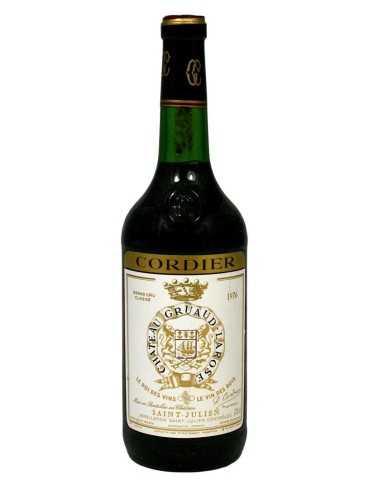
The 1976 red Bordeaux wines were often appealing in youth thanks to the ripe fruit and warmth of the vintage. Over time, however, many bottles have lost balance, especially when acidity was too low or tannins have dried out. Today, red Bordeaux 1976 should be viewed as a strictly selective category rather than a general buying priority.
The best bottles can still offer the charm of mature claret: cedar, tobacco, leather, undergrowth, gentle spices, dried black fruit and softened structure. But the risks are significant: faded fruit, dry palate, hard tannins or a short finish. Classified growths from the Médoc, larger formats and bottles from original cellars remain the most credible options.
Styles to consider with caution:
- 1976 classified growths from the Médoc — To seek only with a high fill level and clear provenance.
- Pauillac 1976 — Potentially interesting from certain crus, but without broad generalisation.
- Saint-Julien 1976 — Can offer a classic and softened profile from the best estates.
- Large-format Bordeaux 1976 — Preferable when sourced from reliable cellars.
Buying priority: Red Bordeaux 1976 should remain secondary to Sauternes. It can appeal to lovers of mature claret, but only from well-preserved bottles.
Burgundy 1976: Heat, Tannins and Very Strict Selection
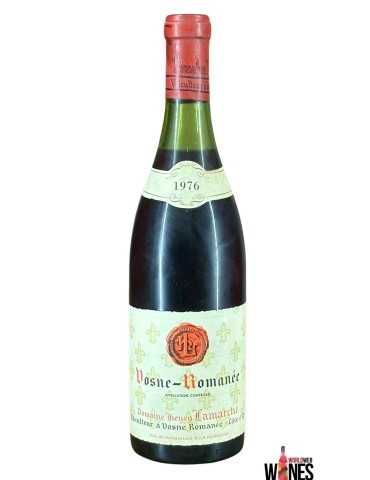
In Burgundy, 1976 is a hot and difficult vintage to interpret. Vines suffered from drought, and tannins did not always reach harmonious maturity. Many red wines can appear unbalanced, with structure dominating fruit. The Côte de Beaune often seems to have fared better than the Côte de Nuits, but caution is essential.
At this stage of evolution, only bottles from great estates, major terroirs and perfectly stable cellars truly deserve attention. The most successful wines may show notes of dried red fruit, faded rose, spice, leather, fine earth and undergrowth, but the risk of dryness is high.
Styles to consider with caution:
- 1976 grands crus from the Côte de Beaune — Prefer only from top producers and with reliable provenance.
- Volnay, Pommard or Corton 1976 — Potentially interesting, but highly dependent on producer.
- Top Côte de Nuits estates 1976 — To be assessed strictly bottle by bottle.
Buying priority: Red Burgundy 1976 is not a general buying priority. Focus only on very top names, large formats or bottles with fully documented provenance.
Italy 1976: Some Interest, but Not a Major Focus
In Italy, 1976 should not be considered a major reference vintage. In Piedmont, the wines can be elegant, balanced and delicately perfumed from certain producers, but the vintage is generally less sought after than surrounding great years such as 1971, 1978 or 1982. Barolo and Barbaresco 1976 should therefore be selected with caution.
In Tuscany, some bottles may hold historical or patrimonial interest, particularly from traditional producers or great Cabernet-based wines, but 1976 is not a year to seek systematically. When buying, storage condition matters far more than appellation alone.
Styles to consider:
- Barolo 1976 from top producers — Buy only with clear provenance and a coherent price.
- Barbaresco 1976 — Potential for finesse from certain estates, but strict selection is essential.
- Mature Tuscan wines from 1976 — Best considered for collection interest or historical tastings.
Buying priority: Italy 1976 is not a priority category. Purchases should remain targeted, carefully judged and based more on producer reputation than on the vintage alone.
Buying a 1976 Wine: Prioritise Sweet Wines, Rieslings and Prestige Cuvées
Buying a 1976 wine requires a precise reading of the vintage. The year produced solar, rich and sometimes magnificent wines, but dry reds can now suffer from a lack of freshness or dried-out tannins. The most reliable categories are Sauternes, great German Rieslings, selected vintage Champagnes, great white wines from Alsace and sweet Chenin Blanc from the Loire.
For red wines, caution is essential. Bordeaux, Burgundy, Rhône or Italy can provide isolated fine bottles, but there is no need to search for successes in every appellation. At this age, fill level, colour, capsule condition, absence of seepage, bottle format and provenance matter more than the general reputation of the vintage.
For tasting, sweet wines and great Rieslings can be opened without haste and served slightly chilled. Mature reds should be handled with great delicacy: stand the bottle upright before opening, extract the cork slowly, serve carefully and limit decanting unless the wine clearly requires it after tasting.
Summary of the 1976 Vintage
- Sauternes 1976 — One of the major strengths of the vintage, with rich, complex sweet wines that remain highly interesting today.
- Champagne 1976 — A solar, rich and powerful vintage, remarkable in certain perfectly stored prestige cuvées.
- Germany 1976 — A major focus for Riesling, especially Auslese, Beerenauslese and Trockenbeerenauslese.
- Alsace 1976 — Interesting for great Rieslings, Gewurztraminers and Pinot Gris from historic estates.
- Loire 1976 — A fine avenue for off-dry and sweet Chenin, especially Vouvray, Coteaux du Layon, Quarts de Chaume and Bonnezeaux.
- Red Bordeaux 1976 — A secondary category today, best reserved for well-preserved bottles and lovers of mature claret.
- Burgundy 1976 — A hot and irregular vintage, with risks of dry tannins; very strict selection is essential.
- Italy 1976 — Some interest from top producers, but not a major focus of the vintage.
1976: A Solar Vintage to Choose with Discernment
The 1976 vintage was a solar, early-ripening year marked by drought. Its success should not be measured by overall consistency, but by a few particularly strong categories: Sauternes, great German Rieslings, selected vintage Champagnes, great white wines from Alsace and sweet Chenin Blanc from the Loire. Dry red wines can offer fine experiences when they come from major estates and impeccable cellars, but they must be approached with caution. A great bottle of 1976 can be superb, but it must be chosen carefully, prioritising provenance, wine style and the natural ability of the grape variety or appellation to age gracefully.