English
 Français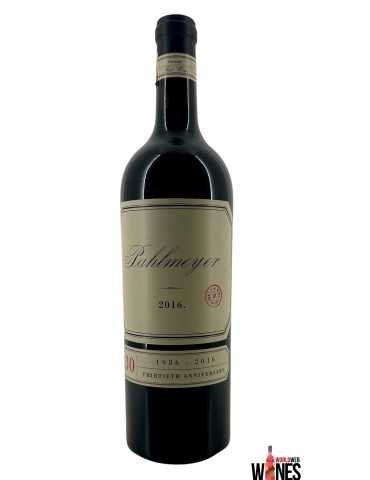
178.00 CHF

United States • California • Napa Valley • Pahlmeyer • Cabernet Sauvignon • Chardonnay • Bordeaux Blend • Jayson
Pahlmeyer — Bordeaux Ambition Born in the Heights of Napa Valley
Pahlmeyer is one of the emblematic names of Napa Valley. Founded by Jayson Pahlmeyer, the estate established itself from the 1980s onward with a bold vision: to produce in California a great wine inspired by the finest Bordeaux blends, yet deeply rooted in the energy, ripeness and power of Napa’s mountain terroirs.
The Pahlmeyer style is built around dense, expressive and age-worthy wines, made from rigorously selected fruit grown on high-altitude vineyards and particularly qualitative sites. The cuvées combine concentration, texture, black fruit, careful ageing and depth, in an unmistakably Californian expression that remains sought after for its balance.
The spirit of the estate
A Napa Valley of character, born from Bordeaux inspiration and shaped by mountain fruit. Pahlmeyer seeks profound, generous and structured wines, where the natural power of the Californian climate is matched by strict selection, controlled ageing and long persistence on the palate.
History: Jayson Pahlmeyer’s Californian dream
The story of Pahlmeyer begins with the ambition of Jayson Pahlmeyer, a visionary entrepreneur fascinated by the great wines of Bordeaux. His aim was to create in Napa Valley a wine capable of combining Californian intensity with the structure and depth of great classical blends.
The first commercial vintage in the 1980s quickly drew the attention of wine lovers and critics. Pahlmeyer then became one of the symbols of a generation of Californian estates that helped redefine Napa Valley’s level of ambition, especially for Cabernet Sauvignon-dominant blends.
Today, the estate continues this search for balanced power and precision, with a range that includes the great Pahlmeyer cuvées, the Jayson by Pahlmeyer wines and certain more confidential selections. The current winemaking is notably associated with the work of Katie Vogt, continuing a style based on selection, density and fruit expression.
Terroirs: the mountain vineyards of Napa Valley
Pahlmeyer’s identity is closely linked to the mountain vineyards of Napa Valley. These high-altitude sites offer demanding conditions: steep slopes, poor soils, diurnal temperature shifts, generous sunshine and long ripening periods. They produce concentrated grapes with natural structure and aromatic intensity, hallmarks of great Napa wines.
Pahlmeyer cuvées draw on several qualitative sources, including renowned sites such as Waters Ranch, Stagecoach, Antica, Vangone and Upper Range, depending on the wine and vintage. This diversity allows the estate to craft deep, structured and nuanced blends, where each origin brings a distinct dimension.
Cabernet Sauvignon plays a central role in the estate’s identity, often accompanied by Merlot, Cabernet Franc, Petit Verdot or Malbec depending on the cuvée. Chardonnay also holds an important place, in a broad, textured and intensely Californian style, built with increasing attention to balance and tension.
Terroir expression: Napa Valley, high-altitude vineyards, Cabernet Sauvignon, Merlot, Cabernet Franc, Petit Verdot, Chardonnay, black fruit, graphite, spice, broad texture and great ripeness.
Pahlmeyer signature: powerful, profound, generous and structured wines, with a search for complexity, selection and longevity.
Viticulture: strict selection and controlled ripeness
Viticulture is based on demanding fruit selection, with particular attention paid to phenolic ripeness, the natural balance of the grapes and the expression of each parcel. Mountain vineyards require precise work, as their low vigour and sometimes extreme conditions produce very concentrated grapes.
The goal is not merely to achieve richness, but to preserve the balance between ripeness, freshness and tannic structure. This tension between concentration and precision is one of the keys to the Pahlmeyer style, especially in the great red blends built for ageing.
Aromatic profile
Young reds: cassis, blackberry, black cherry, plum, violet, cocoa, graphite, cedar, fine vanilla and sweet spices.
Evolved reds: tobacco, fine leather, mocha, liquorice, candied black fruits, dry forest floor, noble spices and lightly smoky notes.
Chardonnay: ripe pear, yellow peach, candied lemon, white flowers, hazelnut, brioche, fresh butter and long finish.
Overall impression: broad, deep and expressive Californian wines, where fruit richness is matched by real ageing ambition.
Vinification: controlled power and precise ageing
Winemaking at Pahlmeyer aims to translate the depth of mountain fruit without hardening the textures. Lots are rigorously selected, then vinified and aged to preserve density, complexity and length.
Reds: careful extraction, search for ripe tannins, deep fruit and structure capable of long evolution.
Chardonnay: vinification and ageing designed to preserve texture, breadth and aromatic complexity.
Selection: only the most complete lots enter the main cuvées, while others may join more accessible expressions.
Philosophy: produce dense and refined wines, faithful to the intensity of Napa Valley, without giving up balance or precision.
Wine style
Pahlmeyer red wines are marked by great fruit intensity, enveloping texture and ambitious tannic structure. They express the richness of Napa Valley in a deep, spicy and long register, with notes of black fruits, cedar, chocolate, graphite and precious woods.
The Chardonnays show a broad and textured profile, combining ripe fruit, floral notes, a buttery touch, hazelnut and persistent finish. The best vintages gain complexity with age, while the Jayson cuvées offer a more immediate and accessible approach to the Pahlmeyer style.
Emblematic cuvées
Pahlmeyer Proprietary Red: the historic and emblematic cuvée, a Napa Valley Bordeaux blend, dense, structured, profound and built for ageing.
Pahlmeyer Chardonnay: a broad and textured white, marked by ripe fruit, ageing complexity, length and Californian richness.
Jayson by Pahlmeyer: a more accessible range, carrying the spirit of the estate in a more immediate, generous and supple style.
Les Élus: confidential and very limited selections, produced only when certain lots reach a particularly remarkable level of expression.
Merlot and Cabernet Sauvignon: varietal cuvées depending on vintage and availability, illustrating the depth of great Bordeaux varieties in Napa Valley.
Ageing and gastronomic pairings
The great Pahlmeyer reds can evolve for 10 to 25 years depending on the cuvée and vintage. The wines then gain complexity, with notes of tobacco, mocha, fine leather, candied black fruits and spices. The Chardonnays can also develop beautiful nuances of hazelnut, wax and ripe fruit after a few years in the cellar.
At the table, the reds pair beautifully with rib of beef, beef fillet, roast lamb, game, duck, grilled meats, reduced jus dishes, mushrooms, black truffle and mature cheeses. The Chardonnay works well with lobster, scallops, creamed poultry, noble fish, risotto, hard cheeses and brown-butter cuisine.
Key facts
Country: United States
Region: California, Napa Valley
Estate: Pahlmeyer
Founder: Jayson Pahlmeyer
First vintage: 1986 for the estate’s emblematic wine
Current figure: Katie Vogt, winemaker
Main grape varieties: Cabernet Sauvignon, Merlot, Cabernet Franc, Petit Verdot, Malbec, Chardonnay
Major vineyard sources: Waters Ranch, Stagecoach, Antica, Vangone and Upper Range depending on cuvée and vintage
Style: deep, concentrated, structured, expressive and textured Napa Valley wines built for ageing.
In summary: Pahlmeyer is one of the great modern signatures of Napa Valley. Founded by Jayson Pahlmeyer with the ambition of creating a great Californian wine inspired by Bordeaux, the estate produces profound, structured and intensely expressive reds, as well as broad and textured Chardonnays. Collectible wines shaped by mountain fruit, strict selection and a strong Californian personality.
Dominant aromas: cassis, blackberry, black cherry, plum, violet, cocoa, graphite, cedar, fine vanilla, tobacco, mocha, liquorice, ripe pear, yellow peach, hazelnut and a long textured finish.
Current selection
Discover below the bottles from Pahlmeyer currently available at World Web Wines, selected according to arrivals, vintage quality, bottle condition and the ageing potential of the cuvées.