English
 Français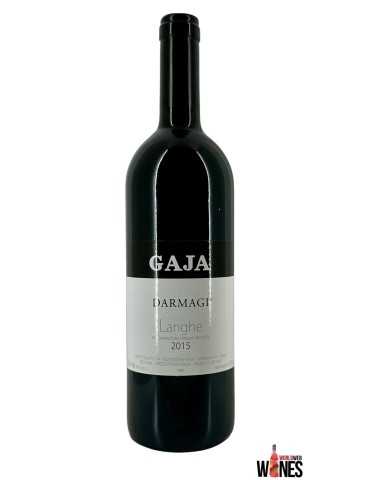
210.00 CHF

Italy • Piedmont • Barbaresco • Gaja • Nebbiolo • Fine Italian wines
Gaja — The modern icon of fine Italian wines
Gaja is one of Italy’s most prestigious wine houses and one of the most influential names in the modern history of wine. Founded in 1859 in Barbaresco, in Piedmont, this family estate profoundly transformed the image of Nebbiolo, the Langhe and fine Italian wines on the international stage.
Under the impulse of Angelo Gaja, and later of the new generation represented by Gaia, Rossana and Giovanni Gaja, the house has united Piedmontese tradition, innovation, parcel precision and high qualitative ambition. From Barbaresco to Barolo, then from Montalcino to Bolgheri, Gaja embodies an Italian vision of fine wine: elegant, profound, structured and built for ageing.
The spirit of the house
Gaja is not merely a Piedmontese estate. It is a visionary Italian house, able to bring the historic identity of Nebbiolo into dialogue with a constant search for precision, purity and depth. Its wines combine aromatic nobility, chiselled structure, silky texture and remarkable ageing capacity.
History and identity of Gaja
The history of Gaja began in 1859, when Giovanni Gaja founded the house in Barbaresco. Over the generations, the family built a reputation for seriousness, exacting standards and consistency, eventually making the Gaja name one of the great symbols of Italian wine.
From the 1960s and 1970s onwards, Angelo Gaja played a decisive role in the modernisation of Piedmont. He introduced a more precise approach to vineyard work, reduced yields, refined grape selection, worked parcels separately and rethought ageing in order to give the wines greater depth, definition and international stature.
This evolution never sought to erase the identity of the Langhe. On the contrary, Gaja helped reveal the potential of Nebbiolo with a new ambition: to produce wines capable of standing alongside the greatest crus in the world while preserving the tension, complexity and aromatic nobility of Piedmont.
Barbaresco: the historic heart
The historic heart of Gaja remains in Barbaresco, in the Langhe. Here, Nebbiolo finds an expression of finesse, tension and aromatic complexity. The house’s historic wine, Gaja Barbaresco, remains one of the great references of the appellation, combining floral depth, noble structure and outstanding ageing potential.
The single-vineyard cuvées Costa Russi, Sorì Tildin and Sorì San Lorenzo have played a major role in bringing Barbaresco to the attention of collectors and lovers of fine wine. Each expresses a different nuance of Nebbiolo: more silky, more floral, more profound or more structured depending on the terroir and the vintage.
Terroir expression: Barbaresco, Langhe, Nebbiolo, limestone and marl soils, rose, violet, black cherry, truffle, noble tar, tension and long ageing potential.
Gaja signature: parcel precision, aromatic purity, fine tannins, depth, controlled ageing, contemporary elegance and great longevity.
Barolo, Montalcino and Bolgheri
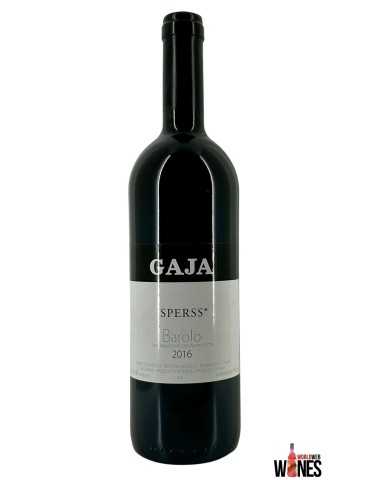
Gaja’s influence extends far beyond Barbaresco. In the Barolo area, the house produces major cuvées such as Sperss and Conteisa, which express a more structured, profound and mineral facet of Nebbiolo. These wines complete the Barbaresco universe with a more austere, more vertical and often more powerful dimension.
In Tuscany, Gaja has developed two important poles. Pieve Santa Restituta, in Montalcino, allows the house to interpret Sangiovese through the world of Brunello. Ca’ Marcanda, in Bolgheri, explores a more Mediterranean expression, built around Bordeaux-inspired blends marked by ripe fruit, suppleness and contemporary elegance.
This presence across several Italian terroirs does not dilute the identity of Gaja. It instead reveals the coherence of a vision: to understand each place, adapt vineyard and cellar work, preserve elegance and seek wines that are deep, balanced and capable of evolving over time.
Viticulture: precision, observation and adaptation
The Gaja house places essential importance on the vineyard. Its work is based on parcel observation, controlled yields, the search for precise ripeness and rigorous grape selection. Each site is considered in its own individuality, in order to preserve the personality of the terroir.
The current generation continues this demanding approach with growing attention to biodiversity, soil vitality and climate adaptation. Gaja’s philosophy is not based on a fixed formula, but on a constant ability to adjust between family tradition, technical precision and a living understanding of the vineyard.
House profile
Structure: precise, deep, slender, textured and built for long ageing.
Nebbiolo: black cherry, morello cherry, faded rose, violet, raspberry, blood orange, liquorice, noble tar, truffle, fine leather, tobacco and gentle spices.
Chardonnay: ripe lemon, pear, white peach, hazelnut, white flowers, fresh butter, warm stone, salinity and long mineral tension.
Personality: noble, precise and profound wines, where aromatic intensity is always carried by balance and length.
Vinification and ageing
Vinification at Gaja is based on a precise approach adapted to each cuvée. Fermentations are carefully managed, extractions remain measured and the aim is to preserve fruit purity, tannic finesse and the aromatic identity of each terroir.
Depending on the wine, ageing combines barrels, larger vessels and extended time. The aim is not to mark the wines with oak, but to accompany their structure, refine their texture and give them the stability required for harmonious evolution in bottle.
Harvest: rigorous grape selection and a search for full ripeness without excess.
Vinification: precise work for each cuvée, gentle extraction and respect for aromatic purity.
Ageing: a combination of barrels and larger vessels depending on the wine, with a search for balance between structure, texture and terroir expression.
Philosophy: uniting Piedmontese classicism, contemporary exacting standards and faithful expression of Italy’s great terroirs.
Style of the wines
The Gaja style is recognisable for its combination of aromatic nobility, chiselled structure and silky texture. The house’s Nebbiolo wines unite the classic tension of the Langhe with contemporary precision: fine but present tannins, pure fruit, floral notes, spice, depth and great persistence.
Over time, the greatest Gaja wines develop nuances of truffle, noble tar, leather, tobacco, dried rose, undergrowth and gentle spices. The whites, especially Gaia & Rey, stand out for their volume, salinity and tension, while the Tuscan cuvées express a more Mediterranean, dense and velvety facet of the house.
Emblematic cuvées
Piedmont
Gaja Barbaresco: the historic wine of the house, produced from several Barbaresco parcels. Elegance, balance, floral depth and great ageing capacity.
Costa Russi: a silky and refined cuvée, often marked by softer fruit, enveloping texture and great finesse.
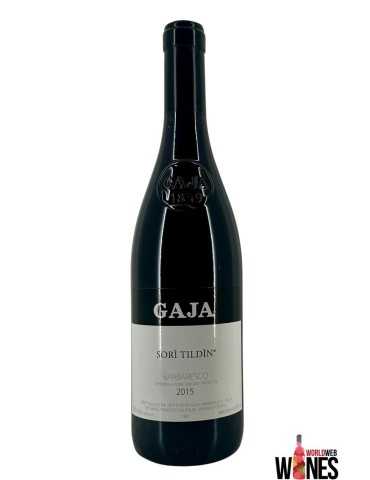
Sorì Tildin: a cuvée of great elegance, firmer and more tense, with fine structure, remarkable acidity and floral depth.
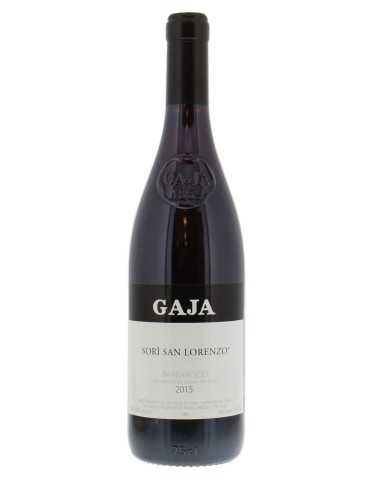
Sorì San Lorenzo: a more powerful, spicy and concentrated expression, built for long ageing.
Sperss: a great wine from the Barolo area, profound, mineral, structured and intense, embodying the noble power of Nebbiolo.
Conteisa: another major expression of Barolo, more refined and tense, with great aromatic complexity.
Gaia & Rey: a great Italian Chardonnay, rare, saline, ample and vibrant, now one of the country’s most sought-after white wines.
Tuscany
Pieve Santa Restituta: the Montalcino estate dedicated to Brunello, expressing the depth and elegance of Sangiovese.
Ca’ Marcanda: the Bolgheri estate dedicated to Mediterranean blends of Bordeaux inspiration.
Magari and Promis: more accessible Tuscan cuvées, combining intensity, ripe fruit, suppleness and contemporary elegance.
A major influence on Italian wine
Gaja occupies a unique place in the modern history of Italian wine. The house helped change the way Barbaresco was perceived, demonstrated that Italian wines could stand alongside the greatest international crus, and encouraged a generation of producers to aim higher without renouncing their identity.
This influence rests on a rare combination: brand power, vineyard exacting standards, precise vinification, attention to detail and the ability to produce wines that speak equally to collectors, sommeliers and lovers of great age-worthy wines.
Vintages, ageing and collection
The great wines of Gaja are made to evolve over time. The best Barbaresco and Barolo vintages can develop remarkable complexity over several decades, with notes of dried flowers, truffle, fine leather, noble tar, undergrowth and spice.
Gaja’s Piedmontese cuvées appeal to collectors through their rarity, consistency and depth. The Tuscan wines offer a more solar and Mediterranean reading, while Gaia & Rey holds a singular place among Italy’s great age-worthy white wines.
Key information
Country: Italy
Historic region: Piedmont, Barbaresco
House: Gaja
Founded: 1859, by Giovanni Gaja
Family: Angelo Gaja, Gaia Gaja, Rossana Gaja and Giovanni Gaja
Main areas: Barbaresco, Barolo, Montalcino, Bolgheri
Main grape varieties: Nebbiolo, Sangiovese, Chardonnay, Cabernet Sauvignon, Merlot
Iconic cuvées: Barbaresco, Costa Russi, Sorì Tildin, Sorì San Lorenzo, Sperss, Conteisa, Gaia & Rey, Pieve Santa Restituta, Ca’ Marcanda
Style: noble, precise, profound, textured, long, floral, spicy, elegant and built for ageing.
In summary: Gaja is one of the most influential houses in the history of Italian wine. Founded in 1859 in Barbaresco, it brought Nebbiolo, the Langhe and Italy’s great terroirs to the world stage through a vision combining tradition, innovation, parcel precision and a constant pursuit of excellence.
Dominant aromas: black cherry, morello cherry, faded rose, violet, truffle, noble tar, fine leather, tobacco, gentle spices, ripe lemon, pear, hazelnut, cassis, plum, cedar and a long mineral finish.
Current selection
Available bottles of Gaja
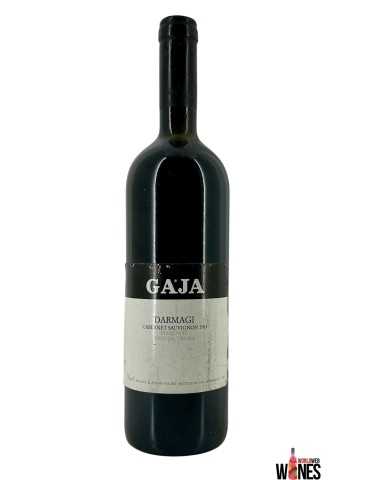
Discover our current selection of Gaja: Barbaresco, Costa Russi, Sorì Tildin, Sorì San Lorenzo, Sperss, Conteisa, Gaia & Rey, Pieve Santa Restituta, Ca’ Marcanda and other bottles intended for lovers of fine Italian wines. Each bottle should be chosen according to its cuvée, vintage, condition, fill level, provenance and tasting potential.
410.00 CHF
178.00 CHF
324.00 CHF