English
 Français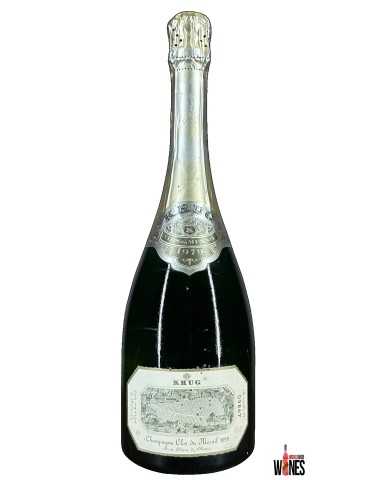
4,486.00 CHF

France • Champagne • Reims • Krug • Prestige Champagne
Krug — The absolute art of Champagne blending
Krug is one of the most prestigious houses in Champagne and one of the most sought-after names among lovers of great sparkling wines. Founded in Reims in 1843 by Joseph Krug, the house was built around a singular vision: to create every year a Champagne of exceptional richness, depth and consistency, regardless of the variations of the vintage.
This philosophy makes Krug a house apart in Champagne. Where many cuvées seek consistency through style, Krug builds it through complexity: parcel-by-parcel vinification, fermentation in small oak casks, an extensive library of reserve wines, precise blending and patient ageing. The result is a range of Champagnes that are deep, textured, gastronomic and immediately recognisable.
The spirit of the house
Krug does not see Champagne merely as a wine of celebration, but as a great wine in its own right. Each cuvée seeks to express the depth of Champagne terroirs, the richness of blending and a rare gastronomic dimension, where intensity, freshness, texture and length respond to one another with remarkable precision.
History and identity of Krug
The story of Krug began in 1843, when Joseph Krug founded his house in Reims with a very clear ambition: to offer the best possible Champagne every year, even when vintage conditions were not ideal. This founding idea would give birth to Krug Grande Cuvée, the house’s most emblematic expression.
Joseph Krug understood very early that the greatness of Champagne does not depend solely on a single year, but on the ability to blend wines from different parcels, grape varieties and vintages. This highly demanding approach allowed the house to pursue a form of timeless richness rather than a simple annual signature.
Krug remains faithful to this vision today. Each base wine is tasted, followed and preserved according to its own identity before potentially entering the final blend. In this way, the house cultivates a living memory of Champagne, expressed through its reserve wines and its mastery of blending.
A rare parcel-by-parcel approach in Champagne
Krug is built on an extremely precise reading of Champagne terroirs. Grapes come from selected parcels across the great sectors of Champagne, notably the Montagne de Reims, the Côte des Blancs and the Vallée de la Marne. Each parcel is considered as an individual expression, with its own character, energy and potential role in the blend.
This parcel-based approach gives the house an immense aromatic palette. Some parcels bring structure and power, others finesse, tension, fruit, roundness or depth. The art of Krug lies in bringing these elements together without erasing their individuality, creating a Champagne that is complex, alive and deeply harmonious.
Terroir expression: Reims, Montagne de Reims, Côte des Blancs, Vallée de la Marne, Pinot Noir, Chardonnay, Meunier, parcel vinification and reserve wines.
Krug signature: highly precise blending, fermentation in small oak casks, aromatic depth, ample texture, savoury freshness and a strong gastronomic dimension.
Pinot Noir, Chardonnay and Meunier
Krug works with the three great grape varieties of Champagne: Pinot Noir, Chardonnay and Meunier. Pinot Noir brings structure, depth, vinous character and intensity. Chardonnay gives tension, elegance, finesse and length. Meunier contributes fruit, generosity and roundness to certain blends.
The strength of the house lies in its ability never to confine these grape varieties to fixed roles. Depending on the year, the parcels and the reserve wines available, each variety can contribute differently to the final balance. This freedom of blending gives Krug Champagnes their depth and multidimensional character.
Small oak cask vinification and reserve wines
One of Krug’s great singularities lies in the fermentation of its wines in small oak casks. This practice is not intended to mark the wines with oak, but to give them texture, breath, structure and complexity. It contributes to the aromatic depth and tactile sensation that distinguish the house’s cuvées.
Krug also holds an important collection of reserve wines, preserved in order to bring depth, memory and continuity to its blends. These wines, drawn from previous vintages, enrich Grande Cuvée and allow the house to maintain Joseph Krug’s original ambition: creating a very great Champagne every year.
A blend may bring together a very large number of wines from different parcels and years. This patient construction gives rise to complex Champagnes whose aromas unfold in successive layers: ripe fruit, candied citrus, brioche, hazelnut, spice, flowers, honey, dried fruit and mineral notes.
House profile
Structure: ample, deep, vinous, precise and carried by persistent freshness.
Aromatic expression: candied citrus, stone fruit, roasted apple, brioche, hazelnut, almond, honey, fine spices and mineral notes.
Texture: broad palate, fine mousse, savoury tension, gastronomic relief and long finish.
Personality: a Champagne of depth and gastronomy, closer to a great wine than to a simple aperitif Champagne.
Krug Grande Cuvée: the founding signature
Krug Grande Cuvée embodies Joseph Krug’s original vision. It is not an ordinary non-vintage Champagne, but a creation renewed with each edition, crafted to express a richness and complexity greater than those of a single vintage.
Each edition of Krug Grande Cuvée is built around a base year and enriched by numerous reserve wines. This method gives the cuvée its depth, relief and immediately recognisable style: aromatic intensity, ample texture, mouth-watering tension and remarkable length.
Krug Vintage: the expression of a singular year
Krug Vintage is produced only when the house considers that a year deserves to be interpreted in its own character. Unlike Grande Cuvée, which seeks harmony beyond the vintage, Krug Vintage tells the story of a precise year, with its contrasts, energy and relief.
Great Krug vintages can evolve for several decades. They seduce through their vinous depth, complexity and ability to develop notes of dried fruit, pastry, spice, truffle, honey, candied fruit and chalk over time.
Clos du Mesnil and Clos d’Ambonnay
Krug Clos du Mesnil is one of the most mythical cuvées in Champagne. From a walled plot of approximately 1.84 hectares in Le Mesnil-sur-Oger, it expresses Chardonnay in a form of rare purity: mineral tension, precision, chalky energy and great longevity.
Krug Clos d’Ambonnay represents the other side of this parcel-based vision. From a confidential Pinot Noir plot in Ambonnay, it offers a deeper, rarer and more vinous expression, with exceptional intensity and extremely limited production.
Style of Krug Champagnes
The Krug style is recognisable for its aromatic depth, ample texture and balance between intensity and freshness. The wines often reveal notes of candied citrus, yellow fruit, roasted apple, hazelnut, brioche, honey, gentle spices, dried fruit and chalk.
On the palate, Krug is defined by fine mousse, broad substance, mineral energy and a mouth-watering finish. These are Champagnes made for the table, capable of accompanying demanding dishes, rich textures and refined gastronomy.
Emblematic cuvées
Krug Grande Cuvée: the house signature, created around a complex blend of numerous wines and several years. A cuvée of depth, richness and balance.
Krug Rosé: a gastronomic rosé Champagne, deep, structured and spicy, designed more for the table than for a simple aperitif tasting.
Krug Vintage: the interpretation of a singular year, produced only when the vintage has a sufficiently strong personality.
Krug Clos du Mesnil: a Blanc de Blancs from a walled plot in Le Mesnil-sur-Oger, offering a pure, tense and mineral expression of Chardonnay.
Krug Clos d’Ambonnay: a rare and profound Blanc de Noirs from a confidential Pinot Noir plot in Ambonnay.
Great vintages and ageing potential
Krug is one of the Champagne houses whose wines age remarkably well. Vintage cuvées, the Clos wines and certain older editions of Grande Cuvée can evolve for many years, gaining complexity, depth and tertiary nuance.
Among the most sought-after vintages are 1988, 1989, 1990, 1995, 1996, 1998, 2002, 2004, 2006, 2008, 2011, 2012 and 2013. Depending on storage conditions, the finest bottles can develop remarkable complexity, with notes of dried fruit, honey, truffle, pastry, spice and chalky tension.
Key information
Region: Champagne, France
House: Krug
Founded: 1843, in Reims
Founder: Joseph Krug
Grape varieties: Pinot Noir, Chardonnay and Meunier
Vinification signature: parcel-by-parcel vinification, fermentation in small oak casks and blending with numerous reserve wines
Emblematic cuvées: Grande Cuvée, Krug Rosé, Krug Vintage, Clos du Mesnil, Clos d’Ambonnay
Iconic parcels: Clos du Mesnil and Clos d’Ambonnay
Style: deep, vinous, ample, textured, complex, gastronomic, mineral and highly age-worthy.
In summary: Krug embodies one of the most ambitious visions of Champagne. Through its parcel-based approach, fermentation in small oak casks, art of blending and masterful use of reserve wines, the house produces Champagnes of exceptional depth, complexity and gastronomic dimension.
Dominant aromas: candied citrus, ripe lemon, yellow fruit, roasted apple, brioche, hazelnut, almond, honey, gentle spices, dried fruit, chalk, truffle and a long saline finish.
Current selection
Available bottles of Krug
Discover our current selection of Krug: Grande Cuvée, Krug Rosé, rare vintages, Clos du Mesnil, Clos d’Ambonnay and bottles intended for lovers of great gastronomic Champagnes. Each bottle should be chosen according to its cuvée, edition, vintage, condition, provenance and tasting potential.