English
 Français
Filters (79 products)
Italy • Piedmont • Barolo • Nebbiolo • DOCG • Great age-worthy wines
Barolo, great Piedmont wine, benchmark of Nebbiolo and Italian age-worthy red
Barolo represents one of the noblest expressions of Nebbiolo. Produced in the heart of Piedmont, in the hills of the Langhe, this great Italian red wine is defined by its structure, aromatic intensity, depth and remarkable ageing potential.
Buying Barolo online gives access to one of Italy’s most prestigious appellations. Powerful, refined, tannic and complex, Barolo is sought after by lovers of great age-worthy wines, collectors and passionate admirers of Nebbiolo.
The spirit of Barolo
Barolo is a wine of patience, terroir and depth. Its balance rests on the nobility of Nebbiolo, the natural tension of Piedmont, firm tannins and a unique ability to evolve towards complex aromas of rose, truffle, leather, tobacco, undergrowth and fine spices.
Origin and terroir of Barolo
The Barolo DOCG appellation extends around the village of Barolo, south of Alba, in the province of Cuneo. It covers eleven communes, including La Morra, Serralunga d’Alba, Monforte d’Alba, Castiglione Falletto and Barolo. This mosaic of villages and hills explains the great diversity of styles found within the appellation.
Barolo terroirs vary strongly according to soil and exposure. The Tortonian marls of La Morra and Barolo often produce more perfumed, supple wines that are more accessible in their youth. The more compact clay-rich soils of Serralunga d’Alba and Monforte d’Alba generally give denser, more powerful Barolo wines built for long ageing.
Nebbiolo: the unique grape of Barolo
Barolo is made exclusively from Nebbiolo, Piedmont’s noble grape variety. Demanding, late-ripening and highly sensitive to terroir, it produces wines that are pale in colour yet powerful in structure, marked by high acidity, firm tannins and great aromatic complexity.
In its youth: Barolo may express aromas of cherry, faded rose, violet, liquorice, noble tar and sometimes truffle.
With age: it evolves towards deeper notes of leather, tobacco, mushroom, undergrowth, spices, truffle and balsamic nuances.
On the palate: Nebbiolo combines power, tension, length and a tannic texture that softens over time.
Regulations, DOCG and great MGA crus
Barolo holds DOCG status, Italy’s highest wine classification. To bear this name, the wine must be produced exclusively from Nebbiolo grown within the delimited production area of the appellation.
The regulations require a minimum ageing period of 38 months, including at least 18 months in oak casks. The Riserva designation requires extended ageing of 62 months, underlining an even stronger vocation for ageing.
MGA: since 2010, the appellation has recognised Menzioni Geografiche Aggiuntive, equivalent to crus, which specify the origin of the grapes.
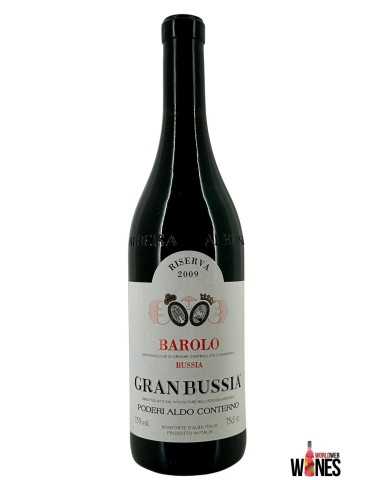
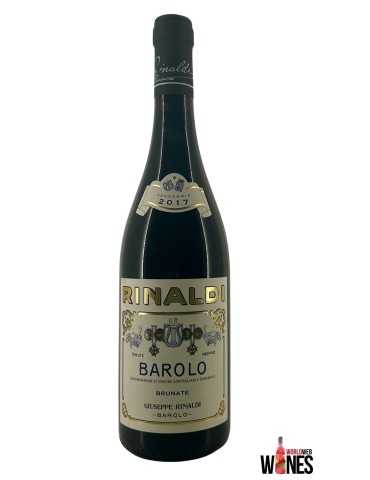
Emblematic crus: Cannubi, Brunate, Rocche di Castiglione, Bussia and Vigna Rionda are among the most sought-after names.
Terroir expression: each cru offers a different interpretation of Nebbiolo, from floral finesse to tannic power, depth and longevity.
Wine characteristics
Barolo is distinguished by a colour that is often light garnet, evolving towards orange reflections with age. Its bouquet can be floral, spicy, earthy and profound. Rose, cherry, liquorice, tar, tobacco and truffle are among its most emblematic aromatic signatures.
On the palate, Barolo combines tannic structure, freshness, tension and great persistence. In its youth, it can appear austere or reserved. With time, it gains harmony, complexity and nobility of texture.
Choose according to your occasion
For a cellar: choose a Barolo from a great terroir, a structured vintage and a recognised producer.
For a gastronomic meal: favour a Barolo that has already softened, with several years in bottle.
For a prestigious gift: select a cuvée from a great estate, a Riserva or an emblematic cru.
For a prestige tasting: serve a mature Barolo to enjoy its tertiary complexity.
Ageing potential
Barolo is one of Italy’s greatest age-worthy wines. Thanks to its tannic structure, natural acidity and the depth of Nebbiolo, it can evolve for many years. The finest vintages and top producers sometimes allow several decades of ageing.
When young, Barolo can be firm, closed or austere. With time, the tannins soften, the bouquet gains complexity and the aromas evolve towards dried rose, truffle, leather, tobacco, undergrowth and fine spices. Certain legendary cuvées, such as great Barolo Riserva wines, fully illustrate the nobility of this evolution.
Food pairings with Barolo
Barolo naturally pairs with rich, deep and flavourful dishes. Its structure, freshness and length allow it to stand up to meats, sauces, mushrooms, aged cheeses and truffle-based recipes.
Red meats: grilled or braised meats, roast beef, lamb, slow-cooked dishes and deep sauces.
Game: venison, wild boar, hare, pheasant or autumnal recipes with intense flavours.
Piedmont cuisine: fresh pasta with white Alba truffles, sweetbreads, mushrooms, brasato al Barolo and risotti.
Aged cheeses: Castelmagno, Parmigiano-Reggiano, characterful cheeses and long-aged hard cheeses.
How to choose a Barolo
The choice of a Barolo depends on the producer, cru, vintage, desired style and occasion. Some Barolo wines emphasise floral finesse and suppleness, while others are more powerful, tannic and built for very long ageing.
To drink soon: choose a more mature vintage or a softer style from more accessible terroirs.
For ageing: favour great crus, renowned producers and structured vintages.
For gifting: select a Riserva, a recognised cru or a cuvée from an emblematic Piedmont estate.
For gastronomy: match the style of Barolo to the intensity of the dish, from braised meats to truffle-based recipes.
Buy Barolo online
A curated selection available with delivery in Switzerland
World Web Wines offers a selection of Barolo available online with delivery in Switzerland. Each bottle is chosen for its authenticity, balance, prestige and genuine tasting interest: great estates, emblematic crus, age-worthy vintages, Riserva wines and exceptional Piedmont bottles.
Explore our selection of Piedmont wines to find a Barolo suited to a great meal, a personal cellar, a prestigious gift or a tasting of fine Italian wines.
Our promise: a clear and demanding selection of Barolo, designed to help you choose the right bottle according to producer, cru, vintage, style, ageing potential, occasion and the emotion you are looking for.
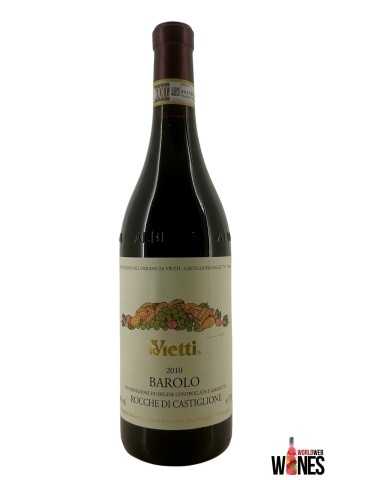
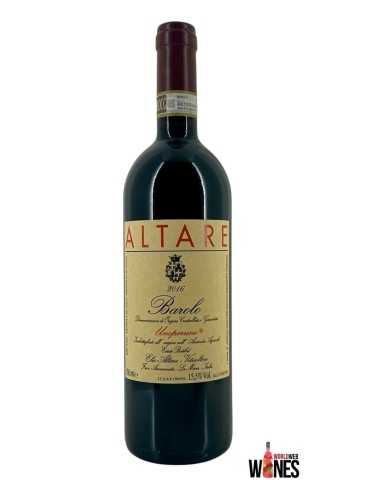
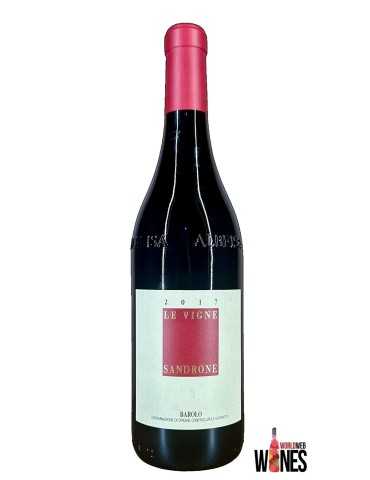
281.00 CHF
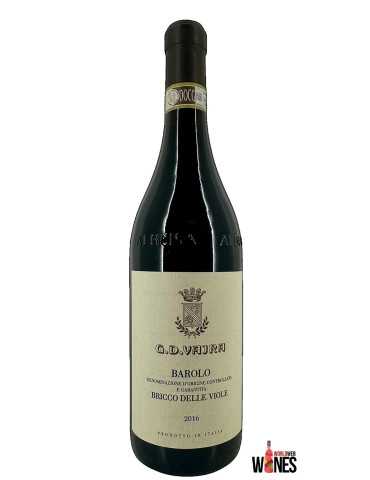
275.00 CHF
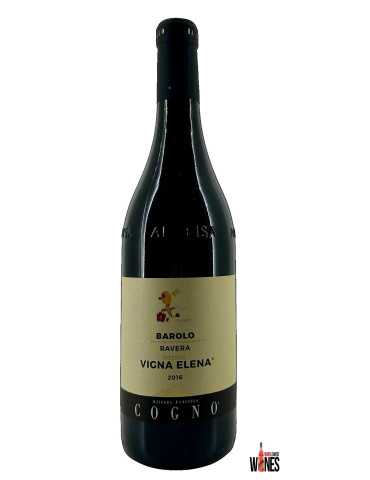
286.00 CHF
389.00 CHF
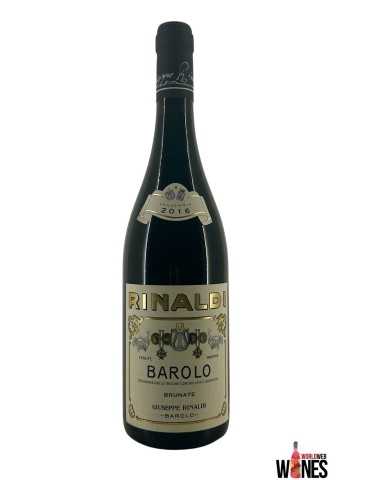
486.00 CHF