English
 Français
13.00 CHF 16.00 CHF

Filters (8 products)
France • Southern Burgundy • Beaujolais • Gamay • Beaujolais crus
Beaujolais, great Gamay wines, terroir crus and vibrant red wines
At the southern edge of Burgundy, between Mâcon and Lyon, Beaujolais reveals one of the most vibrant expressions of Gamay. Long associated with convivial wines, the region is now experiencing a true rise in quality, driven by demanding winegrowers, more precise winemaking and a finer understanding of terroir.
Buying Beaujolais wines online allows you to discover a region undergoing a remarkable renaissance, capable of offering both fruity, generous reds and deep, structured crus built for ageing. Beaujolais, Beaujolais-Villages, Morgon, Moulin-à-Vent, Fleurie, Chénas and Côte de Brouilly each reveal a distinctive facet of Gamay.
The spirit of Beaujolais
Beaujolais expresses a luminous idea of red wine: bright fruit, natural freshness, fine tannins, energy and drinkability. From supple, immediate cuvées to characterful crus, the region now offers sincere, precise and deeply gastronomic wines.
Buying Beaujolais wines in Switzerland
Buying a Beaujolais wine means choosing an expressive, sincere and deeply food-friendly red. Wines made from Gamay offer remarkable versatility: they can be served slightly chilled as an aperitif, accompany bistro cuisine or reveal a more serious dimension when they come from the finest crus.
Our selection favours serious producers, identified terroirs, balanced cuvées and vintages suited to drinking or ageing. From fruity, immediate wines to more structured crus such as Morgon, Moulin-à-Vent and Chénas, each bottle is chosen for its style, purity and expression of place.
Terroir, Gamay and the identity of Beaujolais
Beaujolais is largely based on granitic, sandy, schistose or stony soils, particularly favourable to Gamay noir à jus blanc. Here, this grape variety reveals a unique expression: bright fruit, fine tannins, natural freshness and the ability to translate subtle terroir nuances with precision.
The most accessible wines stand out for their suppleness, red fruit aromas and immediate charm. The crus show greater depth, structure and complexity, with profiles that may evoke black cherry, violet, peony, spices, warm stone, pepper and sometimes more earthy notes with age.
The appellations of Beaujolais
The Beaujolais vineyard is organised around several appellation levels, from the most accessible wines to the most renowned crus. This hierarchy allows you to discover Gamay in all its diversity, from immediate fruit to great terroir expression.
Beaujolais: fruity, supple, fresh and generous red wine, with notes of red fruit, cherry and excellent drinkability.
Beaujolais-Villages: more precise and concentrated, with greater relief, freshness and persistence.
Beaujolais crus: deeper, more complex and distinctive terroir wines, with ageing potential depending on the cru, estate and vintage.
The ten Beaujolais crus
The ten Beaujolais crus represent the qualitative summit of the region. Each has its own personality, shaped by soils, exposure, altitude and the style of the winegrower.
Brouilly: fruity, supple and convivial, with bright red fruit and fine freshness.
Côte de Brouilly: more mineral and energetic, with a stony dimension and a lively finish.
Régnié: fresh, floral and delicate, marked by raspberry, redcurrant and red flowers.
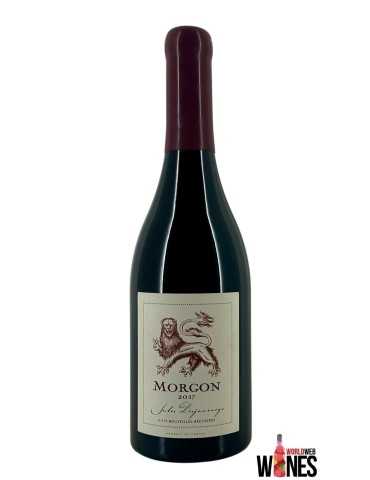
Morgon: deep, structured and age-worthy, capable of developing earthy and spicy notes with time.
Chiroubles: fine, airy and floral, often among the most elegant and freshest crus.
Fleurie: refined, silky and charming, with notes of violet, peony, raspberry and a delicate texture.
Moulin-à-Vent: powerful, structured and deep, with excellent ageing potential.
Chénas: rare and refined, combining floral finesse, structure and depth.
Juliénas: energetic, aromatic and slightly spicy, carried by fine liveliness.
Saint-Amour: delicate, fruity and seductive, with aromas of red fruit, flowers and sometimes a peppery touch.
Emblematic crus: Morgon, Moulin-à-Vent, Fleurie, Chénas and Juliénas
Among the most sought-after crus, Morgon stands out for its depth, intensity and ability to develop more complex notes over time. The Côte du Py climat is especially renowned for producing powerful, mineral and structured wines.
Moulin-à-Vent is often considered one of the most serious Beaujolais crus. Its more structured and profound wines can gain complexity after several years in the cellar, developing nuances of violet, spice, dark fruit and undergrowth.
Fleurie and Saint-Amour seduce with their floral finesse and silky texture, while Chénas and Juliénas offer rarer, spicier and more structured expressions of Gamay.
Choose according to your occasion
For an aperitif or convivial meal: choose a fruity, fresh Beaujolais or Beaujolais-Villages, served slightly chilled.
For a gastronomic table: favour Morgon, Moulin-à-Vent, Chénas or Côte de Brouilly according to the intensity of the dish.
For a cellar: look for the most structured crus, top estates and fine vintages.
For a terroir discovery: compare Fleurie, Chiroubles, Saint-Amour, Morgon and Moulin-à-Vent to understand the diversity of Gamay.
A vineyard in full renaissance
Beaujolais is currently experiencing a particularly exciting period. Many winegrowers favour more respectful viticulture, controlled yields, less interventionist winemaking and a parcel-based approach inspired by Burgundy.
The result is a new generation of wines that are more precise, deeper and more expressive. Gamay gains relief, complexity and ageing capacity, while retaining what makes it so charming: freshness, generosity, energy and immediate pleasure.
Estates and producers to follow
The quality of a Beaujolais wine depends strongly on the work of the winegrower, the choice of parcels, grape ripeness and winemaking style. The best estates preserve the brilliance of the fruit while revealing the depth of terroir.
Jean Foillard: a major Morgon reference, known for pure, deep and highly expressive wines.
Marcel Lapierre: an emblematic name in the Beaujolais revival, associated with digestible and vibrant wines.
Yvon Métras: a sought-after producer for rare, free-spirited and intensely aromatic wines.
Château Thivin: a historic Côte de Brouilly estate, renowned for elegant, structured and precise wines.
Julien Sunier: a winegrower appreciated for fine, luminous cuvées that respect their terroir.
Food pairings with Beaujolais wines
Thanks to their freshness and fine tannins, Beaujolais wines are particularly versatile at the table. The lightest cuvées suit convivial meals, while the most structured crus pair with richer and more gastronomic dishes.
Beaujolais and Beaujolais-Villages: charcuterie, roast poultry, quiches, mixed salads, fresh cheeses and bistro cuisine.
Fleurie, Chiroubles, Saint-Amour: poultry, veal, Iberian pork, grilled vegetables, delicate dishes and mild cheeses.
Morgon, Moulin-à-Vent, Chénas: duck, slow-cooked beef, mushrooms, feathered game, dishes in sauce and aged cheeses.
Juliénas and Côte de Brouilly: grilled meats, spicy cuisine, saucisson brioché, terrines and Lyon-style dishes.
Serving and ageing potential
Beaujolais wines are best served slightly chilled, around 13 to 15°C for fruity cuvées and between 15 and 16°C for more structured crus. This temperature preserves the freshness of the fruit while highlighting the finesse of the tannins.
The simplest Beaujolais wines are generally enjoyed young, for their generosity and aromatic brightness. The finest crus, especially Morgon, Moulin-à-Vent, Chénas and Côte de Brouilly, can be kept for several years and develop aromas of dark fruit, spices, undergrowth, dried flowers and more mineral notes.
How to choose a Beaujolais wine
The choice of a Beaujolais depends on the desired style, cru, producer and occasion. A supple, fruity Beaujolais does not serve the same purpose as an age-worthy Morgon, a floral Fleurie or a structured Moulin-à-Vent.
For freshness: choose Beaujolais, Beaujolais-Villages, Chiroubles or Régnié.
For floral finesse: favour Fleurie, Saint-Amour or certain Chiroubles.
For structure: look for Morgon, Moulin-à-Vent, Chénas or Côte de Brouilly.
For ageing: select a serious cru, a top estate and a balanced vintage.
Buy Beaujolais wines online
A curated selection available with delivery in Switzerland
World Web Wines offers a selection of Beaujolais wines available online with delivery in Switzerland. Each bottle is chosen for its authenticity, balance, aromatic purity and genuine tasting interest: Beaujolais, Beaujolais-Villages, emblematic crus, single-parcel cuvées, older vintages and great terroir-driven Gamay wines.
Explore our selection of Beaujolais wines to find a bottle suited to a convivial meal, a cru discovery, a pleasure cellar or a tasting of great Gamay wines.
Our promise: a clear and demanding selection of Beaujolais wines, designed to help you choose the right bottle according to cru, producer, vintage, style, food pairing and the emotion you are looking for.
59.00 CHF