English
 Français
183.00 CHF

Vintage 1968 • Barolo • Barbaresco • Brunello • Port • Armagnac • Bordeaux • Mature Wines
1968 Vintage Wines — A Rare, Symbolic and Highly Selective Year
Buying a 1968 wine means choosing a rare and highly symbolic mature bottle, ideal as an anniversary bottle, a birth-year wine or a prestigious gift. The 1968 vintage must, however, be approached with great caution: it is not a consistently strong vintage, and the choice of wine style, producer and provenance is absolutely essential.
The best opportunities are mainly found in selected great Italian wines such as Barolo 1968, Barbaresco 1968 or Brunello 1968, as well as 1968 Colheita Ports and 1968 vintage Armagnacs. Red Bordeaux and Burgundy should be chosen with great restraint and only from very great names in perfectly stored condition.
Our advice: for a 1968 anniversary gift, give priority to a great Italian wine, a 1968 Colheita Port or a vintage Armagnac. For French red wines, limit selection to the greatest estates, with impeccable fill level, colour and provenance.
What Is the Style of 1968 Wines?
The 1968 vintage is old, rare and highly dependent on the region. In France, many regions experienced difficult conditions, which makes dry reds fragile today. The best bottles should therefore be sought in styles that naturally withstand time better, or in regions that performed better that year.
At this age, 1968 wines are valued above all for their emotional significance, rarity and collector appeal. The best bottles may develop notes of dried fruit, leather, forest floor, sweet spices, tobacco, truffle, caramel, walnut and tertiary aromas. Bottle condition remains the decisive factor.
Italy 1968: The Most Interesting Wine Route of the Vintage
Italy 1968 is one of the best directions for this vintage, especially in Piedmont and Tuscany. Great Barolo 1968, Barbaresco 1968 and Brunello 1968 from historic producers can offer beautiful experiences when well stored.
The best Italian wines from 1968 can evoke dried cherry, faded rose, leather, tobacco, noble tar, truffle, liquorice, spices, evolved red fruit and balsamic notes. Top producers should be prioritised, with particular attention to fill level, colour and provenance.
Buying priority: high for top Italian producers, well-stored bottles and reliable provenance.
1968 Colheita Port and Armagnac: The Most Reassuring Alternatives
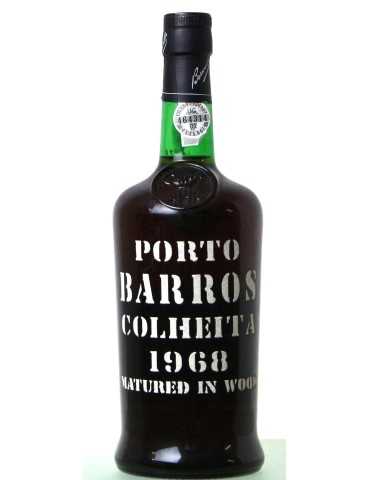
For a 1968 bottle, a 1968 Colheita Port or a 1968 vintage Armagnac can be among the safest options. These styles generally withstand decades better than many dry wines and offer strong symbolic value for a birth year.
A 1968 Port or Armagnac can evoke walnut, dried fig, caramel, cocoa, coffee, prune, candied orange, rancio, sweet spices, blond tobacco and noble wood. These are particularly suitable options for anniversary gifts when reliable drinking quality is desired.
Buying priority: very high when the producer, bottling information and provenance are clearly identified.
Bordeaux 1968: Buy with Great Caution
1968 red Bordeaux is a very delicate category. The vintage was difficult, and many bottles are now fragile, light or tired. For purchase, buyers should focus only on great names, acceptable fill levels and bottles with fully documented storage.
The best examples may still show mature charm, with notes of cedar, leather, tobacco, forest floor, faded red fruit, light truffle and sweet spices. These are above all bottles of collection, rarity and emotion.
Appellations and examples to consider with caution:
- Pauillac 1968 — To be considered only from very great châteaux and perfectly stored bottles.
- Margaux 1968 — To be considered among great names, depending on level, colour and provenance.
- Pomerol and Graves 1968 — Reserved for reference estates and impeccable bottles.
Buying priority: low for ordinary reds; medium only for very great names and impeccable bottles.
Burgundy 1968: A Very Limited Selection
Burgundy 1968 should be approached with great caution. The vintage was difficult, and red Burgundies are now very fragile. Most ordinary bottles should be avoided, except for purely symbolic or collector purposes.
A few top domaines or exceptional bottles may still be of interest, but only when provenance is clear, the fill level is consistent and overall bottle condition is impeccable. Buying should remain highly selective.
Buying priority: low; medium only for top domaines and perfectly stored bottles.
Champagne 1968: A Rare Option to Check Carefully
Champagne 1968 can be interesting for an anniversary bottle, but it must be chosen with caution. At this age, only major houses, serious cuvées, magnums and perfectly stored bottles should be considered.
The best mature Champagnes may evoke cooked apple, dried fruit, honey, hazelnut, brioche, wax, candied citrus and toasted evolution. Colour, fill level and provenance should be checked carefully.
Buying priority: medium for major houses, magnums and perfectly stored bottles.
Buying a 1968 Wine: Key Points to Check
When buying a 1968 bottle, bottle condition is decisive. After more than fifty years, wine type and storage often matter more than the prestige of the label. A rigorous check is essential before purchase.
- Wine type: prioritise great Italian wines, Colheita Port, Armagnac, mature Champagne and rare great dry bottles.
- Level: look for the highest possible fill levels that remain consistent with the age of the wine.
- Colour: avoid wines with an abnormally brown, dull, cloudy or overly oxidised appearance.
- Capsule and cork: check for seepage, corrosion or weakened corks.
- Provenance: favour known cellars, documented lots and bottles stored in good conditions.
Serving Advice for a 1968 Bottle
A mature bottle from 1968 should be handled with great care. It is advisable to stand it upright at least one day before opening so that sediment can settle. Opening should be slow and gentle, using a corkscrew suitable for old corks.
For very mature reds, decanting should be avoided or kept to an absolute minimum: it is better to taste the wine immediately after opening. Old Champagnes should be served cool but not ice-cold. Colheita Ports and Armagnacs may be served slightly chilled to preserve balance.
1968: A Rare and Symbolic Vintage to Choose with Care
The 1968 vintage can be an interesting option for a birth-year bottle, an anniversary wine or a prestigious gift, provided the right styles are chosen. The most relevant options are found in great Italian wines, Colheita Ports, vintage Armagnacs, selected mature Champagnes and a very small number of perfectly stored great French bottles.
When carefully chosen, a 1968 wine can offer a rare, mature and deeply moving experience, perfectly suited to celebrating a birth year or an important anniversary.
Discover our selection of 1968 wines: great Italian wines, Colheita Ports, vintage Armagnacs, mature Champagnes and rare collector bottles carefully selected according to their condition, provenance and drinking potential.