English
 Français
3,010.00 CHF

France • Bordeaux • Pomerol • Right Bank • Merlot • Petrus • Lafleur
Pomerol: great Right Bank terroir, Merlot and legendary Bordeaux wines
Located on the Right Bank of Bordeaux, near Libourne, the Pomerol appellation holds a unique place in the world of great Bordeaux wines. Small in size but immense in reputation, it produces rare, deep, velvety wines sought after across the world.
Legendary estates such as Petrus and Château Lafleur embody the concentration, texture, depth and rarity that make Pomerol one of the most fascinating appellations of the Right Bank.
The spirit of Pomerol
Pomerol expresses one of Bordeaux’s most sensual profiles. Dominated by Merlot and shaped by clay, gravel and sometimes iron-rich soils, its wines combine velvet texture, aromatic depth, rarity and great ageing potential.
A prestigious appellation without an official classification
Unlike the Médoc or Saint-Émilion, Pomerol has no official classification. Its hierarchy has been built through estate reputation, bottle rarity, consistent quality and recognition among serious collectors and wine lovers.
Small appellation: limited production, often modest estate sizes and sometimes extremely rare bottles.
Prestige: Petrus, Lafleur, Le Pin, Trotanoy, Vieux Château Certan and La Conseillante.
Identity: a deep, velvety and rare expression of Bordeaux’s Right Bank.
Clay, gravel and iron-rich soils
Pomerol’s prestige comes from a mosaic of clay, gravel and sandy soils, with certain areas marked by iron-rich subsoils. Deep clay gives Merlot density, flesh and power, while gravel encourages drainage, finesse and precision.
Clay: depth, power, texture, ripe fruit and ageing ability.
Gravel: drainage, finesse, freshness and aromatic precision.
Iron-rich soils: an emblematic feature of certain great terroirs, associated with Pomerol’s depth and singularity.
Merlot, Cabernet Franc and Right Bank expression
Merlot largely dominates Pomerol and finds one of its deepest expressions here. It brings roundness, density, ripe fruit, velvety texture and sensuality. Cabernet Franc, present depending on the estate, adds freshness, floral notes, length and complexity.
Merlot: plum, black cherry, blackberry, flesh, velvet texture, depth and generosity.
Cabernet Franc: freshness, floral notes, graphite, energy, length and complexity.
Blend: balance between fruit sensuality, tension, structure and depth.
The great estates of Pomerol
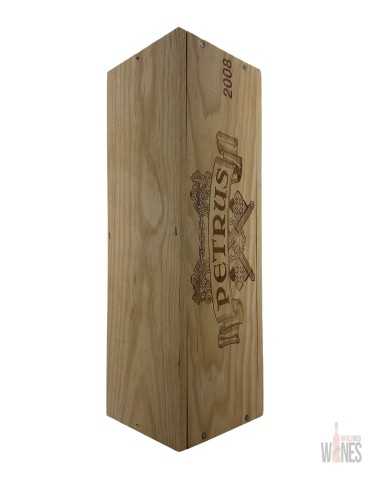
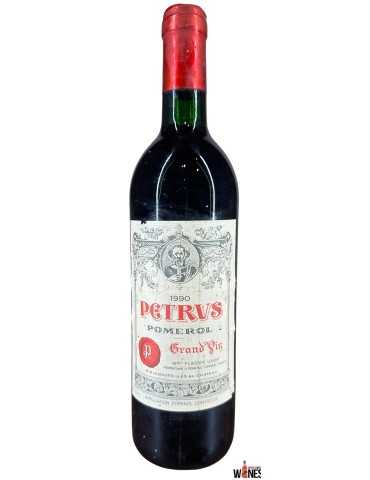
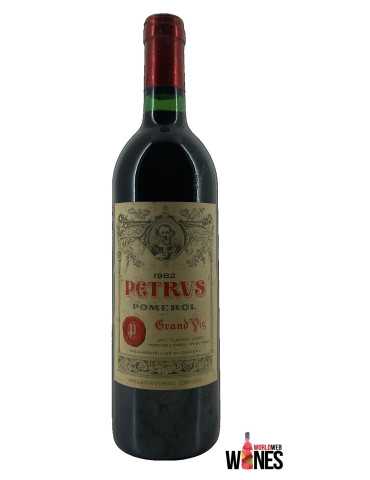
Pomerol brings together some of the most sought-after estates in Bordeaux. Petrus is the absolute icon of the appellation, while Château Lafleur embodies a singular, rare and vibrant expression of the Right Bank.
Petrus: a global icon of Pomerol, celebrated for its depth, texture and rare bottles.
Château Lafleur: a legendary estate sought after for the intensity, energy and personality of its wines.
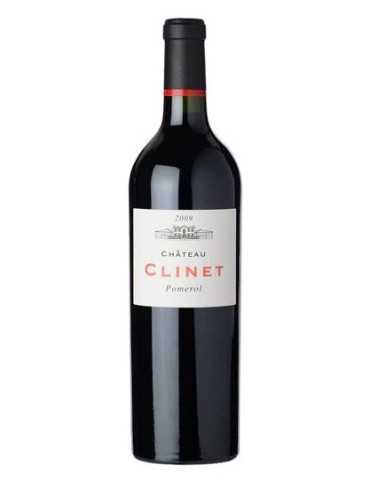
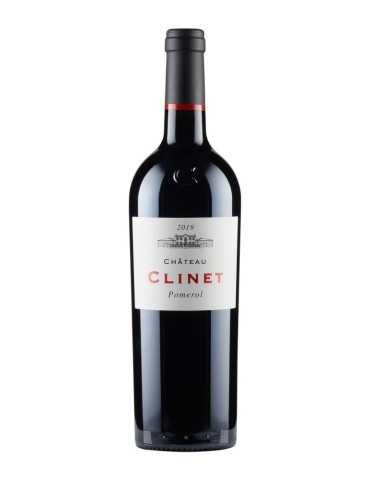
Other signatures: Vieux Château Certan, La Conseillante, L’Évangile, Trotanoy, Clinet, La Fleur-Pétrus and Le Pin.
The style of Pomerol wines
Pomerol wines seduce with their silky texture, aromatic richness and depth. They often evoke ripe plum, black cherry, blackberry, violet, cocoa, truffle, sweet spices and, with age, fine leather, tobacco, undergrowth and dark chocolate.
Young: plum, black cherry, blackberry, violet, cocoa, sweet spices and velvety texture.
At maturity: truffle, fine leather, tobacco, undergrowth, dark chocolate, softened dark fruit and a silky palate.
Signature: a rare, sensual and deep Bordeaux, where Merlot’s velvet texture meets the complexity of great terroirs.
Which Pomerol should you choose?
For a gift
A great estate, rare bottle, mature vintage or iconic Right Bank signature.
For the table
A mature Pomerol with beef, duck, lamb, mushrooms, truffle, reduced jus or aged cheeses.
For cellaring
A great clay terroir, structured vintage, recognised estate or large format with serious provenance.
World Web Wines advice
Pomerol is ideal for lovers of rare, deep and velvety Bordeaux wines. For immediate drinking, favour mature vintages where truffle, fine leather and softened fruit begin to emerge. For cellaring, choose leading estates, concentrated vintages and bottles with perfectly controlled provenance.
Pomerol vintages: drink or keep?
Great Pomerol wines can evolve for several decades, especially when they come from the finest clay terroirs and consistent estates. The ideal drinking window depends on the château, vintage, format, wine style and storage conditions.
Drink now: 1961, 1964, 1970, 1971, 1975, 1982, 1985, 1989, 1990, 1995, 1998, 2000, 2001 and 2003, depending on estate, level and storage.
Drink or keep: 2005, 2008, 2009, 2010, 2012, 2014 and 2015, with many bottles already entering a harmonious phase.
Keep: 2016, 2018, 2019, 2020 and 2022, still young for great Pomerol wines.
Food pairings with Pomerol
Thanks to their velvet texture, depth and generosity, Pomerol wines pair beautifully with refined, textural cuisine: beef fillet, tournedos Rossini, duck breast, roasted lamb, slow-cooked dishes, mushrooms, truffle, reduced sauces and aged cheeses.
Buy Pomerol wines online
World Web Wines offers a selection of Pomerol wines available online with delivery in Switzerland: iconic estates, mature vintages, rare bottles, cellar-worthy wines and bottles selected for their provenance, maturity, balance and genuine tasting interest.
3,999.00 CHF
3,945.00 CHF
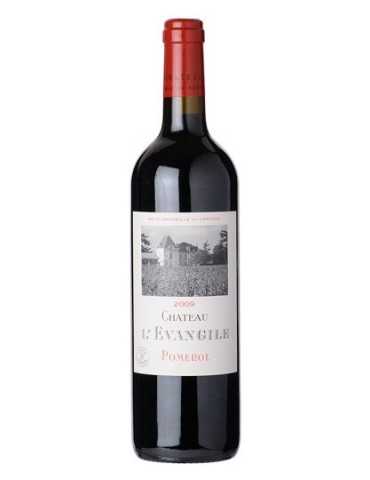
405.00 CHF
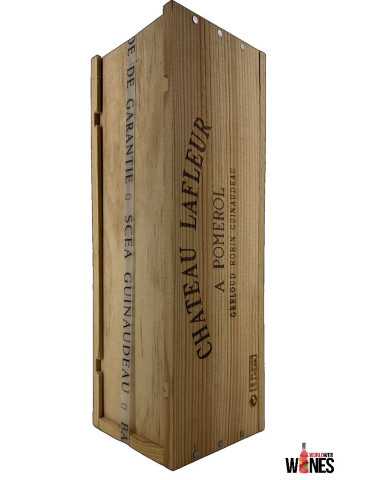
1,351.00 CHF
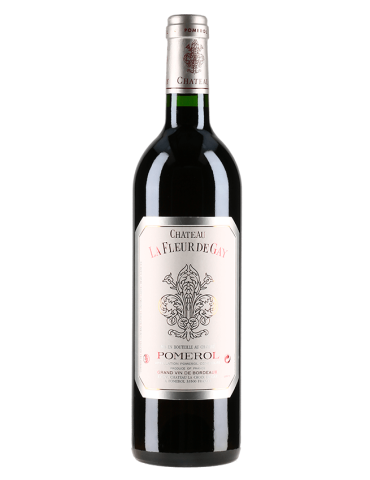
91.00 CHF
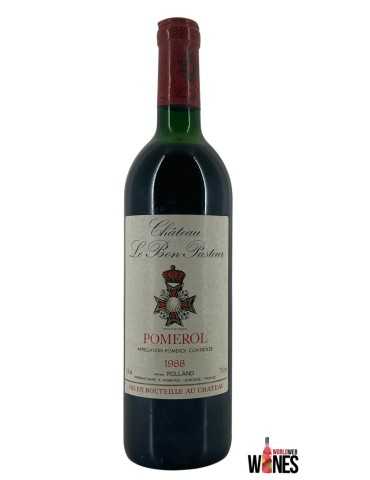
54.00 CHF
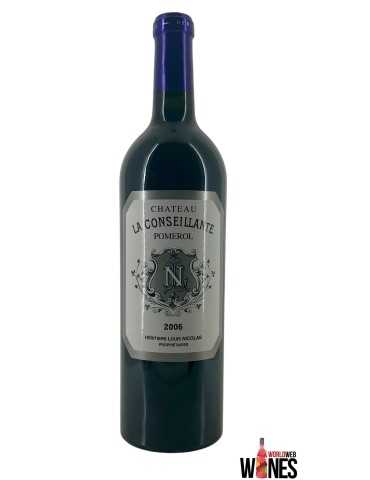
129.00 CHF
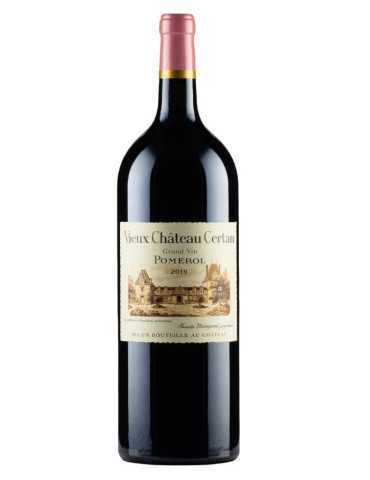
637.00 CHF
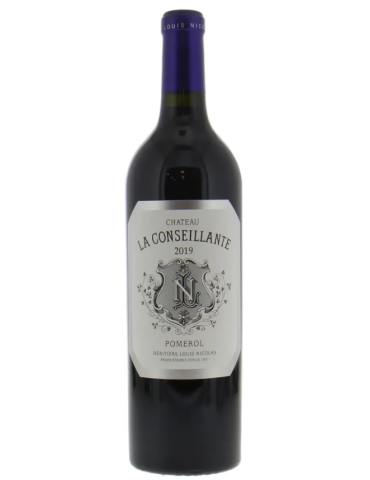
210.00 CHF
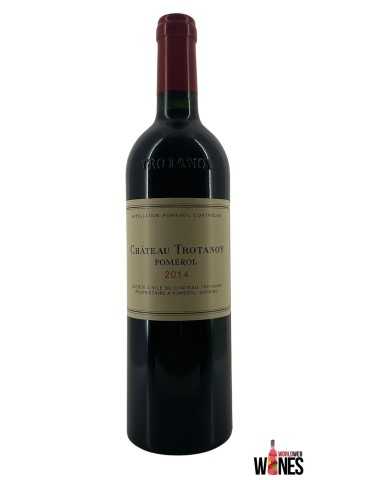
189.00 CHF
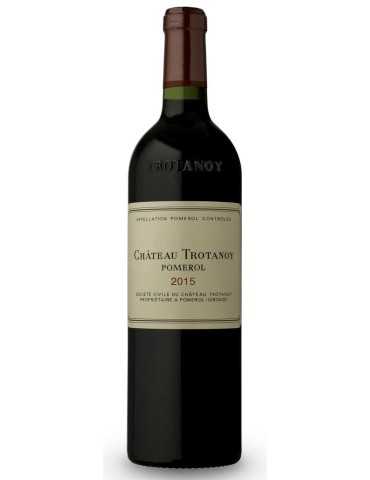
291.00 CHF
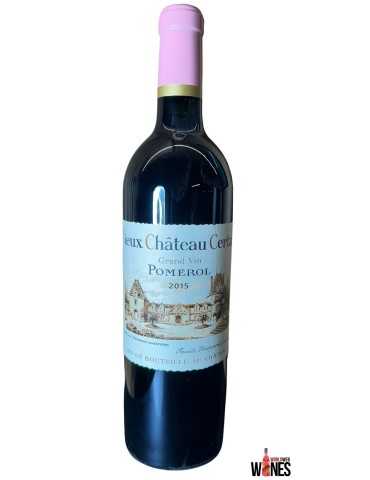
313.00 CHF
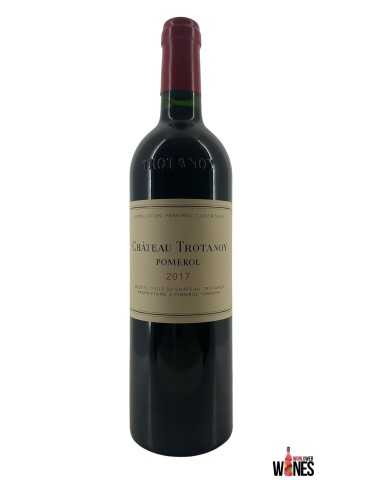
227.00 CHF
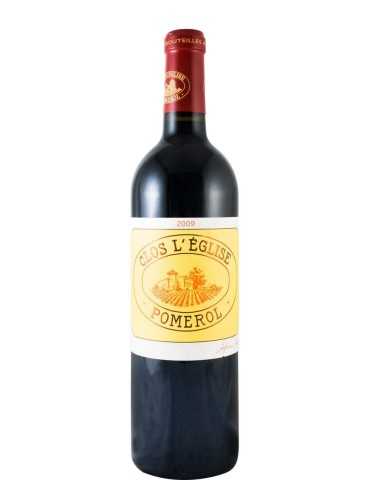
194.00 CHF
248.00 CHF
112.00 CHF
54.00 CHF