English
 Français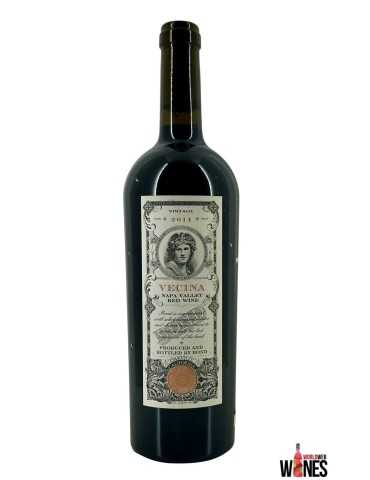
535.00 CHF

United States • California • Napa Valley • BOND Estate • Cabernet Sauvignon • Single-Vineyard Cabernet
BOND Estate — The “Grand Cru” Approach to Cabernet Sauvignon in Napa Valley
BOND Estate represents one of the most ambitious interpretations of Cabernet Sauvignon in Napa Valley. Founded in 1997 by Bill Harlan and Bob Levy, the project brings to California a vision inspired by the great crus: identifying exceptional sites, vinifying them separately and revealing their nuances with extreme precision.
Unlike an estate built around a single vineyard, BOND is based on a selection of five major sites across the valley: Melbury, Vecina, St. Eden, Pluribus and Quella. Each cuvée is conceived as the singular expression of a place, in a style defined by depth, structure, aromatic purity and very long ageing potential.
The spirit of the estate
A single-vineyard vision of Cabernet Sauvignon, combining Californian power with a precise reading of terroir. BOND seeks profound, sculpted and long-lived wines, where each site delivers a different expression of Napa: red or black fruit, graphite, mineral energy, velvety texture, firm tannins or a more aerial form of elegance.
History: Bill Harlan, Bob Levy and the selection of great sites
The origins of BOND go back to the work carried out by Bill Harlan and winemaker Bob Levy around great vineyards in Napa Valley. After observing the consistency of certain sites over many years, they decided to create a project entirely dedicated to single-vineyard expressions of Cabernet Sauvignon.
BOND was officially founded in 1997. The first cuvées released were Melbury and Vecina with the 1999 vintage. St. Eden followed, then Pluribus and Quella, forming today the five main expressions of the estate.
The project is built on a simple but demanding idea: to retain only vineyards capable of showing a stable identity, year after year. This approach places BOND among the Californian estates closest to a “grand cru” reading, not through imitation, but through a demand for singularity and consistency.
Terroirs: five major expressions of Napa Valley
The five BOND cuvées come from distinct sites within Napa Valley, each selected for its ability to express a clear personality. The parcels are small, generally only a few hectares, with confidential production and particularly strict selection.
Melbury is located on hills near Lake Hennessey and often gives a more floral, supple and refined expression of Cabernet. Vecina, whose name means “neighbour”, lies near Harlan Estate and offers a darker, denser and more structured profile. St. Eden, on the hillsides of Oakville, combines harmony, depth and polished texture.
Pluribus, located on Spring Mountain, brings altitude, graphite, freshness and firm tannins. Quella, marked by stony and volcanic soils linked to an ancient riverbed, stands out for its more aerial, saline and finely textured expression. Together, these sites form a precise map of Cabernet Sauvignon in Napa.
Terroir expression: Napa Valley, Melbury, Vecina, St. Eden, Pluribus, Quella, Cabernet Sauvignon, hillsides, gravelly soils, volcanic character, altitude, graphite, black fruit, freshness and depth.
BOND signature: single-vineyard expression, drastic selection, precision ageing, velvety texture, noble tannins, great concentration and very long ageing potential.
Viticulture: extreme selection and the identity of each site
BOND’s viticultural philosophy is based on long observation of the parcels and rigorous grape selection. Each vineyard is farmed according to its own character, with particular attention paid to phenolic ripeness, freshness, tannin balance and qualitative consistency.
Production remains very limited. Only the finest lots enter the five main cuvées; barrels that do not fully meet the desired level are directed towards Matriarch, the estate’s second wine. This selection preserves the very high standing of the single-vineyard bottlings.
Aromatic profile
Youth: cassis, blackberry, blueberry, black cherry, violet, graphite, cedar, liquorice, cocoa, blond tobacco and noble spices.
Evolution: black truffle, fine leather, precious wood, mocha, incense, black tea, candied black fruits, forest floor, warm stone and balsamic notes.
Texture: dense, structured and silky palate, very fine tannins, great depth, controlled freshness and long finish.
Overall impression: Napa Cabernet Sauvignons that are powerful, architectural and precise, designed to unfold slowly in the cellar.
Vinification: precision, limited blending and high-level ageing
Each site is vinified separately in order to preserve its identity. Extractions are adapted to the potential of the vintage, with a constant search for density, tannic finesse and aromatic purity. Cellar work aims to accompany the natural power of Cabernet Sauvignon without hardening it.
Vinification: site-by-site work, rigorous sorting, measured extraction and a search for balance between concentration and finesse.
Ageing: high-quality French oak barrels, precise oak integration and long refinement to polish the tannins.
Selection: the best barrels are retained for each single-vineyard cuvée; the others contribute to Matriarch.
Philosophy: give each vineyard its own voice, within a coherent, precise and age-worthy style.
Wine style
The wines of BOND Estate possess the depth and power of great Napa Cabernet Sauvignon, but their true interest lies in the differences between the five sites. Each cuvée has its own architecture: more floral, more mineral, darker, silkier or more vertical depending on the vineyard.
The overall style remains precise, dense and refined, with noble tannins, great fruit purity and notes of graphite, cedar, black fruits, dark flowers and spices. These wines are impressive in youth, but their true dimension often appears after several years of cellaring.
Emblematic cuvées
Melbury: often marked by red fruit, floral notes, supple texture and a more aerial form of elegance.
Vecina: a dense, dark and structured expression, with notes of black fruits, graphite, spices and a firm tannic frame.
St. Eden: a harmonious and profound wine, often very balanced, combining intensity, polished texture and great precision.
Pluribus: a high-altitude cuvée from Spring Mountain, marked by freshness, graphite, density and a very long finish.
Quella: a more aerial and mineral expression, with notes of blue fruit, stone, salinity and very fine texture.
Matriarch: BOND’s second wine, sourced from the five sites. More accessible in youth, it retains the precision, depth and tannic signature of the estate.
Ageing and gastronomic pairings
The five main BOND cuvées are built for long ageing, often 20 to 30 years depending on the vintage, and sometimes longer in the most structured years. With time, the wines gain complexity, developing notes of truffle, fine leather, tobacco, black tea, forest floor, mocha and graphite.
At the table, BOND pairs beautifully with aged rib of beef, beef fillet, roast lamb, game, duck, braised meats, black truffle dishes, noble mushrooms, reduced jus sauces and mature cheeses. Matriarch can be served younger with grilled meats, roast poultry or mushroom-based dishes.
Key facts
Country: United States
State: California
Region: Napa Valley
Estate: BOND Estate
Founders: Bill Harlan and Bob Levy
Founded: 1997
Main grape variety: Cabernet Sauvignon
Single-vineyard cuvées: Melbury, Vecina, St. Eden, Pluribus, Quella
Second wine: Matriarch
Style: profound, structured, single-vineyard, precise, graphite-driven, velvety, intense and built for ageing.
In summary: BOND Estate is one of the most ambitious projects in Napa Valley. Founded by Bill Harlan and Bob Levy, it offers five single-vineyard interpretations of Cabernet Sauvignon — Melbury, Vecina, St. Eden, Pluribus and Quella — in an approach close to the grand cru model, with Matriarch as the second wine.
Dominant aromas: cassis, blackberry, blueberry, black cherry, violet, graphite, cedar, liquorice, cocoa, blond tobacco, black truffle, fine leather, mocha, incense, black tea, warm stone and a long mineral finish.
Current selection
Discover below the bottles from BOND Estate currently available at World Web Wines, selected according to arrivals, vintage quality and the rarity of allocations.