English
 Français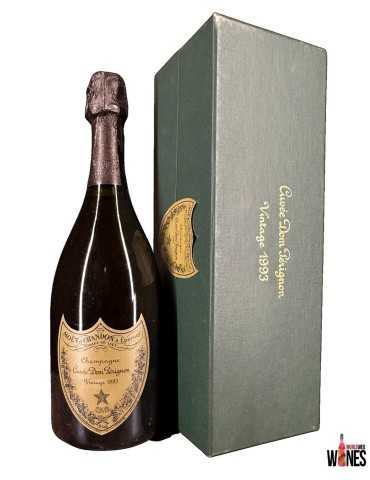
254.00 CHF

Filters (5 products)
France • Champagne • Grands Crus • Dom Pérignon • Chardonnay • Pinot Noir
Dom Pérignon — The Vintage Myth of Champagne
Dom Pérignon is far more than a champagne: it is a living legend. Owned by Moët & Chandon, within the LVMH group, this iconic cuvée is produced only in exceptional years, with the absolute ambition of expressing the singular character of one vintage.
First released with the 1921 vintage, the cuvée pays tribute to the Benedictine monk Dom Pierre Pérignon, a founding figure of modern Champagne. It embodies a rare philosophy: capturing the spirit of a great year, elevating it through time and translating it with precision, harmony and timeless elegance.
The spirit of the house
A champagne of vision, balance and time. Dom Pérignon seeks elegance without ostentation, where the tension of Chardonnay, the depth of Pinot Noir and slow cellar maturation compose a vintage expression that is precise, luminous and profoundly harmonious.
Terroir: Grands Crus, Montagne de Reims and Côte des Blancs
Dom Pérignon is sourced from great Champagne terroirs, mainly located in the Montagne de Reims and the Côte des Blancs. The blend brings together Chardonnay and Pinot Noir from a single vintage, without seeking to repeat a standardised style.
Each release therefore has its own personality. Chardonnay brings tension, verticality, brilliance and chalky minerality, while Pinot Noir contributes structure, depth, density and energy. This alliance allows Dom Pérignon to combine aromatic precision, silky texture and remarkable ageing ability.
Terroir expression: Champagne, Grands Crus, Montagne de Reims, Côte des Blancs, Chardonnay, Pinot Noir, chalk, citrus, white fruits, iodine notes and mineral tension.
Dom Pérignon signature: single vintage, precision, harmony, depth, elegance, extended ageing and progressive expression of time.
Plénitudes: time as a dimension of wine
Cellar ageing lies at the heart of the Dom Pérignon philosophy. Each stage of evolution corresponds to a plénitude: a moment of balance in which the wine reveals a new dimension of its texture, energy and aromatic depth.
Plénitude 1 — Vintage: after around 8 to 10 years, a subtle balance between freshness, structure and vintage brilliance.
Plénitude 2 — P2: after around 15 to 20 years, with increased intensity, density, energy and depth.
Plénitude 3 — P3: beyond 25 years, extreme rarity, ultimate complexity and a contemplative expression of time.
Aromatic profile
Fruit: white fruits, pear, white peach, citrus, preserved lemon, ripe apple and fine zest.
Evolution and complexity: fine brioche, toasted almond, white flowers, noble spices, discreet honey and smoky notes.
Mineral expression: chalk, salinity, iodine touches, vertical tension, chalky freshness and long finish.
Overall impression: a vintage champagne of great precision, combining purity, depth, energy, silky texture and evolving elegance.
Wine style
Dom Pérignon stands out for its aromatic precision, natural tension and evolving elegance. In youth, the wine reveals white fruits, citrus, delicate flowers, fine brioche and iodine touches. The palate combines exceptionally fine effervescence, silky texture and perfectly controlled structure.
With time, the plénitudes develop greater depth: chalky minerality, noble spices, toasted almond, smoky notes and an almost meditative complexity. This style, at once vertical, precise and timeless, makes Dom Pérignon a world reference among age-worthy champagnes.
Emblematic cuvées
Dom Pérignon Vintage: the house’s signature cuvée, expressing a single vintage through freshness, structure, precision and harmony.
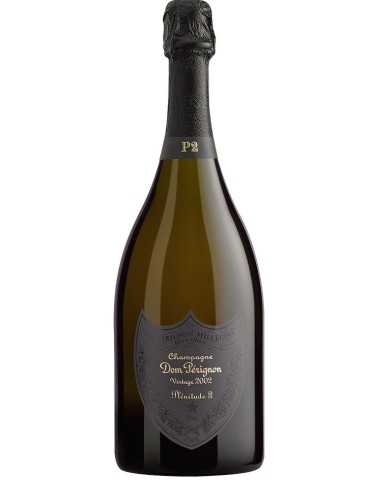
Dom Pérignon P2 — Second Plénitude: a version extended in the cellars, marked by greater intensity, density, energy and depth.
Dom Pérignon P3 — Third Plénitude: a rare and ultimate expression of time, offering profound complexity, complete texture and a contemplative dimension.
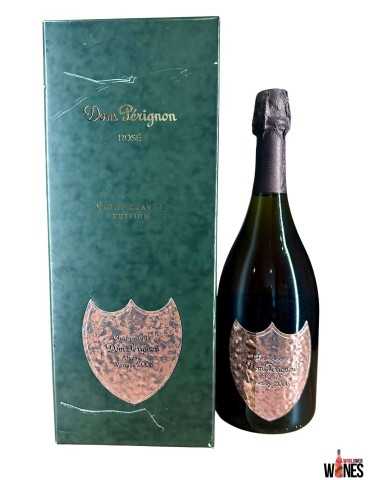
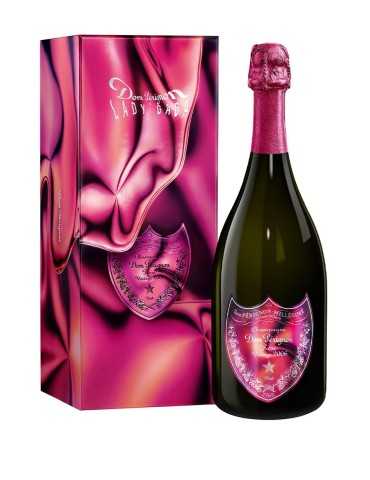
Dom Pérignon Rosé Vintage: a vintage rosé champagne combining the brilliance of Pinot Noir with the precision of Chardonnay, marked by fruit intensity, structure and refinement.
Service, pairings and ageing potential
Dom Pérignon is ideally served around 10 to 12°C, in large champagne glasses that allow the wine to unfold its complexity. Young cuvées may be served slightly cooler, while older plénitudes benefit from being approached like great gastronomic white wines.
Its precision and depth allow it to pair with noble fish, shellfish, lobster, caviar, fine poultry, truffle risotto, aged cheeses and haute cuisine. The more complex and profound P2 and P3 cuvées are particularly suited to refined pairings built around creamy textures, iodine notes and noble flavours.
Key facts
Region: Champagne, France
House: Dom Pérignon, Moët & Chandon
Group: LVMH
First vintage: 1921
Grape varieties: Chardonnay and Pinot Noir
Philosophy: expression of a single exceptional vintage
Style: pure, precise, tense, chalky, elegant, profound and built for ageing.
In summary: Dom Pérignon is one of Champagne’s absolute myths, a vintage cuvée that transforms each great year into an effervescent work of art, combining rigour, vision, emotion and timeless elegance.
Dominant aromas: white fruits, citrus, preserved lemon, white flowers, fine brioche, toasted almond, chalk, iodine notes, noble spices and a long saline finish.
497.00 CHF