English
 Français

Chianti Classico, the historic soul of Tuscany and Sangiovese
Chianti Classico is one of Italy’s most emblematic wines. Located in the heart of Tuscany, between Florence and Siena, this historic appellation embodies the elegance, freshness and depth of Sangiovese. Its hills, limestone soils and ancient winemaking traditions give rise to expressive, gastronomic red wines deeply connected to their terroir.
Buying Chianti Classico online allows you to discover a major DOCG appellation from Tuscany, renowned for its balance between aromatic intensity, tension, elegant tannins and remarkable versatility at the table. From classic cuvées to Riserva and Gran Selezione versions, Chianti Classico offers privileged access to the historic soul of Tuscan wine.
Chianti Classico expresses Tuscany at its most authentic: the fruit of Sangiovese, the freshness of the hills, the structure of great terroirs and a natural affinity with food. It is a wine that is vibrant, elegant, precise and profoundly Italian.
Origin and terroir of Chianti Classico
The Chianti Classico appellation lies in the historic heart of Chianti, between Florence and Siena. Recognised since the 13th century, this hilly region is one of the most prestigious birthplaces of Italian wine. It holds DOCG status, Italy’s highest wine classification.
The vineyards grow on varied soils, including galestro, the friable schist typical of Tuscany, alberese, a compact limestone marl, as well as clay. At altitudes often ranging from 250 to 700 metres, Sangiovese ripens slowly, preserving the freshness and balance that define Chianti Classico.
Sangiovese and blending
Sangiovese is the central grape variety of Chianti Classico. It must represent at least 80% of the blend and may be vinified alone or complemented by other authorised red grape varieties. It brings freshness, tannic structure, aromas of cherry, violet and spice, as well as a remarkable ability to pair with food.
Sangiovese: the backbone of the appellation, bringing freshness, tension, red fruit aromas, fine tannins and strong personality.
Canaiolo Nero and Colorino: traditional grapes sometimes used to complement the blend, adding suppleness, colour, roundness or floral nuances.
Cabernet Sauvignon and Merlot: present in certain cuvées in limited proportions, they can reinforce structure, depth and a more modern dimension.
Chianti Classico, Riserva and Gran Selezione
Chianti Classico is produced in several quality levels, each corresponding to a different style, ageing period and level of ambition. Classic cuvées often emphasise balance, fruit and drinkability, while Riserva and Gran Selezione wines offer greater depth, structure and ageing potential.
Chianti Classico: a fresh, elegant and gastronomic expression of Sangiovese, ideal for discovering the appellation and pairing with Italian cuisine.
Chianti Classico Riserva: a more ambitious version, aged for longer, with greater concentration, complexity and presence on the palate.
Gran Selezione: the qualitative summit of the appellation, made from the estate’s finest grapes and aged for at least 30 months, producing deeper, more structured wines built for ageing.
Wine characteristics
Chianti Classico is distinguished by its bright ruby colour, which evolves towards garnet tones with age. When young, it expresses aromas of violet, cherry, plum, crunchy red fruits and sweet spices. Depending on ageing, it may also reveal notes of vanilla, cinnamon, blond tobacco or fine leather.
On the palate, Chianti Classico combines lively acidity, balanced tannins and a medium to full body. This combination gives it elegance, structure and great versatility at the table. The finest wines gain floral, balsamic and tertiary complexity over time.
For discovery: choose a classic Chianti Classico, fruity, fresh and immediately gastronomic.
For a Tuscan meal: favour a balanced cuvée with bright acidity and fine tannins.
For a cellar: choose a Riserva, a Gran Selezione or a great estate in a structured vintage.
For a gift: select a fine appellation wine, a recognised estate or a Gran Selezione cuvée.
Ageing potential
Chianti Classico wines are often enjoyable from 3 to 5 years of age, while the fruit remains vibrant and the structure still lively. Riserva and Gran Selezione versions have greater ageing potential, sometimes reaching 15 to 20 years depending on the producer, vintage and storage conditions.
With time, the finest Chianti Classico wines develop aromas of leather, undergrowth, mushroom, tobacco, fine spices and balsamic notes. This slow evolution reflects the great potential of Sangiovese on the historic terroirs of the appellation.
Food pairings with Chianti Classico
Chianti Classico is one of the finest companions to Tuscan cuisine. Its freshness, tannins and red fruit aromas make it ideal with tomato-based dishes, roasted meats, charcuterie, cheeses and recipes with Mediterranean herbs.
Italian cuisine: pasta with tomato sauce, ragù, lasagne, ribollita, refined pizzas and slow-cooked dishes.
Meats: roasted or grilled meats, aromatic poultry, game, braised beef or wild boar stew for more powerful cuvées.
Cheeses: Pecorino Toscano, Parmesan, aged cheeses and characterful Italian cheeses.
Vegetarian pairings: mushrooms, grilled aubergines, roasted vegetables, herb-based dishes and Mediterranean cuisine.
How to choose a Chianti Classico
The choice of a Chianti Classico depends on the desired style, producer, quality level and occasion. A classic Chianti Classico will be perfect for a convivial meal, while a Riserva or Gran Selezione will be better suited to a more ambitious dinner, a cellar or a gift.
For freshness: choose a classic cuvée, expressive, fruity and driven by bright acidity.
For depth: look for a Riserva or Gran Selezione, more structured and complex.
For ageing: favour a great vintage, a recognised estate and a cuvée with fine tannic density.
For the table: match the wine’s power to the richness of the dish, from convivial Italian meals to more full-bodied meat dishes.
A curated selection available with delivery in Switzerland
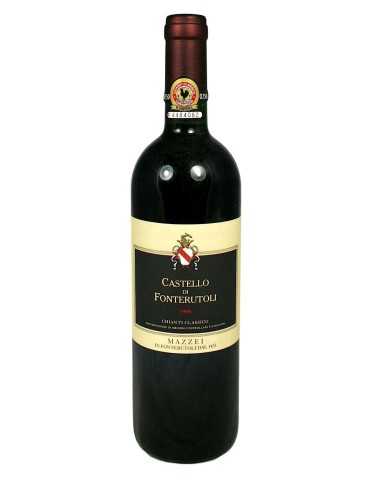
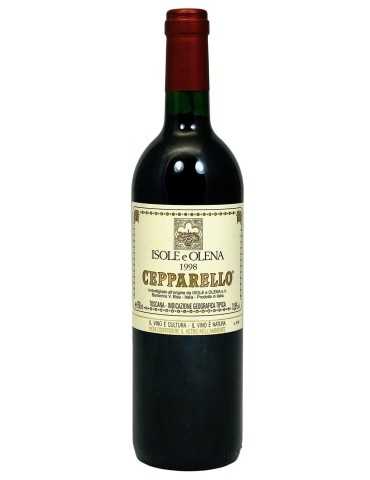
World Web Wines offers a selection of Chianti Classico available online with delivery in Switzerland. Each bottle is chosen for its authenticity, balance, expression of Sangiovese and genuine tasting interest: classic cuvées, Riserva, Gran Selezione and great gastronomic Tuscan wines.
Explore our selection of Tuscan wines to find a Chianti Classico suited to an Italian meal, a personal cellar, a gift or a tasting of fine Tuscan wines.
Our promise: a clear and demanding selection of Chianti Classico, designed to help you choose the right bottle according to producer, vintage, style, appellation level, occasion and the emotion you are looking for.