English
 Français
399.00 CHF

1943 Vintage • Bordeaux • Burgundy • Sauternes • Rhône • Champagne • Port • Wartime Wines • Fine Old Wines
1943 Vintage — A Rare, Historic and Highly Sought-After Wartime Year
Buying a 1943 wine means choosing an exceptionally rare old bottle, ideal for an anniversary bottle, a birth-year wine or a historic gift. The 1943 vintage is one of the most interesting wartime years for fine old wines, with notable successes in Bordeaux, Burgundy, Sauternes and selected categories of fortified wines.
After more than eighty years, a 1943 bottle must be selected with extreme care. Even when the vintage itself is favourable, the real condition of the bottle becomes decisive: provenance, fill level, colour, the condition of the capsule, the cork and storage history matter as much as the name of the estate.
Key takeaway: 1943 is one of the best vintages of the wartime period. The best opportunities are found in red Bordeaux from top châteaux, Burgundy from leading domaines, selected Sauternes, some Rhône wines and rare Ports or fortified wines. Buying must remain highly selective, only from well-preserved bottles.
The Style of the 1943 Vintage
The 1943 vintage is often regarded as one of the finest wartime vintages. In several regions, conditions allowed the production of ripe, structured and surprisingly complete wines. In Bordeaux, the best reds were able to achieve fine balance between richness, fruit, tannins and length.
In Burgundy, 1943 can also offer beautiful bottles, especially from great terroirs and historic domaines. 1943 Sauternes also holds real interest, particularly from leading estates. At this age, these wines should not be bought for long additional ageing, but for a rare, mature and deeply historic tasting experience.
Which 1943 Wines Should You Buy First?
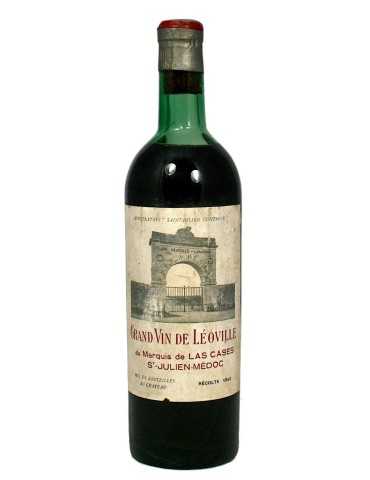
- Very high priority: great 1943 red Bordeaux, Pauillac, Margaux, Pomerol, Saint-Émilion, Graves and top châteaux.
- High priority: 1943 Burgundy from top domaines, grand crus, premier crus and perfectly stored bottles.
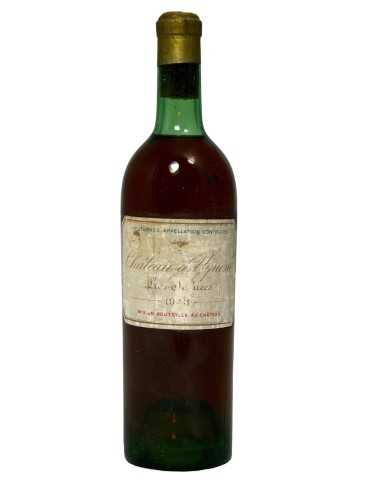
- High priority: 1943 Sauternes from leading estates, especially Yquem and sweet wines with healthy colour.
- Medium to high priority: 1943 Rhône, 1943 Champagne from major houses, Ports and rare fortified wines.
- Low priority: ordinary wines, minor appellations, bottles without history or low fill levels.
1943 Bordeaux: One of the Best Wartime Vintages
In Bordeaux, 1943 is considered a very strong success from the wartime period. The best red wines can still hold major interest for collectors and lovers of old Bordeaux. The vintage produced wines that were rich, complete and sufficiently tannic without excess, capable of fine longevity when storage has been impeccable.
The best 1943 red Bordeaux can offer aromas of evolved blackcurrant, cedar, blond tobacco, fine leather, forest floor, truffle, graphite, sweet spices, dried black fruits and faded floral notes. The style is historic, mature, patinated and intended for lovers of very old wines.
Appellations and styles to prioritise:
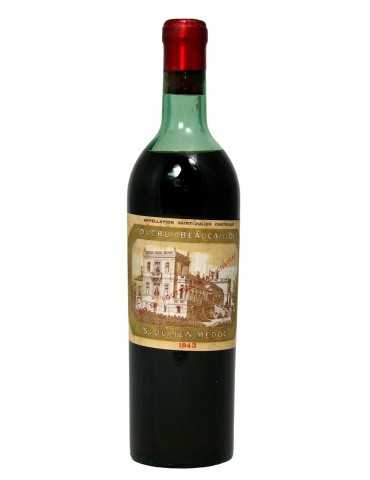
- 1943 Pauillac — A very fine option from classified growths and historic châteaux.
- 1943 Margaux — Interesting for finesse, perfume and aromatic nobility.
- 1943 Pomerol — Best from major estates and perfectly stored bottles.
- 1943 Saint-Émilion — Possible strong results from reference estates.
- 1943 Graves — Interesting from historic estates, especially for lovers of tertiary complexity.
Buying priority: very high for top châteaux, good fill levels, healthy colour, sound capsule and reliable provenance.
Great 1943 Bordeaux Wines to Look For
Great 1943 Bordeaux wines are now historic bottles. Some references are particularly sought after by collectors, but they should always be purchased only after careful inspection of fill level, colour, capsule and provenance.
- Château Mouton Rothschild 1943 — One of the great references of the vintage, rare and highly sought after.
- Château Haut-Brion 1943 — A great Graves wine, admired for depth and complexity.
- Château Cheval Blanc 1943 — A very fine Saint-Émilion option for lovers of great old Bordeaux.
- Petrus 1943 — A rare, prestigious and highly collectible bottle.
- Château Lafite Rothschild, Latour and Margaux 1943 — To be considered only with clear provenance and impeccable condition.
Buying priority: very high, but only from documented lots, correct fill levels and bottles without signs of advanced oxidation.
1943 Burgundy: A Very Fine Year from Great Domaines
1943 Burgundy is one of the attractive surprises of the vintage. Conditions allowed the production of ripe, well-built red wines capable of long evolution. From top domaines and the best terroirs, certain bottles can still offer great emotion.
The best 1943 red Burgundies can show notes of dried cherry, faded rose, preserved strawberry, forest floor, fine leather, damp earth, light truffle, sweet spices and evolved red fruits. The style is delicate, deep, mature and highly dependent on storage.
Styles to look for:
- 1943 Burgundy grand crus — Best from historic domaines and with documented provenance.
- 1943 Côte de Nuits — A strong option from great terroirs and well-preserved bottles.
- 1943 premier crus — Interesting from the best producers, but strict selection is essential.
- Ordinary 1943 Burgundies — Best avoided unless fill level is exceptional, provenance is clear or the purchase is sentimental.
Buying priority: high for top domaines and great terroirs; low for ordinary bottles or wines without reliable history.
1943 Sauternes: A Solid Option for Mature Sweet Wines
1943 Sauternes is an interesting category for an old bottle. Sweet wines can often withstand time better than many dry reds, thanks to their sugar, acidity and natural concentration. From leading estates, 1943 can offer bottles of strong historic value.
The best 1943 Sauternes can develop notes of honey, candied apricot, bitter orange, beeswax, saffron, tea, dried fruits, noble caramel, sweet spices, walnut and roasted yellow fruits. When buying, colour and fill level must be examined very carefully.
Examples of wines to consider:
- Château d’Yquem 1943 — The major Sauternes reference of the vintage, rare and prestigious.
- Château Coutet 1943 — Worth considering for lovers of old Barsac, with satisfactory fill level and colour.
- Château Climens 1943 — Interesting from well-preserved bottles and reliable provenance.
- Château Rieussec, Suduiraut or Rayne Vigneau 1943 — To be selected according to the actual bottle condition.
Buying priority: high for leading estates, healthy colour, correct fill level and documented provenance.
1943 Rhône: An Interesting but Rare Category
1943 Rhône wines may hold interest from top producers and historic appellations. Some sources value the Rhône strongly in this vintage, but available bottles are rare and storage condition remains decisive.
The best wines may evoke dried black fruits, pepper, violet, leather, smoke, black olive, dried herbs, spice and forest floor. At this age, only bottles from serious producers and reliable cellars should be considered.
- 1943 Hermitage — Worth considering from top producers and with clear provenance.
- 1943 Côte-Rôtie — Possible interest for lovers of very old Syrah.
- 1943 Châteauneuf-du-Pape — Best reserved for historic estates and impeccable bottles.
Buying priority: medium to high for top producers; low for ordinary bottles.
1943 Champagne: A Very Rare Collector Bottle
1943 Champagne is a rare and fragile collector category. At this age, remaining pressure may be low, and tasting quality depends heavily on storage. Major houses, magnums and bottles with documented provenance should be prioritised.
The best old Champagnes from 1943 may offer notes of ripe apple, dried fruits, honey, wax, old brioche, hazelnut, almond, candied citrus, noble mushroom and toasted evolution. They are intended for lovers of very mature, evolved Champagne.
- 1943 vintage Champagnes from major houses — To be prioritised only with clear storage history.
- 1943 Champagne magnums — Very rare, but more interesting when available.
- 1943 collector cuvées — To be considered more for heritage value than for tasting certainty.
Buying priority: medium for major houses and perfectly stored bottles; low for ordinary bottles.
1943 Port and Fortified Wines: A Historic and Reassuring Alternative
For a 1943 bottle, Ports and fortified wines can be an interesting alternative to dry reds. Thanks to their alcohol, richness and ageing style, they often resist time better and offer greater tasting security.
A 1943 Port or fortified wine can develop notes of walnut, fig, caramel, candied orange, cocoa, coffee, dried fruits, sweet spices, blond tobacco, noble wood and rancio. For an anniversary bottle, this is a rare, symbolic and often deeply moving option.
- 1943 Vintage Port — Rare, to be considered from historic houses and with clear provenance.
- 1943 Colheita Port — A very fine option when the house and bottling date are clearly indicated.
- Old fortified wines — Best from recognised producers and with complete traceability.
Buying priority: medium to high when the house, fill level, bottling and provenance are documented.
1943 Italy and Spain: Rarity and Extreme Selection
Italian and Spanish wines from 1943 are now very rare. Some great historic bottles may hold interest, but selection must be extreme. Dry red wines of this age depend heavily on producer, fill level, style and storage history.
Old Rioja, certain Spanish historic cuvées or a few Italian bottles from historic producers may hold heritage value, but they are not the main focus of the vintage. Fortified wines are often more reassuring.
Buying priority: low to medium, except for perfectly documented historic bottles or fortified wines.
Buying a 1943 Wine: Essential Criteria
When buying a 1943 bottle, the real condition of the bottle must be examined very carefully. After more than eighty years, a prestigious label is not enough. A poorly stored great wine can disappoint, while a more discreet but perfectly stored bottle can offer a rare and memorable tasting experience.
- Fill level: favour the highest possible levels, especially for dry red wines.
- Colour: avoid wines that appear abnormally brown, dull, cloudy or oxidised for their style.
- Capsule: watch for signs of seepage, corrosion, oxidation or weakened cork.
- Provenance: favour known cellars, documented lots and bottles stored in stable conditions.
- Format: magnums are rare, but preferable when available.
- Wine type: Bordeaux, Burgundy, Sauternes, Rhône and fortified wines are the most credible categories.
Serving Advice for a 1943 Bottle
An old 1943 bottle should be handled with great delicacy. It is advisable to stand the bottle upright for at least one day before opening so that the sediment can settle. Opening should be slow, ideally with vintage wine tongs or a corkscrew suitable for fragile old corks.
For very old red wines, decanting is generally not recommended. It is better to taste the wine immediately after opening and avoid harsh oxygen exposure. Sauternes and fortified wines may be served slightly chilled to preserve their balance. Old Champagnes should be served cool but not ice-cold.
Summary of the 1943 Vintage
- 1943 Bordeaux — One of the main pillars of the vintage, especially top châteaux, Pauillac, Margaux, Pomerol and Graves.
- 1943 Burgundy — A very fine option from top domaines and great terroirs.
- 1943 Sauternes — Interesting for mature sweet wines, especially Yquem and leading estates.
- 1943 Rhône — Possible strong results from top producers, with strict selection.
- 1943 Champagne — A rare and fragile category, mainly for experienced collectors.
- 1943 Port — A historic and reassuring alternative, especially from documented houses.
- 1943 Italy and Spain — Possible interest from great historic bottles or fortified wines.
1943: A Rare, Moving and Historic Wartime Vintage
The 1943 vintage is a rare and historic year, particularly interesting for a birth-year bottle, an anniversary wine or a collection of fine old wines. Its strongest opportunities are found in Bordeaux from top châteaux, Burgundy from leading domaines, Sauternes, selected Rhône wines and fortified wines.
When buying a 1943 wine, it is essential to prioritise reference producers, bottles with clear provenance, correct fill levels and wine styles capable of surviving many decades. Well chosen, a 1943 wine can offer a rare, mature and deeply moving experience, perfectly suited to an anniversary gift or the celebration of a birth year.