 English
 Français
324.00 CHF

Filters (2 products)
1972 Vintage • Burgundy • Colheita Port • Bordeaux • Champagne • Rhône • Italy • Fine Old Wines
1972 Vintage — A Rare, Fragile and Highly Selective Year for Fine Old Wines
Buying a 1972 wine means choosing an old bottle with strong symbolic value, ideal for an anniversary bottle, a birth-year wine or a rare gift for someone born in 1972. The 1972 vintage is not a great homogeneous year: it was a difficult vintage in many regions and must be approached with caution, precision and careful selection.
After more than fifty years, the success of a 1972 bottle depends above all on its actual condition. Provenance, fill level, colour, the condition of the capsule, the cork and storage history are decisive. The best opportunities are often found in selected 1972 Colheita Ports, a few Burgundies from top domaines, rare Bordeaux bottles and old wines chosen for their historic or sentimental value.
Key takeaway: 1972 is a fragile and highly selective vintage. 1972 Colheita Ports are often among the most reassuring choices for an anniversary bottle. 1972 Burgundy may offer a few interesting bottles from the best domaines. 1972 Bordeaux, Rhône wines, Italian wines and Champagnes must be chosen with extreme care, only from major houses, with good fill levels and reliable provenance.
The Style of the 1972 Vintage
The 1972 vintage is a complex year. In several European regions, weather conditions made ripening difficult, producing wines that can be light, acidic, diluted or lacking depth. 1972 should therefore not be bought as a great ageing vintage, but as an old, rare and symbolic year to be selected bottle by bottle.
Despite this general fragility, a few categories can still be genuinely interesting. Fortified wines, especially 1972 Colheita Ports, often offer greater tasting security. Certain 1972 Burgundy bottles from top domaines may also surprise with their persistence, while other regions should be approached with greater caution.
Which 1972 Wines Should You Buy First?
- High priority: 1972 Colheita Ports, fortified wines, bottles from recognised houses, clear bottling information and reliable provenance.
- Medium to high priority: 1972 Burgundy from top domaines, grand crus or well-preserved premier crus.
- Medium priority: 1972 Champagnes from major houses, magnums, late disgorgements and perfectly stored bottles.
- Low to medium priority: 1972 Bordeaux only from major names, good fill levels, healthy colour and reliable cellars.
- Low priority: Rhône, Italy, modest Bordeaux, ordinary Burgundy and dry red wines with no documented storage history.
1972 Port: The Most Reassuring Option for an Anniversary Bottle
For a 1972 bottle, 1972 Colheita Port is one of the most interesting categories. Unlike many dry red wines that have become fragile, a Colheita benefits from long oxidative ageing in cask, natural richness and alcoholic structure, which generally allow it to withstand time more reliably.
A good 1972 Colheita Port can offer aromas of walnut, fig, caramel, candied orange, dried fruits, cocoa, coffee, sweet spices, blond tobacco, honey and noble wood notes. For a 1972 birth-year wine or an anniversary gift, it is often a safer, more generous and more emotional choice than many dry reds of the same age.
Styles to look for:
- 1972 Colheita Port — Best when the house, bottling date and provenance are clearly indicated.
- 1972 Single Harvest Port — A very fine option for an anniversary bottle, especially from recognised houses.
- Historic Port houses — Worth considering according to availability, bottling information and overall condition.
Buying priority: high. 1972 Colheita Port is one of the best choices of the vintage for a reliable and symbolic tasting experience.
1972 Burgundy: A Few Surprises from Top Domaines
1972 Burgundy is one of the more interesting categories of the vintage, but only with strict selection. Unlike Bordeaux, which was very difficult that year, some Burgundy wines may have retained good acidity and reasonable persistence, especially from top domaines and the best terroirs.
The best 1972 red Burgundies can show notes of dried cherry, faded rose, sweet spices, forest floor, fine leather, damp earth, light truffle and evolved red fruit. The style is generally delicate, patinated and fragile: it is mainly suited to lovers of old Burgundy and collectors.
Styles to look for:
- 1972 Burgundy grand crus — To be considered only from reference domaines and with correct fill level.
- 1972 Côte de Nuits — One of the better Burgundy avenues, especially from great terroirs.
- 1972 premier crus — Interesting from the best producers, but strictly bottle by bottle.
- Ordinary 1972 Burgundies — Best avoided unless storage is exceptional or the purchase has sentimental value.
Buying priority: medium to high for top domaines; low for ordinary wines or bottles without reliable provenance.
1972 Bordeaux: A Difficult Vintage to Buy with Great Caution
In Bordeaux, 1972 is a difficult vintage. Cold and wet conditions complicated grape ripening, and many red wines now lack flesh, depth and balance. 1972 Bordeaux should therefore not be presented as a great ageing choice, but as a rare and highly selective category.
A few top châteaux or better-drained terroirs may still offer collector interest, especially for a 1972 birth-year bottle. The best examples may show notes of cedar, tobacco, forest floor, fine leather, dried red fruits, damp earth and sweet spices, but the risk of fatigue is high.
Appellations and styles to consider with caution:
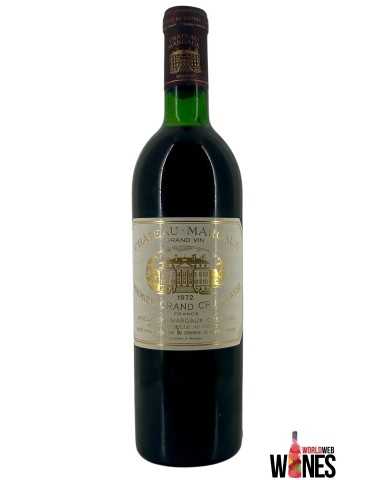
- 1972 Margaux — Some bottles may be interesting from the best châteaux, with strict selection.
- 1972 Graves — Possible interest from certain historic estates and well-preserved bottles.
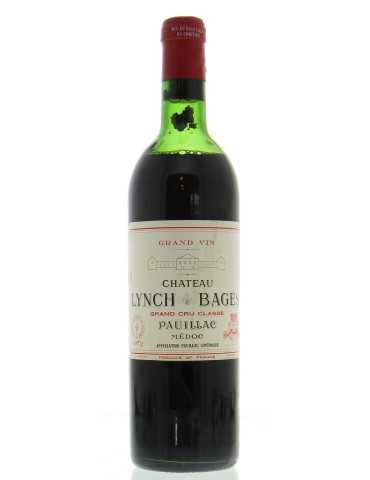
- 1972 Pauillac and Saint-Julien — To be considered only from classified growths, good fill levels and reliable cellars.
- Modest 1972 Bordeaux — Best avoided, unless the purchase is sentimental or the bottle has been perfectly stored.
Buying priority: low to medium. 1972 Bordeaux should only be bought from major names, with strong provenance and impeccable condition.
1972 Sauternes: A Category to Select with Caution
In Sauternes and Barsac, 1972 is not one of the great reference vintages. Sweet wines can sometimes age better than dry reds, but quality remains highly dependent on the estate, fill level, colour and storage conditions.
The best-preserved bottles may show notes of honey, wax, candied orange, dried apricot, sweet spices and evolved yellow fruits. However, the risks of advanced oxidation, lack of concentration or fatigue must be taken into account.
- Top 1972 Sauternes estates — To be considered only with high fill level and healthy colour.
- 1972 Barsac — Possible interest from the best producers, with strict selection.
- Modest 1972 sweet wines — Best avoided unless storage is exceptional.
Buying priority: low to medium, only from major estates, with correct fill levels and no signs of advanced oxidation.
1972 Champagne: A Rare Option from Major Houses
1972 Champagne can be considered for an anniversary bottle, but it is a highly selective category. At this age, storage is absolutely decisive: colour, remaining pressure, capsule condition, fill level and provenance must all be checked carefully.
The best old 1972 Champagnes may offer notes of ripe apple, dried fruits, honey, brioche, hazelnut, wax, almond, candied citrus and toasted evolution. They are mainly suited to lovers of delicate, mature old Champagne.
- 1972 vintage Champagnes from major houses — To be prioritised with documented provenance.
- 1972 Champagne magnums — Worth seeking when available, as the larger format better protects the wine’s evolution.
- Late disgorgements — More reassuring when available and clearly traceable.
Buying priority: medium for major houses, magnums and perfectly stored bottles; low for ordinary bottles.
1972 Italy: A Difficult Year, Best Reserved for Major Names
1972 Italy should be approached with caution. Unlike 1971, which was a great year for Piedmont, 1972 is not a benchmark vintage for age-worthy Italian wines. 1972 Barolo and 1972 Barbaresco should only be considered from historic producers and with impeccable provenance.
A few bottles may have historic or sentimental interest, but the risk of fatigue is high. For bottles intended to be opened, it is best to focus on very well-stored examples from top estates at sensible prices.
- 1972 Barolo — To be considered only from top producers and with documented provenance.
- 1972 Barbaresco — A very fragile category, best reserved for experienced collectors.
- 1972 Tuscany — Possible interest from a few historic producers, but not a general priority.
Buying priority: low to medium, only from major names, strong provenance and impeccable bottles.
1972 Rhône: Not a Priority Category
1972 Rhône wines are not a priority for buying fine old wines. A few bottles from top producers may offer curiosity or collector interest, but most dry red wines from this vintage are now very fragile.
The best bottles may show dried black fruits, leather, pepper, dried herbs, smoke and spices. However, the risk of fatigue, dryness or oxidation is significant if storage has not been perfect.
- 1972 Côte-Rôtie — To be considered only from top producers and with correct fill level.
- 1972 Hermitage — Possible interest from great cuvées, but strict selection is required.
- 1972 Châteauneuf-du-Pape — Best reserved for historic estates and perfectly stored bottles.
Buying priority: low, except for top producers and impeccable provenance.
Buying a 1972 Wine: Essential Criteria
When buying a 1972 bottle, caution is essential. The vintage is old, rare and fragile. The actual condition of the bottle matters more than the reputation of the appellation. A poorly stored famous label can disappoint, while a Colheita Port or a perfectly stored bottle can offer a deeply moving experience.
- Fill level: favour high fill levels, especially for dry red wines and old Bordeaux.
- Colour: avoid wines that appear abnormally brown, dull or oxidised for their style.
- Capsule: watch for signs of seepage, oxidation, corrosion or weakened cork.
- Provenance: favour known cellars, documented lots and bottles stored in stable conditions.
- Format: magnums and large formats are preferable when available, especially for Champagne and Burgundy.
- Wine type: Colheita Ports and fortified wines are often the most reassuring choices of the 1972 vintage.
Serving Advice for a 1972 Bottle
An old 1972 bottle should be handled with great delicacy. It is advisable to stand the bottle upright for several hours before opening so that the sediment can settle. Opening should be slow, ideally with a corkscrew suitable for old corks or with vintage wine tongs.
For old red wines, decanting should remain very limited. It is better to taste the wine immediately after opening, then decide whether it can tolerate a little air. Old Champagnes should be served cool but not ice-cold. Colheita Ports may be served slightly chilled to preserve their balance, richness and complexity.
Summary of the 1972 Vintage
- 1972 Colheita Port — One of the best choices of the vintage for a reliable and symbolic anniversary bottle.
- 1972 Burgundy — A few surprises possible from top domaines, especially with strong provenance.
- 1972 Bordeaux — A difficult vintage, best reserved for major names, good fill levels and highly selective buying.
- 1972 Sauternes — A cautious category, interesting only from major estates and healthy bottles.
- 1972 Champagne — A rare option from major houses, magnums or late disgorgements.
- 1972 Italy — A difficult year, best reserved for historic producers and perfectly stored bottles.
- 1972 Rhône — Not a priority, except from top producers and impeccable provenance.
1972: A Rare Vintage to Choose with Great Precision
The 1972 vintage is a rare, fragile and highly selective year. It should not be bought as a great classic vintage, but as a birth-year bottle, an anniversary wine or an old bottle with strong sentimental value. The best choices are mainly found among Colheita Ports, selected Burgundies from top domaines, a few Champagnes and rare, perfectly stored Bordeaux bottles.
When buying a 1972 wine, it is essential to prioritise reference producers, bottles with clear provenance, correct fill levels and wine categories most resistant to time. Well chosen, a 1972 wine can offer a rare, mature and deeply personal experience, especially as an anniversary gift or to celebrate a year of birth.
78.00 CHF
