English
 Français

Austrian Wines — Alpine Freshness, Precision and Great Elegance
General Presentation
Austrian wines hold a distinctive place in the European wine landscape. Long discreet on the international stage, they are now sought after for their purity, freshness, aromatic precision and clear expression of terroir. Between Alpine influences, continental climates, the Danube valleys and the warmer zones of Burgenland, Austria offers a remarkable diversity of styles.
The country is particularly renowned for its great dry white wines, led by Grüner Veltliner and Riesling, but it also produces elegant reds from Zweigelt, Blaufränkisch and St. Laurent. Sweet wines, whether botrytised or made from frozen grapes, complete this identity with great nobility.
From the steep terraces of the Wachau to the deep soils of the Wagram, from the refined reds of Burgenland to the chiselled whites of Styria, Austrian wines seduce through their balance between tension, ripeness, finesse and authenticity.
Emblematic Austrian Grape Varieties
Austria has a strong identity thanks to its native grape varieties and its tradition of precise dry wines, often driven by fine acidity and great purity of expression.
- Grüner Veltliner — Austria’s emblematic white grape variety, producing fresh, spicy and sometimes peppery wines, with notes of pear, green apple, citrus and fine herbs.
- Riesling — Particularly remarkable in the Wachau, Kamptal and Kremstal, it produces tense, mineral, profound wines capable of ageing with elegance.
- Weißburgunder — Austrian Pinot Blanc, often subtle, floral and delicate, with fine gastronomic potential.
- Zweigelt — A crossing of St. Laurent and Blaufränkisch, producing fruity, supple and approachable reds marked by black cherry and sweet spices.
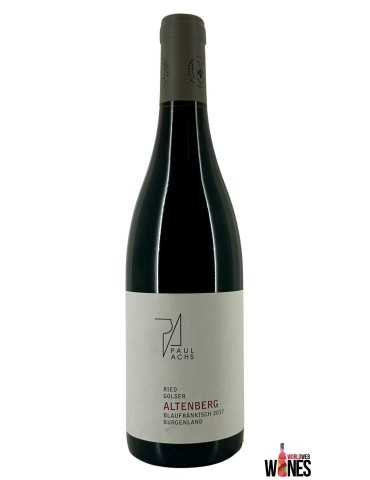
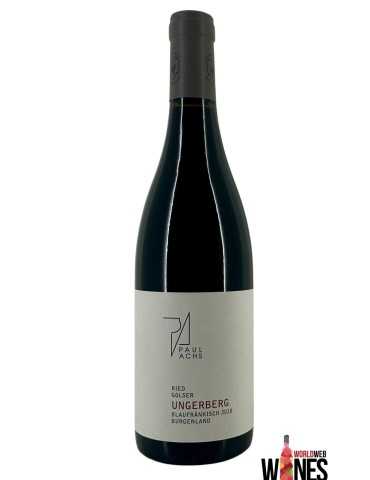
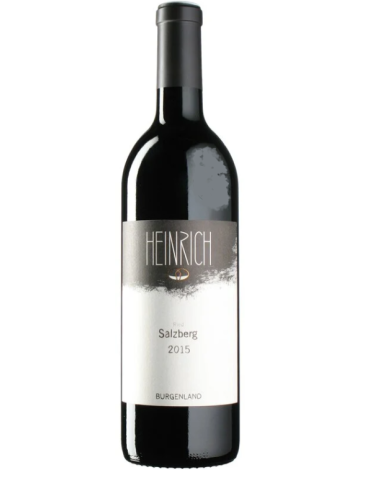
- Blaufränkisch — A great red grape of Burgenland, structured, fresh and spicy, capable of producing profound, age-worthy wines.
- St. Laurent — A delicate red grape, close in spirit to Pinot Noir, offering fine, aromatic and elegant wines.
The Great Austrian Wine Regions
Austria’s vineyards are mainly concentrated in the eastern part of the country, around major regions such as Lower Austria, Burgenland, Styria and Vienna. Each has a strong identity, shaped by climate, soils and grape varieties.
Wachau, Kamptal and Kremstal — Great Whites of Precision
The Wachau, Kamptal and Kremstal are among the most prestigious regions for great Austrian white wines. Grüner Veltliner and Riesling express a remarkable combination of ripeness, tension, minerality and depth. The finest wines can age for many years while retaining luminous freshness.
Wagram and Weinviertel — Grüner Veltliner and Terroir Expression
The Wagram and Weinviertel are particularly associated with Grüner Veltliner. The wines can be lively, fruit-driven and approachable, but also broader and more structured depending on terroir and producer. Wagram often gives wines with a more generous texture, while Weinviertel highlights the freshness and peppery character of the grape.
Burgenland — Profound Reds and Great Sweet Wines
Located in eastern Austria, Burgenland benefits from a warmer climate influenced by Lake Neusiedl. It is known for reds based on Blaufränkisch, Zweigelt and St. Laurent, as well as for great botrytised sweet wines. The reds can be spicy, structured, profound and endowed with fine ageing capacity.
Styria — Aromatic Whites and Crystalline Freshness
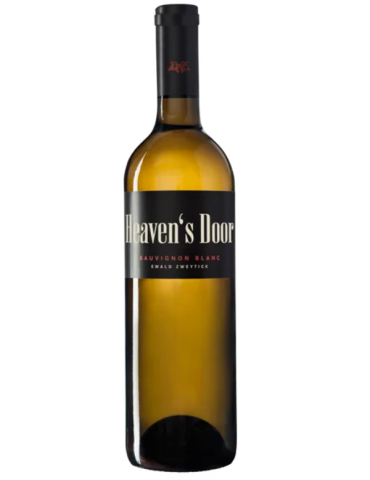
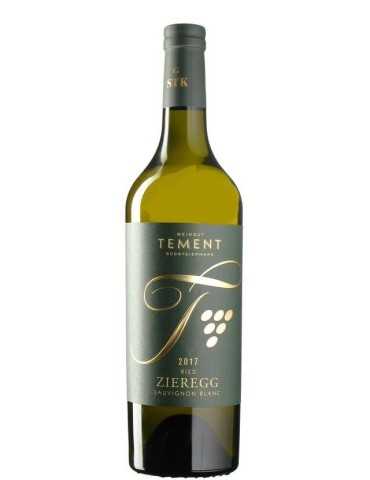
Styria, in the south-east of the country, stands out for its rolling landscapes and aromatic white wines. Sauvignon Blanc, Weißburgunder, Morillon and Muskateller produce fresh, fragrant, precise and often very elegant wines. It is a particularly interesting region for lovers of vivid and expressive whites.
Vienna — A Unique Wine Capital
Vienna has a singular wine tradition, with vineyards located at the gates of the capital. The local speciality, Gemischter Satz, is made from several grape varieties grown together in the same vineyard. These white wines express fine freshness, delicate aromatics and a style deeply connected to Viennese wine culture.
Styles of Austrian Wines
Austrian white wines are the country’s great signature. Grüner Veltliner can be light, lively and peppery, or broader, deeper and more structured depending on its terroir. Austrian Riesling is marked by tension, minerality, notes of peach, apricot and citrus, and the ability to age without losing its brightness.
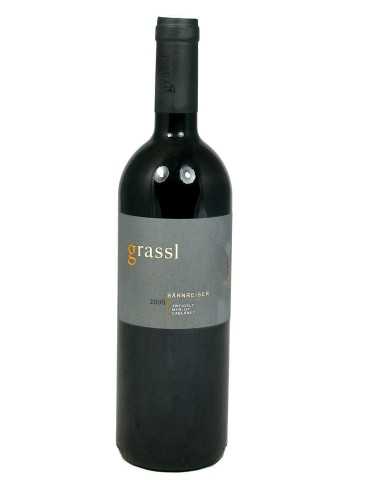
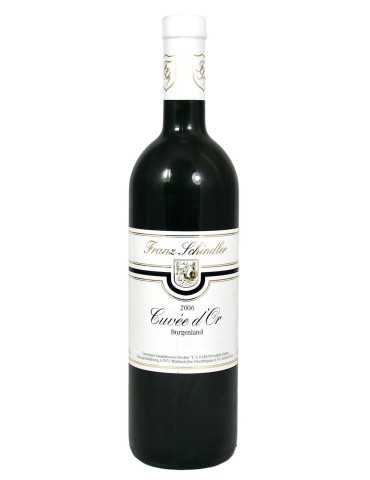
Austrian red wines offer an elegant, fresh and often spicy expression. Zweigelt gives supple, fruit-driven wines, while Blaufränkisch can produce deeper, more structured and more complex reds. St. Laurent brings a more delicate, floral and refined dimension.
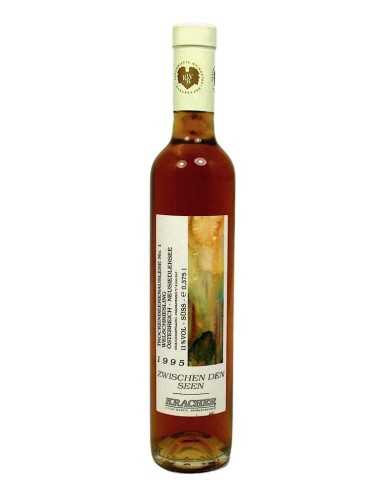
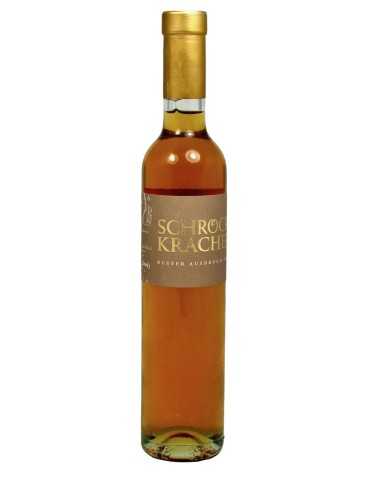
Austrian sweet wines, especially from Burgenland, can reach very high levels of concentration and balance. Wines made from botrytised or frozen grapes develop aromas of honey, dried apricot, candied fruit, spice and dried flowers, while retaining precious acidity.
Sustainable, Organic and Natural Viticulture
Austria holds an important place in the development of environmentally conscious viticulture. Many estates now work organically, biodynamically or according to sustainable practices, with high standards in vineyard management and winemaking.
This approach often results in wines of great purity, precision, digestibility and strong origin. Far from being a simple stylistic argument, sustainability is part of the contemporary identity of Austrian wines.
Food and Wine Pairings
- Grüner Veltliner — Seafood, fish, asparagus, crunchy vegetables, Asian cuisine, sushi and fresh salads.
- Austrian Riesling — Fine fish, shellfish, spicy cuisine, delicate poultry and citrus-based dishes.
- Blaufränkisch — Lamb, braised meats, game, mushroom dishes, mature cheeses and cuisine with sweet spices.
- Zweigelt — Grilled meats, fine charcuterie, roasts, roast poultry and convivial dishes.
- Austrian sweet wines — Blue cheeses, foie gras, yellow fruit desserts, tarts, spiced pastries and contemplative tasting.
Buying Austrian Wines
Buying Austrian wines means discovering a viticulture of precision, where freshness, purity and terroir expression occupy a central place. The great whites of Wachau, Kamptal and Kremstal seduce through tension and depth, while the reds of Burgenland offer an elegant and structured alternative to the great red wines of Central Europe.
For immediate enjoyment, light Grüner Veltliner, vivid Rieslings and fruit-driven Zweigelt offer refined and accessible pleasure. For a cellar built for ageing, great Rieslings, powerful Grüner Veltliner, terroir-driven Blaufränkisch and sweet wines from Burgenland are particularly interesting choices.
Selection should take into account region, grape variety, estate, vintage and desired style. The finest Austrian wines have a clear identity: freshness, precision, elegance and depth.
In Summary
- Wines renowned for their freshness, purity, elegance and aromatic precision.
- Emblematic grape varieties such as Grüner Veltliner, Riesling, Zweigelt, Blaufränkisch and St. Laurent.
- Mineral whites, elegant reds, rare sweet wines and highly gastronomic styles.
- A modern wine culture, often committed to organic, biodynamic or sustainable practices.
Austria: A Great Origin for Lovers of Precision
Austrian wines embody a rare alliance of Alpine freshness, controlled ripeness and precise terroir expression. Chiselled Grüner Veltliner, mineral Riesling, spicy Blaufränkisch or sweet wine from Burgenland: each style reveals a facet of a demanding, discreet and deeply refined wine country. For lovers of elegant, digestible and expressive wines, Austria is today one of the most exciting origins in Europe.