Français
 English
135,00 CHF

1986 Vintage • Bordeaux • Sauternes • Burgundy • Rhône Valley • Champagne • Italy • California
1986 Vintage — A Classical, Powerful and Highly Selective Year
Buying a 1986 wine means choosing a vintage of great contrasts. It is not a uniformly successful year across all regions, but it produced some remarkable bottles, especially in terroirs capable of carrying firm tannic structures. Its reputation rests mainly on the great red wines of Left Bank Bordeaux, particularly Cabernet Sauvignon-dominant wines, and on the great sweet wines of Sauternes.
The general style of 1986 is classical, firm, deep and sometimes austere. The best wines have great ageing capacity, solid architecture and a noble expression of terroir. However, some wines, especially from less favoured regions or appellations, can now seem dry, strict or past their best. For buying or drinking, 1986 must therefore be approached with precision, focusing on great estates, the regions best suited to the vintage and bottles with impeccable provenance.
Our advice
For the safest purchases, favour a great Left Bank Bordeaux 1986, especially from Pauillac or Saint-Julien, or a great Sauternes 1986. Certain historic California Cabernets and selected Tuscan wines can also be attractive. In Burgundy, the Rhône Valley and Champagne, buy only bottles with perfect provenance and a clearly identified producer.
Buying guide
The strongest choices: Left Bank Bordeaux, Sauternes, selected California Cabernets, top Tuscan wines.
Best for lovers of structure: Pauillac, Saint-Julien, Saint-Estèphe, Cabernet Sauvignon-dominant Bordeaux.
Best for a birth-year bottle: great Bordeaux, Sauternes, selected Napa Valley or Sonoma Cabernet Sauvignon.
Check before buying: provenance, fill level, colour, capsule, cork condition, seepage and storage history.
What is the style of 1986 wines?
1986 is a vintage of structure, firmness and classical depth. The best bottles can still show impressive longevity, especially where tannins, acidity and fruit were well balanced. It is not generally a vintage of immediate charm or softness: some wines remain powerful and serious, while others may now seem austere or tired. The key is to focus on the regions and estates that truly succeeded.
Bordeaux 1986: the great territory of the vintage
In Bordeaux, 1986 is above all a Left Bank vintage. The best results are found in the Médoc, particularly in Pauillac, Saint-Julien and, among the finest estates, Saint-Estèphe and Margaux. Cabernet Sauvignon performed especially well, producing dense, deep, structured wines built for long ageing.
Great 1986 Bordeaux wines are marked by powerful tannins, preserved acidity, serious substance and very slow evolution. They are classical and sometimes impressive, though not always immediately charming. The finest bottles now show blackcurrant, cedar, blond tobacco, graphite, fine leather, forest floor and noble spice.
To favour: Pauillac, Saint-Julien, Saint-Estèphe, Margaux, great Cabernet Sauvignon-dominant classified growths.
Best for: lovers of powerful, classical, structured and long-lived Bordeaux.
Buying priority: very high for well-preserved Left Bank classified growths.
Sauternes 1986: a very great success for sweet wines
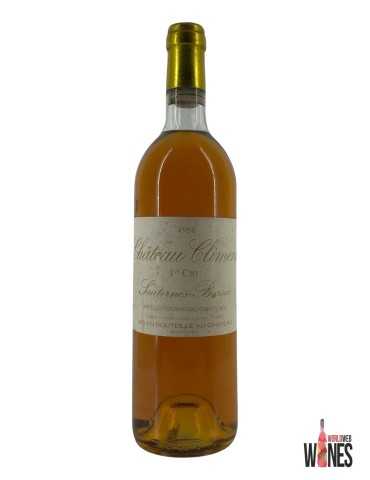
Sauternes 1986 is one of the great successes of the vintage. Late-season conditions allowed noble rot to develop, producing rich, botrytised, deep and balanced wines. The finest sweet wines of the year still have outstanding potential and remarkable aromatic complexity.
Great 1986 Sauternes combine richness, freshness, sweetness, gentle spice, candied apricot, honey, saffron, exotic fruit, beeswax and dried-fruit notes with age. Unlike some red wines from the vintage, which can be tannic or austere, the best sweet wines of 1986 often offer a more harmonious and reliable experience today.
To favour: Sauternes, Barsac, great châteaux, half-bottles and bottles with excellent colour and provenance.
Best for: anniversary bottles, refined gifts and lovers of mature sweet wines.
Buying priority: very high, one of the safest categories of the vintage.
Burgundy 1986: a delicate and very uneven vintage
In Burgundy, 1986 is a much more delicate vintage. Red wines often lack concentration and quality varies greatly by sector, estate and sorting at harvest. Many red Burgundies from this year are now tired or only modestly expressive.
The Côte de Nuits generally performed better than the Côte de Beaune for reds, but selection must remain very strict. Only bottles from great terroirs and rigorous producers are likely to retain real interest today, with evolved red fruit, spice, forest floor, faded rose and fine earth notes.
To favour: great Côte de Nuits producers, grands crus, major premiers crus, bottles with perfect provenance.
Best for: experienced Burgundy collectors and mature-vintage tastings.
Buying priority: low to selective; not a general buying priority.
Rhône Valley 1986: a variable year, rarely a priority
In the Rhône Valley, 1986 is an uneven vintage. Northern Rhône reds can be firm, lean or austere, even if a few leading estates produced interesting wines. In the southern Rhône, results are also variable, with wines that can be rustic, tannic or past their best.
This is not a Rhône vintage to seek out as a priority, especially when compared with nearby years such as 1985, 1988, 1989 or 1990. The best bottles may show evolved charm, spice, leather, garrigue, dried black fruit and pepper, but selection must be strict.
To favour: Côte-Rôtie, Hermitage, Châteauneuf-du-Pape only from top producers and documented cellars.
Best for: collectors looking for specific mature bottles rather than general Rhône value.
Buying priority: selective and secondary.
Champagne 1986: a secondary vintage to select with caution
In Champagne, 1986 is not considered a great classical vintage. The decade includes more highly regarded years such as 1982, 1985, 1988 and 1989. 1986 Champagnes can be interesting for lovers of mature bottles, but they must be chosen with considerable caution.
At this age, storage condition is decisive. The best bottles can offer dried fruit, honey, brioche, wax, ripe apple and noble oxidative notes. However, many 1986 Champagnes may now lack freshness or precision. Magnums are preferable when available.
To favour: prestige cuvées, historic houses, magnums, bottles with excellent colour and storage history.
Best for: niche mature-Champagne tastings rather than a safe anniversary choice.
Buying priority: low to selective; 1982, 1985, 1988 or 1989 are generally safer.
Italy 1986: strong interest in Tuscany, more variable in Piedmont
In Italy, 1986 is a contrasting vintage. Tuscany offers the most interesting results, especially in certain Chianti Classico Riserva, Vino Nobile di Montepulciano, Brunello di Montalcino and great Cabernet Sauvignon-based wines. These wines can be classical, structured, elegant and now fully evolved.
Piedmont is more irregular in 1986. Barolo and Barbaresco can lack depth from some producers, although the best estates made bottles of interest. When buying, favour major names, well-preserved cuvées and bottles from reliable cellars.
To favour: Sassicaia, top Brunello, Chianti Classico Riserva, selected Barolo and Barbaresco from leading producers.
Best for: lovers of mature, classical Italian wines, especially Tuscany.
Buying priority: high in Tuscany, more selective in Piedmont.
California 1986: fine classical Cabernets, but selection is necessary
In California, 1986 is an interesting year for Cabernet Sauvignon, especially in Napa Valley and Sonoma. The best wines show a more classical profile than some very solar Californian vintages: ripe but contained fruit, moderate tannins, cassis, plum, cedar, tobacco, sweet spice and sometimes menthol with age.
Great Californian Cabernets from 1986 can still offer real pleasure, but not all have the depth or longevity of the greatest years. Provenance is essential, as mature Californian bottles can evolve very differently depending on storage conditions.
To favour: Napa Valley Cabernet Sauvignon, Sonoma Cabernet, historic estates, bottles with clear provenance.
Best for: lovers of mature, classical and well-preserved American Cabernets.
Buying priority: selective to high for historic estates in excellent condition.
Buying and serving a 1986 bottle
Buying a 1986 wine requires a highly selective approach. At this age, bottle condition matters as much as the label. Examine the fill level, colour, capsule, label, absence of seepage and, above all, storage history.
The strongest priorities are great Left Bank Bordeaux, great Sauternes, selected California Cabernets and some great Tuscan wines. For serving, open old reds gently. Long decanting is not always recommended, as mature wines can lose balance quickly after opening. It is often better to uncork, taste, then adapt aeration according to the wine’s condition and structure.
1986: a vintage of structure, classicism and careful selection
The 1986 vintage is serious, classical and sometimes impressive, but it must be approached with discernment. Its greatness lies mainly in Left Bank Bordeaux, where Cabernet Sauvignon produced powerful, deep and long-lived wines, and in Sauternes, one of the safest and most beautiful categories of the vintage.
To offer or enjoy a mature, structured and memorable bottle, discover our selection of 1986 wines and choose the cuvée best suited to your occasion, your taste and your expectations for bottle condition.
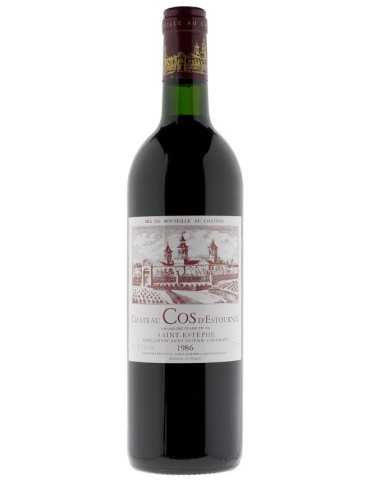
140,00 CHF
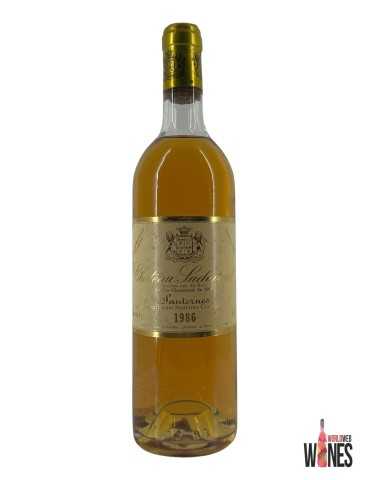
85,00 CHF
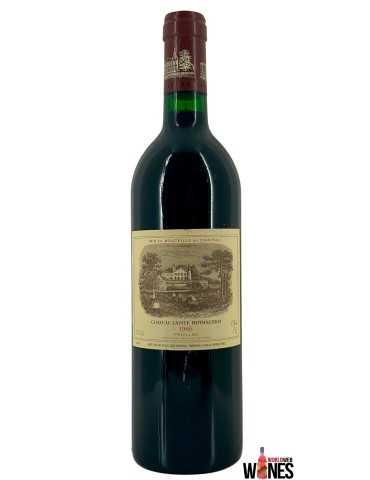
999,00 CHF
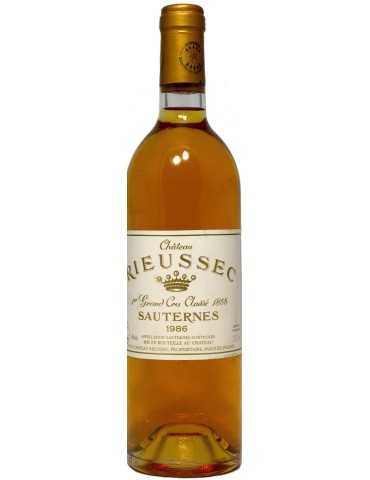
75,00 CHF