English
 Français
Filters (3 products)
France • Burgundy • Chablis • Chardonnay • Kimmeridgian • Organic Viticulture
Domaine Jean-Claude Bessin – Tremblay
The vibrant purity of Chablis, between family heritage and contemporary vision
Founded in the 1880s in La Chapelle-Vaupelteigne, the Tremblay estate began a true renaissance in 1992, when Jean-Claude Bessin — formerly an architect — and Evelyne Tremblay took over. They revealed the full potential of the estate’s 12 hectares of old vines, rooted in some of the most expressive limestone slopes of Chablis: Fourchaume – La Pièce au Comte, Montmains, La Forêt, and the iconic Valmur.
Since 2015, their sons Romain and Antoine Bessin have infused the estate with a new dynamic, centered on parcel-by-parcel precision, organic farming, and a quest for pure terroir expression.
Organic viticulture & a refined, artisanal approach
The estate is committed to exemplary organic viticulture, inspired by a biodynamic spirit:
- gentle ploughing and controlled cover crops,
- massal selection pruning to ensure longevity,
- 100% manual harvesting,
- meticulous parcel monitoring,
- precise ripeness and often early picking depending on the vintage.
The goal is constant: to preserve the natural tension of Chardonnay and the limestone-driven minerality that defines Chablis, while avoiding any over-ripeness.
Old vines & reference terroirs
Most of the vineyard is composed of old vines deeply rooted in Kimmeridgian soils rich in marine fossils. Each climat offers its own profile — always tense, luminous and saline:
- La Forêt – vertical, smoky, razor-sharp.
- Montmains – density, breadth, deep minerality.
- Fourchaume – La Pièce au Comte – energy, length, chiselled texture.
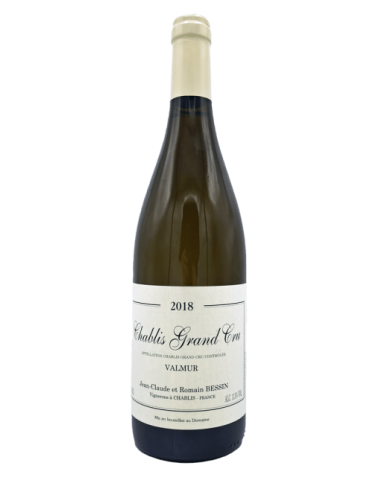
- Valmur Grand Cru – saline power, concentration, towering structure.
Natural winemaking & long ageing: the Bessin signature
The estate embraces a low-intervention philosophy:
- indigenous yeast fermentations,
- long ageing of 15–18 months,
- stainless steel tanks for purity,
- neutral barrels (≤ 10% new oak) for gentle micro-oxygenation,
- light filtration,
- careful, minimal sulphur use.
The goal is crystalline purity, mineral depth and vibrant tension, without any aromatic embellishment.
Wine style – straightness, salinity & luminous intensity
The estate’s wines are defined by:
- chiselled tension,
- marked salinity,
- pure, luminous white fruit,
- sleek, elongated textures,
- a long, iodised finish — the hallmark of Kimmeridgian soil.
These are straight, deep, precision-driven Chablis, rivaling the most admired producers of the appellation.
Key cuvées & ageing potential
| Cuvée | Profile & style |
|---|---|
| Chablis Villages | Fresh lemon, gunflint, saline balance. A perfect introduction to the house style. |
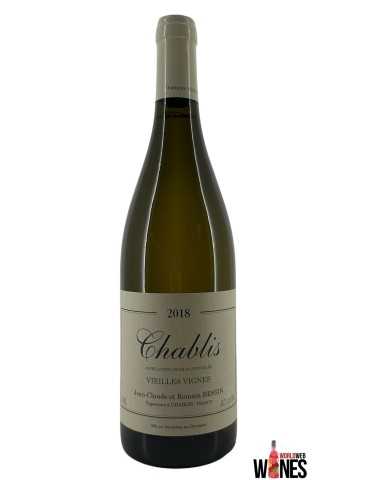
| Vieilles Vignes | Broader, deeper, more textural — added complexity and length. |
| La Forêt | Tense, smoky, incisive. A Premier Cru of remarkable straightness. |
| Montmains | Density, structure, deep minerality. |
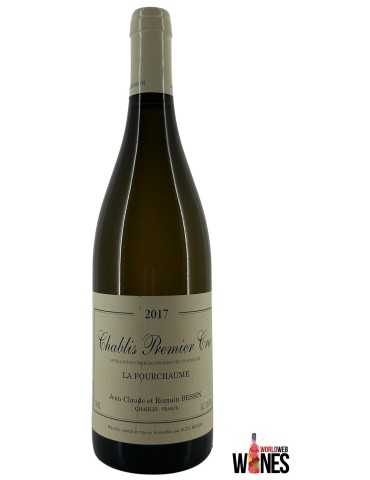
| Fourchaume – La Pièce au Comte | Amplitude, mineral length, remarkable brightness. |
| Valmur Grand Cru | Saline power, concentration, vertical architecture. Long ageing: 15–20 years. |
Conclusion
Domaine Jean-Claude Bessin – Tremblay stands among the most precise, luminous and sought-after producers in Chablis. Thanks to demanding organic viticulture, exceptionally pure winemaking and outstanding terroirs, Romain and Antoine Bessin craft incisive, saline and vibrant wines — some of the most inspired expressions from the right bank and the Grand Crus.