English
 Français
Filters (4 products)
United States • California • Santa Cruz Mountains • Pinot Noir • Chardonnay • Syrah
Rhys Vineyards – The Pinnacle of Terroir-Driven Winemaking in the Santa Cruz Mountains
High-Elevation, Stone-Driven, Biodiversity-Focused Mountain Viticulture
Founded at the turn of the 2000s by Kevin Harvey, Rhys Vineyards was created with a rare and uncompromising ambition: to demonstrate that California can produce terroir wines of the same profundity and precision as the world’s greatest high-altitude crus. Inspired by Burgundy and guided by a meticulous geological vision, the estate works exclusively with its own vineyards, planted on extreme slopes marked by rock, altitude and cool coastal climates.
Today, Rhys stands among the most exacting and respected producers in the United States — a benchmark for Pinot Noir, Chardonnay and Syrah shaped by mountain terroirs and crafted with absolute respect for place.
Terroirs – The Radical Expression of California’s Coastal Mountains
Rhys farms some of the most singular and demanding vineyards along the Pacific coast. Each is a geological microcosm defined by bedrock, elevation, slope and exposure:
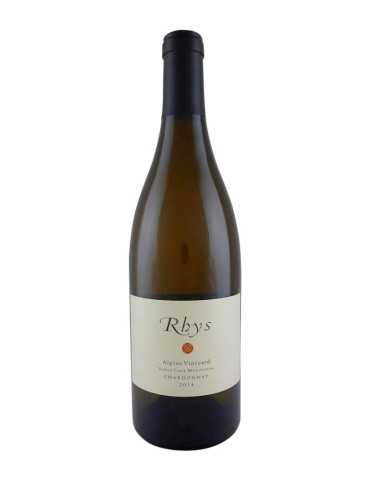
- Alpine Vineyard – fractured rock, high elevation, extreme finesse.
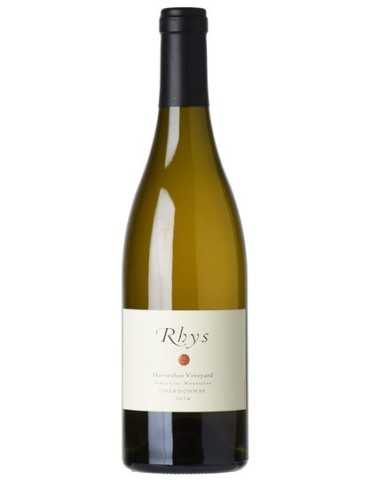
- Horseshoe Vineyard – rare California limestone, piercing tension, crystalline definition.
- Skyline Vineyard – dramatic altitude, stony soils, vertical structure.
- Home Vineyard – the estate’s origin parcel; refined aromatics and structure.
- Family Farm Vineyard – clay-limestone soils; fine, elegant textures.
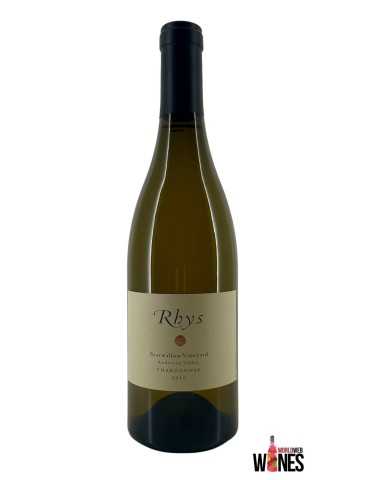
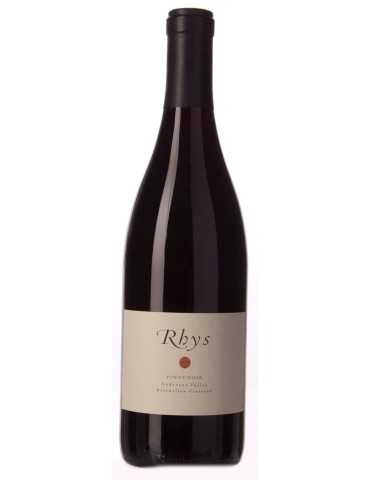
- Bearwallow Vineyard (Anderson Valley) – northern cool climate; intense freshness and linearity.
These mountainside sites share strong geological traits: rocky soils (schist, limestone, sandstone), elevations enabling slow ripening, deep ocean influence and naturally tiny yields. Drainage is extreme, yielding wines of remarkable structural energy and minerality.
Viticulture – High Density, Manual Farming, Absolute Precision
Rhys follows one of California’s most rigorous viticultural philosophies:
- high-density plantings inspired by Burgundy,
- entirely manual farming on steep, rugged slopes,
- living soils and biodiversity-driven practices,
- sustainable viticulture with no unnecessary inputs,
- hand harvesting at ideal physiological ripeness,
- strict parcel selection and separate vinification.
This level of precision gives Rhys wines a rare sense of identity, shaped by altitude, stone and coastal freshness.
Winemaking – Purity, Balance and Uncompromising Site Integrity
In the cellar, Rhys applies a disciplined, minimalist approach:
- 100% indigenous-yeast fermentations,
- gentle extractions to preserve finesse,
- calibrated élevage in French oak with limited new wood,
- no oenological manipulation or artifice,
- absolute priority to purity, structure and verticality.
The resulting wines are quietly intense, deeply structured and capable of long aging while retaining brightness, energy and minerality.
Style of the Wines
Rhys wines are characterised by:
- intense freshness, hallmark of high-altitude California,
- pronounced minerality (often limestone or schist),
- precise, elevated aromatics,
- linear, energetic structure,
- remarkable capacity for aging.
Pinot Noirs combine depth, finesse and salinity. Chardonnays show crystalline purity, tension and length. Syrahs reveal mountain spice, freshness and elegant power.
Signature Wines
- Alpine Vineyard – Pinot Noir
Extreme finesse, floral depth, mineral tension. - Horseshoe Vineyard – Pinot Noir & Chardonnay
Rare Californian limestone; vertical, refined, intensely energetic. - Bearwallow Vineyard – Anderson Valley
Cool-climate brightness, delicate aromatics, distinctly northern profile. - Skyline Vineyard – Pinot Noir
Altitude-driven depth, concentration and powerful minerality.
Conclusion
Rhys Vineyards represents the forefront of terroir-driven winemaking in California. Through radical mountain vineyards, meticulous viticulture and a minimalist, purity-focused cellar philosophy, the estate has become a benchmark for sommeliers, collectors and connoisseurs worldwide.
Rhys demonstrates with clarity that California can produce wines of mineral depth, structural finesse and long-term aging potential rivaling the world’s greatest high-altitude vineyards.