English
 Français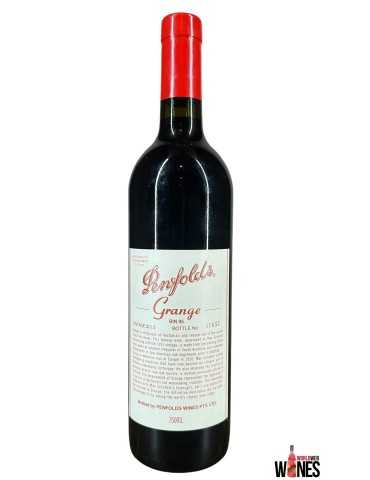
454.00 CHF

Filters (1 product)
Australia • South Australia • Adelaide • Magill Estate • Penfolds • Shiraz • Cabernet Sauvignon • Chardonnay • Riesling
Penfolds — The Visionary Legacy of Great Australian Wines
Penfolds is one of the most emblematic houses of the New World and the most mythical name in Australian wine. Founded in 1844 near Adelaide by Christopher Rawson Penfold and Mary Penfold, the house has crossed nearly two centuries of history by combining tradition, innovation, blending precision and international vision.
From Magill Estate to the greatest vineyards of South Australia, Penfolds has built a unique signature: powerful, structured, profound wines capable of ageing for several decades. Under the direction of Chief Winemaker Peter Gago, the house continues the legacy of Max Schubert, creator of Grange, while extending its multi-regional philosophy to California and other winegrowing horizons.
The spirit of the house
A house built on vision, time and blending. Penfolds does not seek only the expression of a single parcel: its strength lies in selecting the finest grapes, the art of multi-regional blending, stylistic consistency and the ability to produce deep, recognisable wines remarkably built for ageing.
History: from Magill Estate to the Grange icon
The Penfolds story began in 1844, when English physician Christopher Rawson Penfold and his wife Mary settled at Magill, just outside Adelaide. The estate first produced fortified and tonic wines before gradually becoming one of the major forces in Australian wine.
Mary Penfold played an essential role in the house’s early decades. After her husband’s death, she developed the business with remarkable energy, helping to establish Penfolds as a lasting benchmark. This family and entrepreneurial continuity became the foundation of a house that would never stop reinventing itself.
In the 1950s, winemaker Max Schubert created Penfolds Grange, inspired by the ageing capacity of great European wines but built from profoundly Australian raw material. The first experimental vintage of Grange was made in 1951. Initially misunderstood, this wine would become one of the world’s greatest reds and the absolute symbol of Australian viticulture.
Terroirs: a multi-regional philosophy
Unlike many European estates centred on a single appellation, Penfolds built its identity around a multi-regional and multi-vineyard philosophy. The house selects grapes from several great South Australian terroirs, including Barossa Valley, McLaren Vale, Coonawarra, Adelaide Hills, Eden Valley and Magill Estate.
This approach allows Penfolds to build wines of great consistency, with a carefully sought architecture vintage after vintage: fruit depth, tannic structure, acid balance, ageing capacity and the Penfolds signature. Magill Estate, the historic vineyard located in an urban setting near Adelaide, remains a foundational place, especially in the imagination and history of Grange.
Today, this vision extends beyond Australia. The California Collection illustrates Penfolds’ ambition to apply its blending expertise to grapes from Napa Valley, Sonoma, Paso Robles and, for certain cuvées, even transcontinental blends, while retaining the house’s own stylistic interpretation.
Terroir expression: South Australia, Magill Estate, Barossa Valley, McLaren Vale, Coonawarra, Adelaide Hills, Eden Valley, Shiraz, Cabernet Sauvignon, Chardonnay, Riesling and multi-regional selection.
Penfolds signature: blending, depth, structure, consistency, precise ageing, ripe black fruit, longevity, controlled intensity and an immediately recognisable identity.
Viticulture and selection: fruit quality above all
Penfolds’ strength lies in the demanding selection of fruit from estate vineyards, partner vineyards and carefully monitored parcels. This approach gives the house a broad aromatic and structural palette, essential for building its great blended wines.
Each cuvée follows a specific logic: some wines seek power and longevity, others the expression of a grape variety or region, and others a balance between accessibility and the house signature. This precision of selection explains Penfolds’ consistency, from the Bin range to its most prestigious wines.
Aromatic profile
Shiraz: blackberry, cassis, black plum, black cherry, dark chocolate, liquorice, pepper, spices, coffee, fine leather and smoky notes.
Cabernet Sauvignon: cassis, mint, eucalyptus, cedar, graphite, tobacco, black fruits, bay leaf and structuring tannins.
Chardonnay and Riesling: lemon, white peach, green apple, white flowers, hazelnut, wet stone, acid tension and mineral finish.
Overall impression: deep, structured and precise wines, combining Australian power, balance, energy, ageing complexity and cellaring potential.
Vinification: the art of blending and time
Vinification at Penfolds is based on extremely precise blending discipline. Each lot is vinified, aged and assessed according to its potential. The aim is not only to produce a wine that is enjoyable in youth, but to build an architecture capable of enduring through time.
Selection: rigorous choice of lots according to grape variety, region, structure, intensity and ageing capacity.
Blending: multi-regional or multi-vineyard construction depending on the cuvée, seeking depth, balance and consistency.
Ageing: controlled use of oak, notably American oak for certain historic cuvées such as Grange, with vessel choices adapted to the intended style.
Philosophy: build wines of structure and memory, capable of crossing decades without losing their identity.
Wine style
The Penfolds style is recognisable through its combination of power, structure, precision and longevity. The great reds, dominated by Shiraz or Cabernet Sauvignon, offer dense textures, firm but polished tannins, deep black fruit and a strong ability to evolve towards leather, tobacco, chocolate, spice and cedar.
The whites, notably Yattarna, Reserve Bin A Chardonnay and Bin 51 Riesling, show another side of the house: freshness, tension, aromatic precision and a search for balance between fruit ripeness and minerality. Across the range, the same obsession remains: building identifiable, coherent wines capable of lasting.
Emblematic cuvées
Red icons
Penfolds Grange: the house’s mythical wine, mainly Shiraz, sometimes complemented by a touch of Cabernet Sauvignon. An Australian monument, dense, structured, profound and built for very long ageing.
Bin 389 Cabernet Shiraz: often nicknamed “Baby Grange”, it combines the structure of Cabernet Sauvignon with the richness of Shiraz. A deeply consistent, profound, accessible and age-worthy wine.
Bin 707 Cabernet Sauvignon: a great Australian Cabernet, powerful, monumental and long-lined, with assertive tannic structure and remarkable ageing potential.
St Henri Shiraz: a historic expression of Shiraz aged in large old vats, favouring fruit, texture and complexity without marked oak influence.
RWT Bin 798 Shiraz: a Barossa Valley Shiraz, rich, velvety and refined, often aged in French oak for a more suave and contemporary expression.
Whites and contemporary expressions
Yattarna Chardonnay: a great Australian Chardonnay, conceived as Penfolds’ white icon, combining freshness, complexity, texture and longevity.
Reserve Bin A Chardonnay: a precise, textured and mineral Chardonnay, often sourced from Adelaide Hills, marked by the balance between ripe fruit, tension and refined ageing.
Bin 51 Riesling: an Eden Valley Riesling, fresh, floral and lemony, driven by altitude, acid tension and fine aromatic precision.
California Collection: the international extension of the Penfolds vision, with wines from great Californian terroirs and, for certain cuvées, a transcontinental blending approach.
Grange: a monument of ageing
Penfolds Grange remains the symbolic summit of the house. Born from a bold vision, it established the idea that a great Australian wine could rival the world’s greatest crus in complexity, consistency and longevity.
Great vintages of Grange can evolve for several decades. Their initial power transforms over time into layers of leather, chocolate, spice, tobacco, candied black fruits, warm earth, liquorice and smoky notes. The Grange 2021, released in the 2025 Collection, confirms the central place of this cuvée in the world of collectible fine wine.
Global influence and collectability
Penfolds holds a unique place in wine history. The house helped establish Australia as a great wine nation, capable of producing age-worthy wines, iconic cuvées and bottles sought after by collectors around the world.
This influence rests on the consistency of the great wines, the strength of the Bin range, the international reputation of Grange and Penfolds’ ability to evolve without losing its identity. Few New World houses possess such historical continuity and such recognition in the fine wine market.
Key facts
Country: Australia
Historic region: South Australia, Adelaide, Magill Estate
House: Penfolds
Founded: 1844, by Christopher Rawson Penfold and Mary Penfold
Historic figure: Max Schubert, creator of Grange
Chief Winemaker: Peter Gago
Philosophy: multi-regional and multi-vineyard blending
Key regions: Barossa Valley, McLaren Vale, Coonawarra, Adelaide Hills, Eden Valley, Magill Estate, California
Main grape varieties: Shiraz, Cabernet Sauvignon, Chardonnay, Riesling
Iconic cuvées: Grange, Bin 389, Bin 707, St Henri, RWT Bin 798, Yattarna, Reserve Bin A, Bin 51
Style: powerful, structured, precise, profound, multi-regional, iconic and built for long ageing.
In summary: Penfolds is the absolute icon of Australian wine. Founded in 1844 at Magill, the house revolutionised the New World with Grange, established the art of multi-regional blending and continues to produce some of the most collected wines in the world.
Dominant aromas: blackberry, cassis, black plum, black cherry, dark chocolate, liquorice, pepper, cedar, eucalyptus, tobacco, graphite, lemon, white peach, hazelnut, wet stone and a long spicy finish.
Current selection
Discover below the bottles from Penfolds currently available at World Web Wines, selected according to arrivals, vintage quality and the rarity of allocations.