English
 Français
859.00 CHF

Filters (1 product)
Japanese Wines
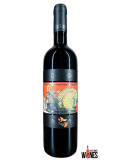
Japan is mainly known for its alcoholic beverages like sake and whiskey, but it also produces quality wines, although viticulture is relatively recent in the country.
Wine regions of Japan:
Yamanashi: Located west of Tokyo, this region is considered the heart of wine in Japan, notably thanks to Mount Fuji. The climate is conducive to the cultivation of grape varieties such as Koshu (native white grape), as well as Merlot, Cabernet Sauvignon, and Chardonnay.
Hokkaido: The island in northern Japan, cooler, where grape varieties like Pinot Noir and Chardonnay thrive. This region is developing rapidly and is beginning to produce interesting wines.
Nagano: Located in the mountains, the region benefits from high altitude and cooler temperatures. It mainly features grape varieties like Merlot, Cabernet Sauvignon, and Chardonnay.
The grape varieties used:
- Koshu: This is the native white grape of Japan, with a crisp acidity and subtle stone fruit aromas. It is often used to produce dry and refreshing wines.
- Muscat Bailey A: A Japanese hybrid grape that produces fruity and slightly sweet red wines, highly appreciated in Japan.
Japanese wines are still relatively rare on international markets, but they are gaining recognition, particularly with the rise in quality of wines from regions like Yamanashi.
Japanese Whiskeys
Japanese whiskeys are among the most renowned in the world, recognized for their finesse, balance, and very meticulous production process.
History and production: Whiskey production in Japan began in the early 20th century when Masataka Taketsuru, a Japanese who studied distillation in Scotland, introduced Scottish production techniques to his country. Today, Japan is one of the largest producers of quality whiskey in the world, with iconic brands like Yamazaki, Hakushu, Nikka, and Hibiki.
Japanese distilleries are often located in mountainous areas, where fresh air and pure water are essential elements in creating a refined whiskey. They use traditional distillation methods but also incorporate innovative elements and great attention to detail in aging and barrel selection.
Types of Japanese whiskeys:
Single Malt: Pure malt whiskey made in a single distillery, produced with local spring water and aged in various wooden casks (American oak, sherry, etc.). Brands like Yamazaki and Hakushu are famous examples.
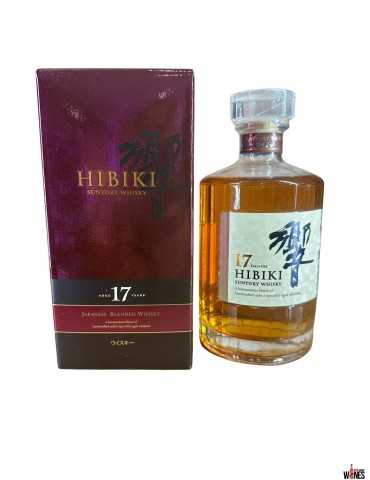
Blended Whiskey: A blend of different types of whiskeys, some young and others older, to create a harmonious and balanced product. The Hibiki brand is a prestigious example of Japanese blended whiskey.
Characteristics of Japanese whiskeys:
- Finesse and balance: Japanese whiskeys are often lighter and more refined than their Scottish counterparts. They are prized for their smoothness, complexity, and subtle aromas.
- Varied aging: Japanese whiskeys are often aged in a range of casks, including Japanese oak casks (Mizunara) that add a unique dimension to the flavors, with exotic wood and vanilla aromas.
- Craftsmanship and precision: Distillation and aging are carried out with great attention to detail, giving Japanese whiskey its reputation for excellence.
Japanese whiskeys have won numerous international awards, and brands like Yamazaki 18 years and Hibiki 21 years are considered icons in the world of spirits.