English
 Français

Whisky Buying Guide — Exploring Scotland’s Iconic Regions
As the birthplace of whisky, Scotland is renowned worldwide for its centuries-old expertise and the extraordinary diversity of its styles. With more than 90 active malt distilleries, each region has its own aromatic signature — from delicate floral notes to intensely peated, maritime expressions. Discover the five great regions of Scotch whisky and the essential tips for choosing the ideal bottle.
1. Lowlands — Lightness & Accessibility
- Aromatic profile: light, floral, grassy, gently sweet
- Style: perfect for beginners or as an aperitif
- Key distilleries: Auchentoshan, Glenkinchie
- Buying tip: choose a Lowland whisky for a delicate, easy-drinking style — also ideal in light cocktails.
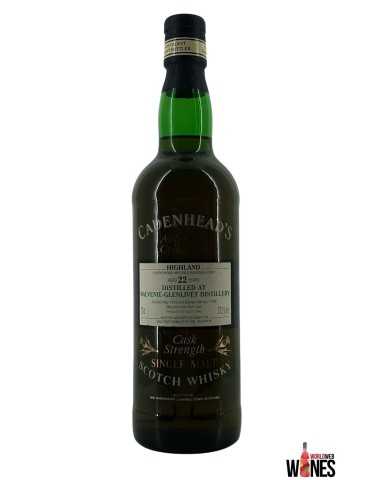
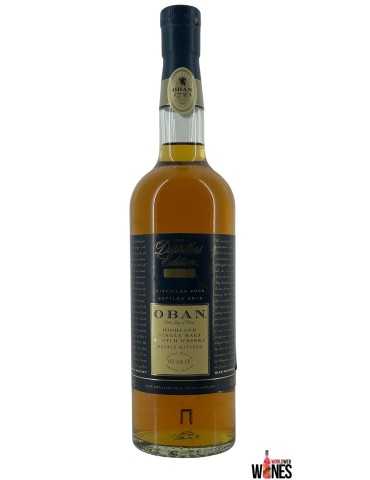
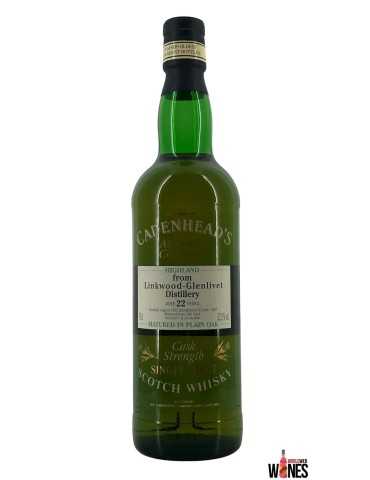
2. Highlands — Diversity & Balance
- Aromatic profile: floral, fruity, spicy, sometimes lightly smoky
- Style: balanced, elegant, with layered complexity
- Key distilleries: Glenmorangie, Dalmore, Oban
- Buying tip: ideal for those seeking versatile, refined whiskies. Glenmorangie is celebrated for its fruity, vanilla-laced profile.
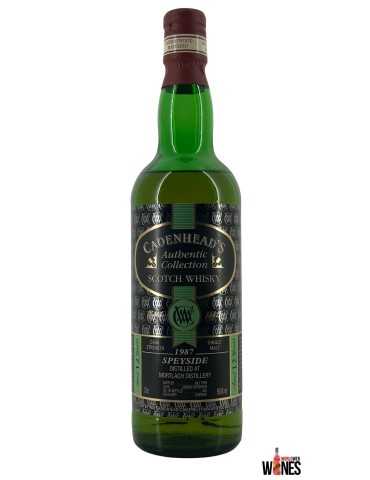
3. Speyside — Fruity Elegance & Aromatic Richness
- Aromatic profile: apple, pear, honey, vanilla, dried fruits (often sherry-cask matured)
- Style: round, refined, complex yet gentle
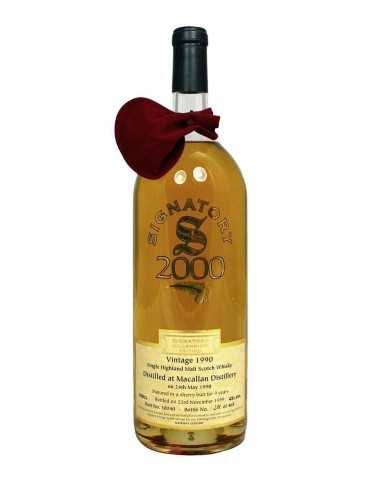
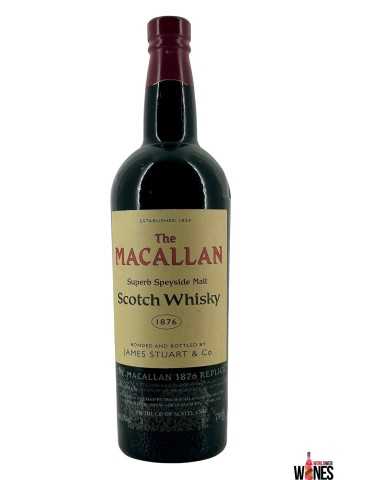
- Key distilleries: Glenfiddich, The Macallan, The Glenlivet, Aberlour
- Buying tip: perfect for elegant tastings or gifting; expect both richness and finesse.
4. Campbeltown — Character & Originality
- Aromatic profile: smoky, saline, lightly peated with a touch of sweetness
- Style: bold, distinctive
- Key distilleries: Springbank, Glen Scotia
- Buying tip: ideal if you seek complex, singular whiskies with a unique maritime edge.
5. Islay & Islands — Peat & Maritime Intensity
- Aromatic profile: intense peat, smoke, iodine, saline and medicinal notes
- Style: powerful, expressive, with a long, persistent finish
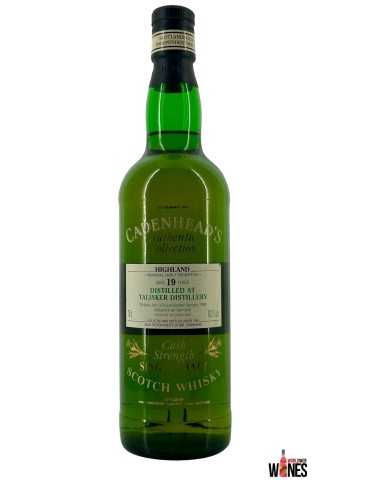
- Key distilleries: Laphroaig, Ardbeg, Lagavulin, Talisker
- Buying tip: a must for lovers of smoky, maritime styles; Laphroaig and Ardbeg are benchmarks of intensity.
Other Key Criteria for Choosing Your Whisky
Age
Between 12 and 18 years, a whisky typically gains complexity and smoothness. But age is not everything: the distillery style and the type of cask are decisive.
Cask Type
- Sherry cask — dried fruits, nuts, spice-rich profiles.
- Bourbon cask — vanilla, caramel, gentle spice.
- Wine or rum cask — more exotic, original expressions.
Peat & Aromatic Intensity
- Unpeated — ideal for beginners.
- Lightly peated — a gentle introduction.
- Heavily peated — for lovers of intense sensations.
Budget
- Entry level (CHF 30–50): excellent 12-year-olds
- Mid-range (CHF 50–150): premium selections and special editions
- High-end (CHF 150+): rare single malts and collector bottles
In Summary
- Lowlands — light and floral.
- Highlands — balanced and diverse.
- Speyside — fruity elegance.
- Campbeltown — distinctive character.
- Islay & Islands — peaty, maritime intensity.
Whether you’re a novice or a devoted enthusiast, Scotch whisky offers an exceptional aromatic palette. Each region tells its own story — shaped by climate, soils, and centuries-old distilling traditions.